
Smart Home Experience Design: Crafting Intuitive and Emotionally Intelligent Living Spaces
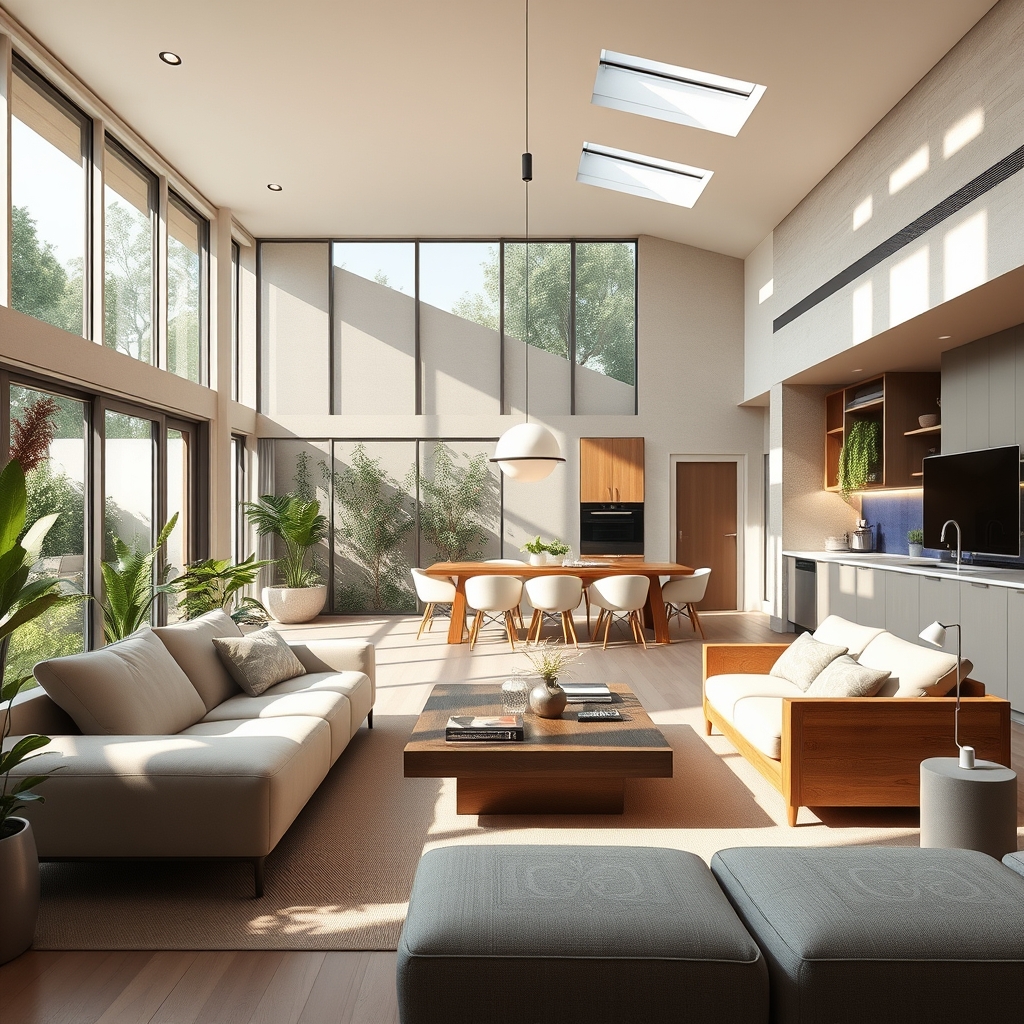
In an era where technology seamlessly integrates into every facet of our lives, the concept of home has evolved beyond mere shelter. Today, homes are dynamic ecosystems designed to anticipate needs, adapt to behaviors, and foster emotional well-being. Smart home experience design is at the forefront of this transformation, blending cutting-edge technology with human-centric principles to create living spaces that are not just intelligent, but intuitively responsive to the rhythms of daily life.
The Philosophy Behind Smart Home Experience Design
At its core, smart home experience design is about more than automation—it’s about creating environments that understand and respond to human emotions, preferences, and habits. Unlike traditional smart homes that rely on rigid programming, experience-driven design prioritizes fluidity, learning from occupants’ behaviors to refine interactions over time. For instance, a home might adjust lighting, temperature, and even ambient sound based on the time of day, the mood of its inhabitants, or their routine activities, all without explicit commands.
This approach is rooted in the principles of human-centric architecture, where technology serves as an enabler rather than a disruptor. The goal is to design systems that feel organic, almost invisible, yet profoundly impactful. Imagine walking into a room where the lighting subtly shifts to match the natural circadian rhythm, or a kitchen that suggests recipes based on dietary preferences and available ingredients—these are the hallmarks of a truly intuitive living space.
The Role of Adaptive Living Spaces
Adaptive living spaces are the backbone of smart home experience design. These environments are designed to evolve alongside their occupants, accommodating changes in lifestyle, family dynamics, or even emotional states. For example, a living room might transform from a cozy entertainment hub in the evening to a serene workspace by morning, with modular furniture, adjustable lighting, and soundscapes that adapt to the desired atmosphere.
Technology plays a pivotal role in this adaptability. Sensors embedded in walls, floors, or furniture can detect occupancy, movement, and even biometric data like heart rate or stress levels. This data is then processed by AI-driven systems to make real-time adjustments—dimming lights to reduce eye strain, playing calming music to alleviate stress, or even suggesting a change in room layout to improve focus. The result is a home that doesn’t just respond to commands but anticipates needs, creating a seamless and deeply personalized experience.
Emotionally Resonant Interiors: Designing for the Human Experience
While functionality is critical, smart home experience design also emphasizes emotional resonance. A home should not only be efficient but also evoke a sense of comfort, joy, and belonging. This is where emotionally resonant interiors come into play, blending aesthetics with technology to create spaces that feel alive and attuned to human emotions.
Color psychology, for instance, is a powerful tool in this regard. Smart lighting systems can dynamically adjust hues to influence mood—cool blues for relaxation, warm yellows for energy, or soft greens for focus. Similarly, scent diffusers can release aromas tailored to the time of day or the desired ambiance, from invigorating citrus in the morning to soothing lavender in the evening. These elements work in harmony to create an environment that nurtures emotional well-being.
Biophilic Design Integration: Bringing Nature Indoors
Another key aspect of emotionally resonant interiors is the integration of biophilic design. Studies have shown that exposure to natural elements—such as plants, water features, or natural light—can reduce stress, improve cognitive function, and enhance overall well-being. Smart homes can amplify these benefits by incorporating dynamic biophilic elements that respond to environmental conditions or occupant preferences.
For example, motorized skylights can open to let in fresh air and natural light, while indoor gardens with automated irrigation systems ensure plants thrive year-round. Some advanced systems even simulate natural sounds, like flowing water or birdsong, to create a multisensory connection to nature. By blurring the lines between indoor and outdoor spaces, smart homes foster a deeper sense of harmony and tranquility.
Interactive Interior Planning: Co-Creating with Technology
The process of designing a smart home is no longer a one-way conversation between architect and client. Interactive interior planning tools, powered by AI and digital twin interior modeling, allow homeowners to co-create their spaces in real time. These platforms enable users to visualize different layouts, materials, and technologies, making it easier to tailor every detail to their preferences.
For instance, augmented reality (AR) apps can overlay virtual furniture or decor onto a real-world space, helping homeowners experiment with different styles before making a commitment. Meanwhile, AI-driven design assistants can suggest layouts based on lifestyle needs, such as optimizing a home office for productivity or designing a nursery that grows with a child. This collaborative approach ensures that the final design is not only functional but also deeply personal.
Sustainable and Conscious Material Selection
Smart home experience design also prioritizes sustainability, recognizing that a truly intelligent home must be kind to both its occupants and the planet. Conscious material selection plays a crucial role in this, with designers opting for eco-friendly, non-toxic, and energy-efficient materials that reduce environmental impact without compromising on aesthetics or performance.
For example, smart homes might incorporate reclaimed wood, recycled metals, or low-VOC (volatile organic compound) paints to improve indoor air quality. Energy-efficient windows and insulation can minimize heating and cooling costs, while solar panels and smart grids ensure renewable energy use. These choices not only contribute to a healthier planet but also create a home that aligns with the values of its occupants.
The Future of Smart Home Experience Design
As technology continues to advance, the possibilities for smart home experience design are virtually limitless. Future innovations may include AI-driven systems that learn and adapt to emotional cues, such as detecting stress through voice tone or facial expressions and responding with calming environments. Wearable technology could sync with home systems to adjust settings based on real-time biometric data, creating a truly symbiotic relationship between human and home.
Moreover, the rise of flexible living solutions will enable homes to transform effortlessly to meet changing needs. Imagine a studio apartment that reconfigures itself from a workspace to a guest room with the touch of a button, or a kitchen that expands to accommodate a dinner party before reverting to its compact form. These adaptive spaces will redefine the concept of home, making it more dynamic and responsive than ever before.
The essence of smart home experience design lies in its ability to blend technology with humanity. It’s not about creating a home that feels like a machine but one that feels like a living, breathing extension of its occupants. By prioritizing intuition, emotion, and sustainability, these spaces transcend traditional notions of smart living, offering a glimpse into a future where homes are not just smart, but truly wise.



