
The Invisible Embrace: Crafting Homes That Nurture the Subtle Art of Living
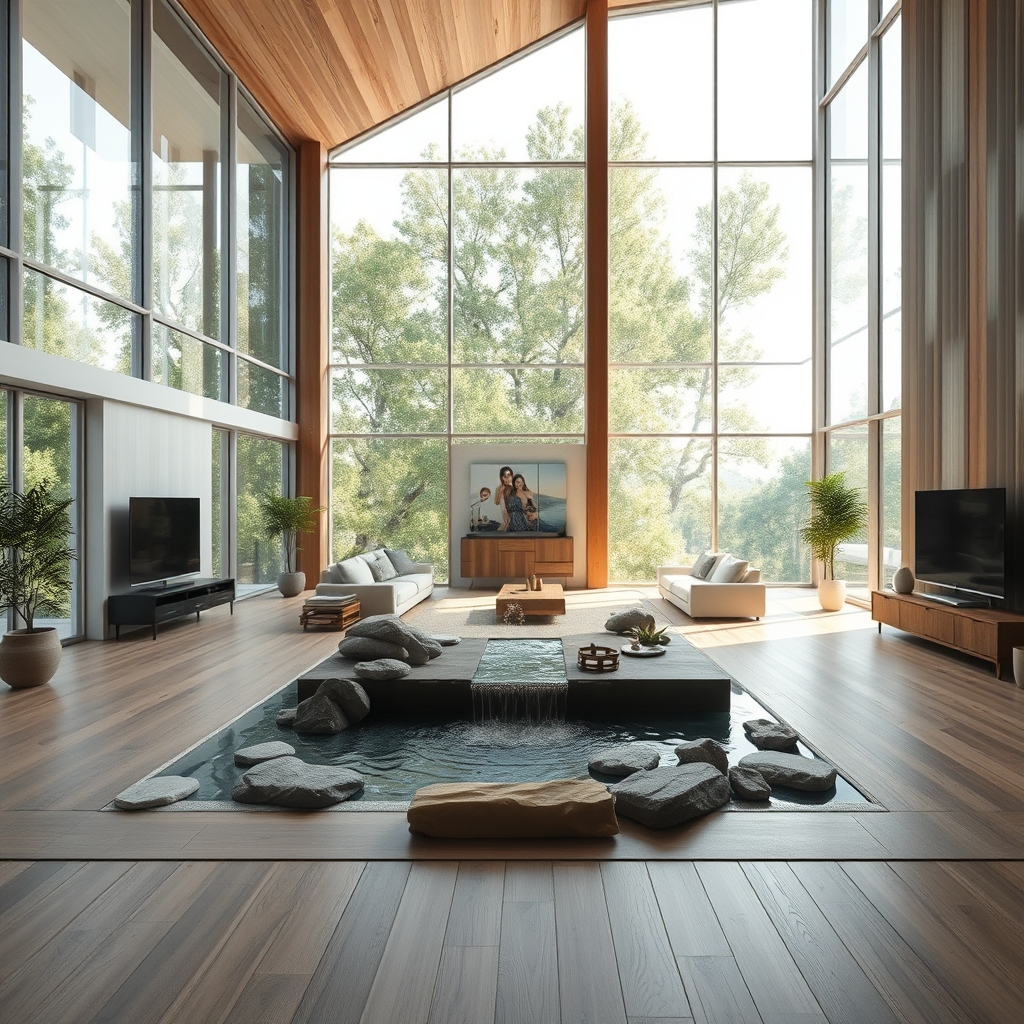
In the realm of architecture and design, there exists a subtle, yet profound art of creating spaces that resonate with the human experience. This art is not about grand gestures or flashy designs, but about the invisible threads that weave through our daily lives, shaping our interactions with the built environment. It is about crafting homes that harmonize with the mind, body, and soul, creating spaces that are not just functional, but emotionally resonant.
Immersive Spatial Design: A Journey Through the Senses
Immersive spatial design is a philosophy that goes beyond the visual appeal of a space. It is about creating environments that engage all the senses, from the sight and sound to the touch and smell. A well-designed space should feel like a journey, a place where every corner tells a story and every element invites exploration.
Sensory Interior Environments: The Foundation of Emotional Connection
At the heart of immersive spatial design lies the concept of sensory interior environments. These are spaces that are thoughtfully designed to evoke specific emotions and memories. From the soft glow of natural light streaming through large windows to the soothing sound of running water in a nearby fountain, every element is carefully chosen to create a sensory experience that is both comforting and inspiring.
Human-Centric Architecture: Designing for the Human Experience
Human-centric architecture is about placing the needs and desires of the inhabitants at the forefront of the design process. It is about creating spaces that adapt to the way people live, work, and play. This could mean designing a home office that doubles as a quiet retreat, or a living room that can be easily reconfigured to accommodate different activities.
Adaptive Living Spaces: The Dance of Human Emotion
Adaptive living spaces are designed to evolve with the inhabitants, their lifestyles, and their emotions. These are spaces that can be easily reconfigured to suit different needs and preferences. They could be as simple as a room that can be opened up to create a more spacious feel, or as complex as a home that can be completely transformed with the push of a button.
Biophilic Design Integration: Bringing Nature Indoors
Biophilic design integration is about bringing the outdoors in, creating spaces that are inspired by nature. This could mean incorporating natural materials like wood and stone, or adding elements like plants and water features that bring the beauty of the natural world indoors. These spaces are not just aesthetically pleasing, but they also have a profound impact on our well-being, helping us to feel more connected to the natural world.
Personalized Interior Concepts: Designing for Individuality
Personalized interior concepts are about creating spaces that reflect the unique personalities and lifestyles of the inhabitants. This could mean incorporating elements that are meaningful to the individual, like family photographs or pieces of art that hold personal significance. It could also mean designing spaces that cater to specific needs, like a home gym or a quiet reading nook.
Sustainable Home Styling: Designing for the Future
Sustainable home styling is about creating spaces that are not only beautiful and functional, but also environmentally responsible. This could mean using materials that are sustainable and eco-friendly, or designing spaces that are energy-efficient and promote a healthy indoor environment. These spaces are not just about the present, but about creating a legacy that will benefit future generations.
In the end, the art of creating spaces that resonate with the human experience is about more than just aesthetics. It is about creating environments that nurture our well-being, our creativity, and our sense of belonging. It is about crafting homes that are not just places to live, but places to thrive. In these spaces, the subtle art of living is not just possible, but inevitable.



