
The Living Alchemy: Crafting Homes That Harmonize Mind, Body, and Space
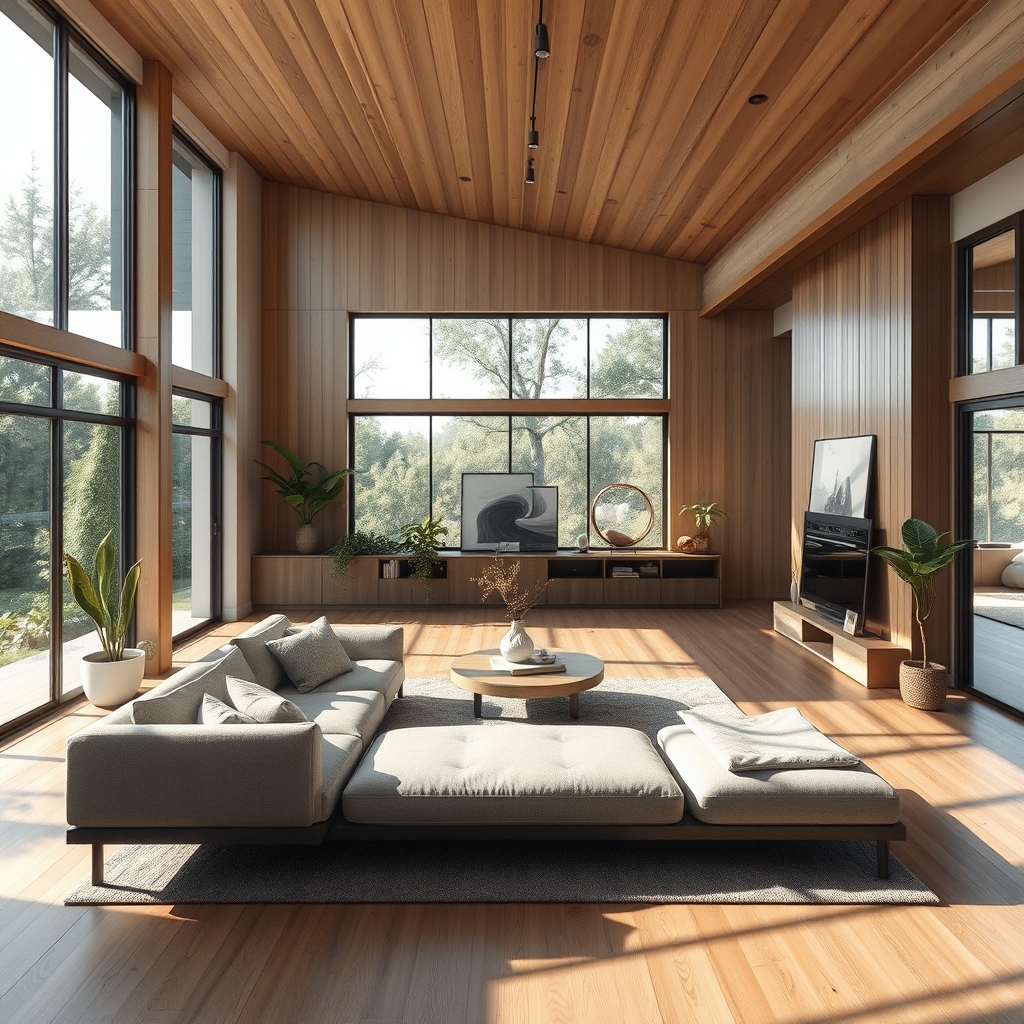
In the relentless pursuit of creating spaces that resonate with human experience, the concept of immersive spatial design has emerged as a beacon of innovation. This approach transcends traditional architecture, weaving together sensory, psychological, and emotional dimensions to craft environments that are not just functional but transformative. At the heart of this movement lies the belief that a home should be a living, breathing entity that evolves with its inhabitants, a sanctuary that nurtures the mind, body, and soul.
Sensory Interior Environments: The Foundation of Emotional Connection
Sensory interior environments serve as the cornerstone of immersive spatial design. These environments are meticulously crafted to engage the five senses—sight, sound, touch, smell, and taste—creating a multi-layered experience that fosters emotional resonance. For instance, the use of natural materials like wood and stone not only enhances tactile experiences but also connects inhabitants to the earth, evoking a sense of grounding and tranquility. Similarly, the strategic placement of artwork, lighting, and soundscapes can evoke specific emotions, transforming a room from a mere space into a sanctuary.
Human Centric Architecture: Designing for the Subconscious
Human-centric architecture is a philosophy that places the human experience at the forefront of design. This approach recognizes that our interactions with space are deeply influenced by subconscious perceptions. For example, the layout of a room can subtly influence our mood and behavior. A study by the University of California, Berkeley, found that open floor plans can increase feelings of connectedness, while cluttered spaces can evoke stress. By understanding these subconscious triggers, designers can create environments that promote well-being and productivity.
Adaptive Living Spaces: The Dance of Emotion and Function
Adaptive living spaces are designed to evolve with the needs and emotions of their inhabitants. These spaces utilize flexible layouts and smart technologies to create environments that can seamperfectly with the changing dynamics of a household. For instance, a living room that transforms into a home office with the touch of a button not only enhances functionality but also demonstrates a deep understanding of the inhabitants’ needs. This adaptability ensures that the space remains emotionally resonant, evolving with the family’s lifestyle and preferences.
Biophilic Design Integration: Connecting with Nature
Biophilic design integration is a key component of immersive spatial design, emphasizing the connection between humans and nature. This approach incorporates natural elements such as plants, water features, and natural light into the design of indoor spaces. Studies have shown that exposure to nature can reduce stress, improve mood, and enhance cognitive function. By integrating these elements, designers create environments that promote well-being and a sense of belonging. For example, a living room with large windows and indoor plants not only enhances the aesthetic appeal but also provides a direct connection to the outdoors, fostering a sense of tranquility and harmony.
Personalized Interior Concepts: Tailoring Spaces to Individual Needs
Personalized interior concepts are at the heart of immersive spatial design, recognizing that each individual has unique preferences and needs. This approach involves a collaborative process where designers work closely with clients to create spaces that reflect their personalities, lifestyles, and aspirations. For instance, a home office designed with a specific color scheme and layout that enhances productivity and creativity, or a bedroom with custom-built furniture that provides optimal support and comfort. By tailoring the design to individual needs, immersive spatial design ensures that the space is not only functional but also emotionally resonant.
Sustainable Home Styling: The Harmony of Aesthetics and Ethics
Sustainable home styling is a crucial aspect of immersive spatial design, focusing on the ethical and environmental impact of design choices. This approach emphasizes the use of eco-friendly materials, energy-efficient technologies, and sustainable practices. For example, the use of recycled materials, low-VOC paints, and energy-efficient appliances not only reduces the environmental footprint but also enhances the overall well-being of the inhabitants. By integrating sustainable practices, immersive spatial design creates environments that are both beautiful and ethical, promoting a sense of responsibility and connection to the planet.
In the realm of immersive spatial design, the alchemy of mind, body, and space comes to life in every carefully crafted detail. From sensory-rich environments that engage the senses to adaptive spaces that evolve with the inhabitants, each element is a brushstroke in the grand tapestry of human experience. By integrating biophilic design, personalized concepts, and sustainable practices, immersive spatial design transforms homes into sanctuaries that harmonize the physical, emotional, and psychological dimensions of living. In this symphony of design, every space becomes a living, breathing entity that resonates with the human spirit, creating environments that are not just homes but extensions of the self.



