
Co-Creative Design Processes: How Collaborative Interior Planning is Redefining Modern Homes
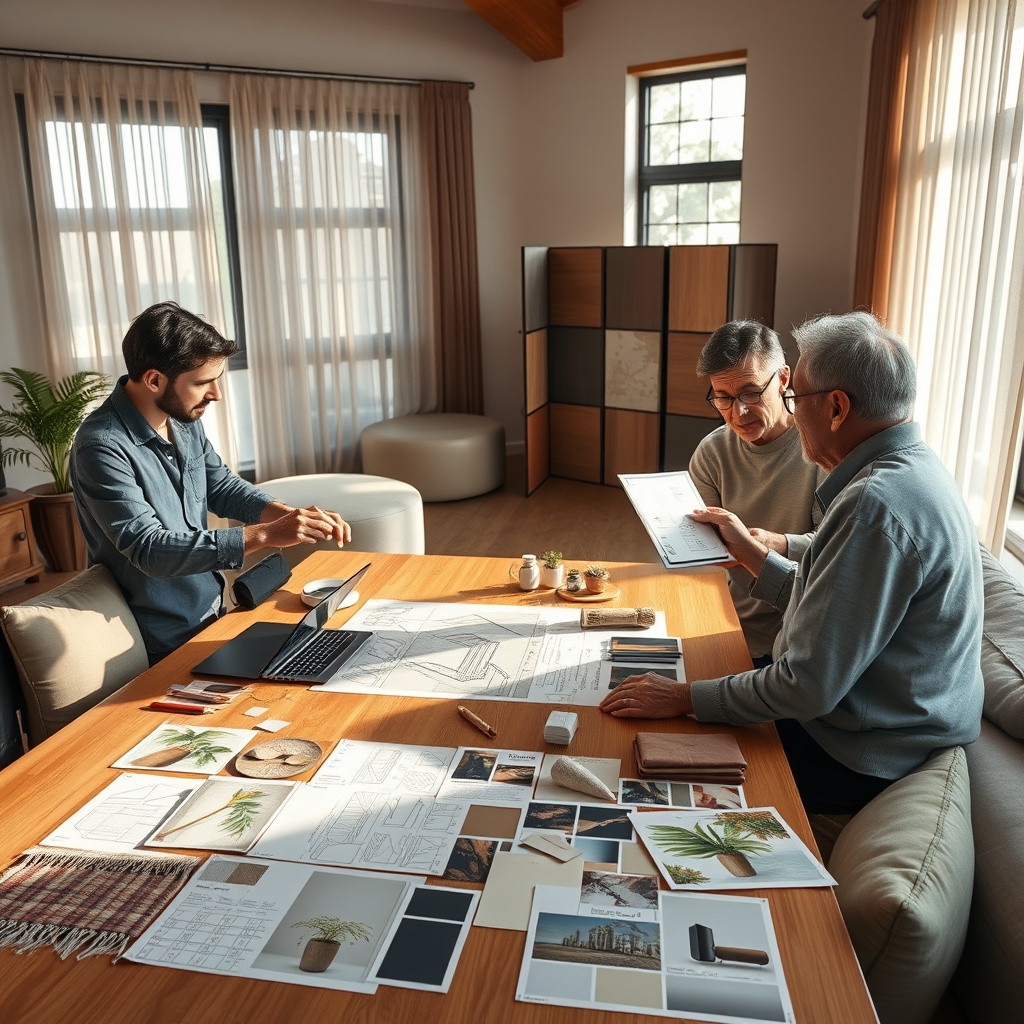
In an era where personalization is not just desired but expected, the traditional model of interior design—where a single designer dictates the vision—is rapidly evolving. Today’s homeowners are no longer passive recipients of design; they are active participants, co-creators in shaping spaces that reflect their unique identities, lifestyles, and aspirations. This shift toward co-creative design processes is transforming the way we conceptualize and inhabit our living environments, fostering deeper connections between people, their homes, and the professionals who help bring their visions to life.
The Rise of the Collaborative Home
The idea of collaboration in design is not entirely new, but its application in residential interiors has gained unprecedented momentum. What was once a top-down process—where designers presented clients with preconceived concepts—has now become a dynamic, iterative dialogue. This approach is rooted in the belief that the best spaces emerge from a fusion of professional expertise and personal insight. After all, no one understands the nuances of a household’s daily rhythms, emotional triggers, or aesthetic preferences better than the people who live there.
Co-creative design thrives on open communication, mutual trust, and shared decision-making. It begins with deep listening—designers ask probing questions not just about style preferences, but about how clients want to feel in their spaces. Do they seek a sanctuary of calm, a hub of creativity, or a social epicenter for gatherings? These emotional and psychological underpinnings become the foundation upon which the design is built. Tools like mood boards, 3D renderings, and even virtual reality walkthroughs allow clients to visualize and refine ideas in real time, ensuring that the final outcome aligns with their expectations and evolves alongside their feedback.
Technology as the Great Enabler
The digital revolution has been a game-changer for co-creative design. Platforms like interactive interior planning software and digital twin modeling have democratized the design process, making it more accessible and transparent. Clients can now experiment with layouts, materials, and color schemes from the comfort of their homes, tweaking elements until they resonate with their vision. This level of engagement was unimaginable a decade ago, when design revisions were often limited by time, budget, or the constraints of physical samples.
Moreover, technology has bridged the gap between imagination and reality. Augmented reality (AR) apps allow homeowners to overlay digital furniture or decor onto their existing spaces, providing a tangible sense of how a design will look and feel before any physical changes are made. This not only reduces the risk of costly mistakes but also empowers clients to take ownership of the process. When people see their ideas come to life in real time, they become more invested in the outcome, leading to greater satisfaction and a stronger sense of connection to their home.
The Human-Centric Advantage
At its core, co-creative design is about human-centric architecture—creating spaces that adapt to the people who use them, rather than forcing people to adapt to the space. This philosophy is particularly relevant in today’s fast-paced world, where homes must serve multiple functions: workspaces, gyms, entertainment hubs, and sanctuaries of relaxation. A rigid, one-size-fits-all approach simply doesn’t cut it anymore. Instead, designers and homeowners collaborate to craft adaptive living spaces that can evolve with changing needs, whether that means modular furniture, flexible room dividers, or multi-purpose layouts.
For example, a family with young children might prioritize durability and safety in their design choices, while a couple working from home may focus on ergonomic solutions and soundproofing. A co-creative process ensures that these functional requirements are balanced with aesthetic considerations, resulting in a home that is both beautiful and practical. It’s a holistic approach that considers not just the physical dimensions of a space, but its emotional and psychological impact as well.
Sustainability and Conscious Choices
Another key aspect of co-creative design is its alignment with sustainable home styling. When homeowners are actively involved in the design process, they are more likely to make conscious material selections that reflect their values. Whether it’s opting for reclaimed wood, low-VOC paints, or energy-efficient appliances, collaborative design encourages decisions that are not only stylish but also environmentally responsible. Designers, in turn, can educate clients about the long-term benefits of sustainable choices, from reduced carbon footprints to healthier indoor air quality.
This partnership extends to the sourcing of materials and furnishings. Clients who are passionate about supporting local artisans or ethical brands can work with designers to incorporate these elements into their homes. The result is a space that tells a story—one of craftsmanship, sustainability, and personal meaning. It’s a far cry from the generic, mass-produced interiors of the past, where individuality often took a backseat to trends.
The Emotional Resonance of Shared Creation
Perhaps the most profound impact of co-creative design is the emotional resonance it fosters. When people are actively involved in shaping their living environments, they develop a deeper sense of attachment and pride in their homes. These spaces become more than just physical structures; they become extensions of their identities, repositories of memories, and reflections of their journeys. A home designed through collaboration is one that truly feels like home—a place where every detail, from the layout to the lighting, has been thoughtfully considered and imbued with personal significance.
This emotional connection is particularly important in a world where many of us spend more time indoors than ever before. Our homes are no longer just places to eat and sleep; they are the backdrops to our lives, influencing our moods, productivity, and overall well-being. When design is a shared endeavor, it becomes a labor of love—a testament to the power of collaboration in creating spaces that nurture, inspire, and endure.
As the boundaries between designer and client continue to blur, the future of interior design lies in this symbiotic relationship. It’s a future where homes are not just designed for people, but with them—a future where every space is as unique as the individuals who inhabit it. The tools and technologies may evolve, but the essence of co-creative design remains the same: a celebration of human connection, creativity, and the transformative power of a space that truly feels like your own.



