
Human-Centric Architecture: Designing Adaptive Living Spaces for Emotional and Physical Well-Being
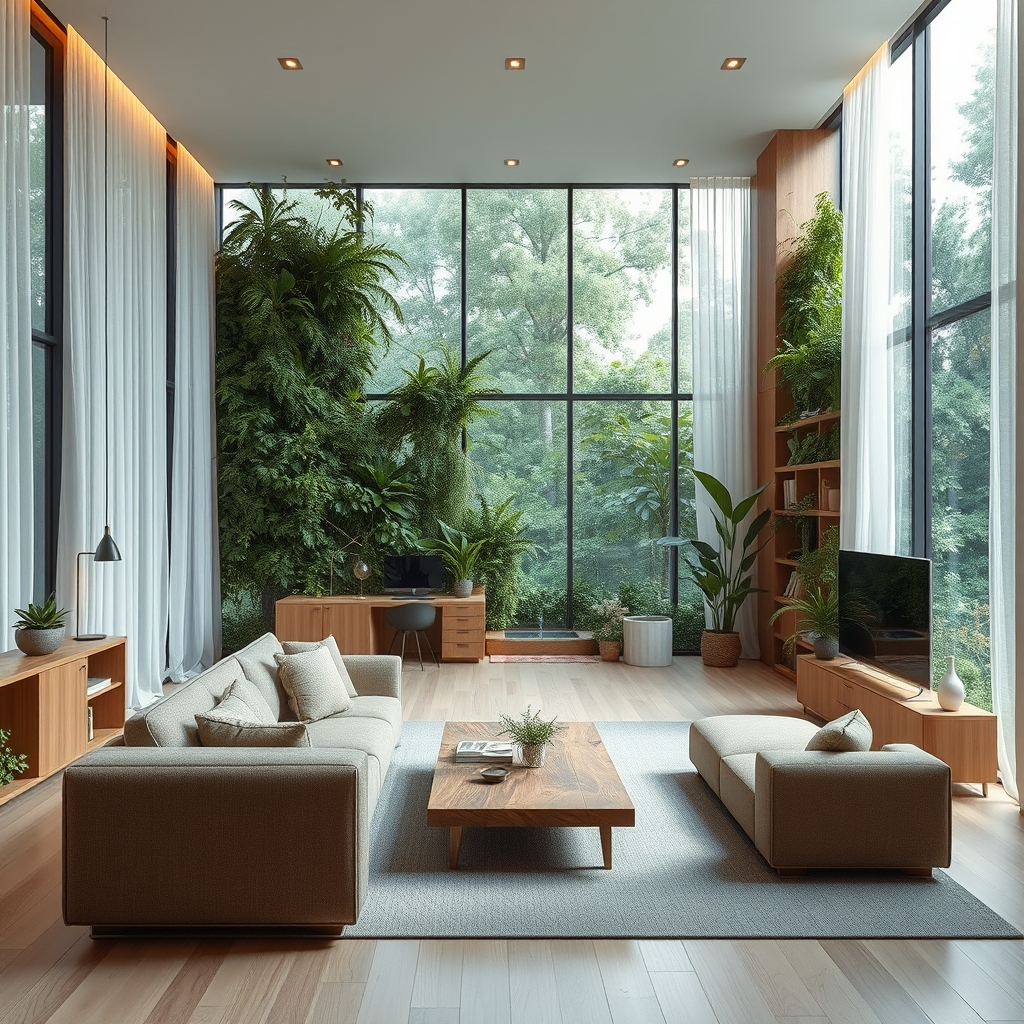
In an era where the boundaries between work, leisure, and personal growth increasingly blur, the spaces we inhabit must evolve to meet our dynamic needs. Human-centric architecture is not merely a trend but a fundamental shift in how we conceptualize living environments. It prioritizes the emotional, psychological, and physical well-being of occupants, transforming houses into sanctuaries that adapt, nurture, and inspire. At the heart of this movement lies the principle that spaces should serve people—not the other way around.
The Philosophy of Human-Centric Design
Human-centric architecture is rooted in empathy, placing the user’s experience at the forefront of the design process. Unlike traditional approaches that often prioritize aesthetics or functionality in isolation, this philosophy considers how every element—from layout to lighting, materials to acoustics—impacts the occupant’s mood, productivity, and overall quality of life. It acknowledges that we are not static beings; our needs fluctuate with the rhythms of daily life, seasons, and even emotional states. A well-designed space should anticipate these shifts and respond intuitively.
This approach is deeply intertwined with psychological space optimization, a concept that explores how spatial design influences cognitive function and emotional health. For instance, the strategic use of natural light can regulate circadian rhythms, while open layouts can foster connectivity and reduce feelings of isolation. Conversely, poorly designed spaces can contribute to stress, fatigue, and even conflict. Human-centric architecture seeks to mitigate these negative effects by creating environments that align with our innate preferences and behaviors.
Adaptive Living Spaces: Flexibility as a Core Principle
One of the most compelling aspects of human-centric architecture is its emphasis on adaptive living spaces. Modern lifestyles demand versatility—spaces that can seamlessly transition from a home office to a family gathering area, or from a quiet retreat to an entertainment hub. This adaptability is achieved through modular furniture, movable partitions, and multi-functional rooms that can be reconfigured with minimal effort. For example, a wall bed that folds into a desk during the day or a sliding panel that divides a large room into two smaller, private spaces exemplifies how design can accommodate changing needs without sacrificing style or comfort.
Technology plays a pivotal role in this adaptability. Smart home experience design integrates automation and artificial intelligence to create environments that learn and evolve alongside their occupants. Imagine a living room that adjusts its lighting, temperature, and even scent based on the time of day or the activities taking place. Or a kitchen that suggests recipes based on the ingredients available, while optimizing energy use for cooking. These innovations are not about gadgetry for its own sake but about enhancing the lived experience in subtle, meaningful ways.
Biophilic Design: Reconnecting with Nature
At the intersection of human-centric architecture and sustainability lies biophilic design integration, a practice that seeks to reconnect occupants with the natural world. Biophilic design is grounded in the idea that humans possess an innate affinity for nature, and that incorporating natural elements into built environments can reduce stress, improve cognitive function, and enhance overall well-being. This goes beyond simply adding plants to a room; it involves the use of natural materials like wood and stone, the integration of water features, and the maximization of natural light and views of the outdoors.
Research has shown that biophilic design can have tangible benefits. For instance, offices with natural elements have been linked to higher productivity and lower absenteeism, while hospitals with views of greenery have reported faster recovery times for patients. In residential spaces, biophilic design can create a sense of calm and tranquility, making homes feel like true retreats from the chaos of the outside world. The challenge lies in integrating these elements in a way that feels organic rather than forced, ensuring that nature is not just present but seamlessly woven into the fabric of the space.
Personalization and Co-Creative Design Processes
No two individuals are alike, and neither should their living spaces be. Personalized interior concepts recognize that a home should reflect the unique personality, values, and lifestyle of its occupants. This goes beyond choosing a color palette or furniture style; it involves a deep understanding of how people interact with their environment and tailoring the space to support those interactions. For example, a musician might need a soundproofed room for practice, while a remote worker might prioritize a dedicated, ergonomic workspace with ample natural light.
The rise of co-creative design processes has democratized this level of personalization. Rather than relying solely on an architect or designer to dictate the vision, occupants are increasingly involved in the creative process, collaborating with professionals to bring their ideas to life. This collaborative approach not only ensures that the final design aligns with the occupant’s needs but also fosters a deeper emotional connection to the space. Tools like digital twin interior modeling allow users to visualize and experiment with different layouts, materials, and configurations before making any physical changes, reducing the risk of costly mistakes and ensuring satisfaction with the end result.
Sustainability as a Foundation, Not an Afterthought
Human-centric architecture is inherently sustainable, as it prioritizes the long-term well-being of both occupants and the planet. Conscious material selection is a cornerstone of this approach, with designers opting for non-toxic, renewable, and locally sourced materials that minimize environmental impact. For example, bamboo, reclaimed wood, and recycled metals are not only eco-friendly but also add warmth and character to a space. Additionally, sustainable home styling extends beyond materials to include energy-efficient systems, water conservation measures, and designs that maximize natural ventilation and lighting.
The benefits of sustainable design are twofold. On one hand, it reduces the carbon footprint of a home, contributing to broader environmental goals. On the other, it creates healthier living environments by eliminating harmful chemicals and improving indoor air quality. For instance, low-VOC (volatile organic compound) paints and finishes can significantly reduce respiratory issues and allergies, while energy-efficient windows and insulation can lower utility bills and create a more comfortable indoor climate. When sustainability is integrated from the outset, it becomes an invisible yet powerful force that enhances the quality of life for occupants.
The Future of Human-Centric Architecture
As technology continues to advance, the possibilities for human-centric architecture are expanding. Interactive interior planning tools powered by virtual and augmented reality are making it easier for designers and occupants to collaborate in real-time, experimenting with different layouts and materials before committing to a final design. Meanwhile, advancements in wellness-focused home design are enabling spaces that actively promote health, such as circadian lighting systems that mimic the natural progression of daylight or air purification systems that monitor and adjust indoor air quality.
Yet, for all its innovation, the true measure of human-centric architecture lies in its ability to create spaces that feel deeply personal and emotionally resonant. It is not enough for a home to be functional or sustainable; it must also evoke a sense of belonging, comfort, and joy. The most successful designs are those that strike a balance between cutting-edge technology and timeless principles, creating environments that adapt to our needs while remaining rooted in the fundamental desire for connection, beauty, and meaning.
In a world that often feels fragmented and fast-paced, our homes should be the exception—a place where we can slow down, recharge, and be our truest selves. Human-centric architecture is not just about building better spaces; it’s about designing a better way of living, one that honors the complexity of human experience and the profound impact our surroundings have on our lives. The future of home design is not just smart or sustainable; it is deeply, unapologetically human.



