
Minimalist Lifestyle Design: Crafting Spaces That Embrace Simplicity and Intentionality
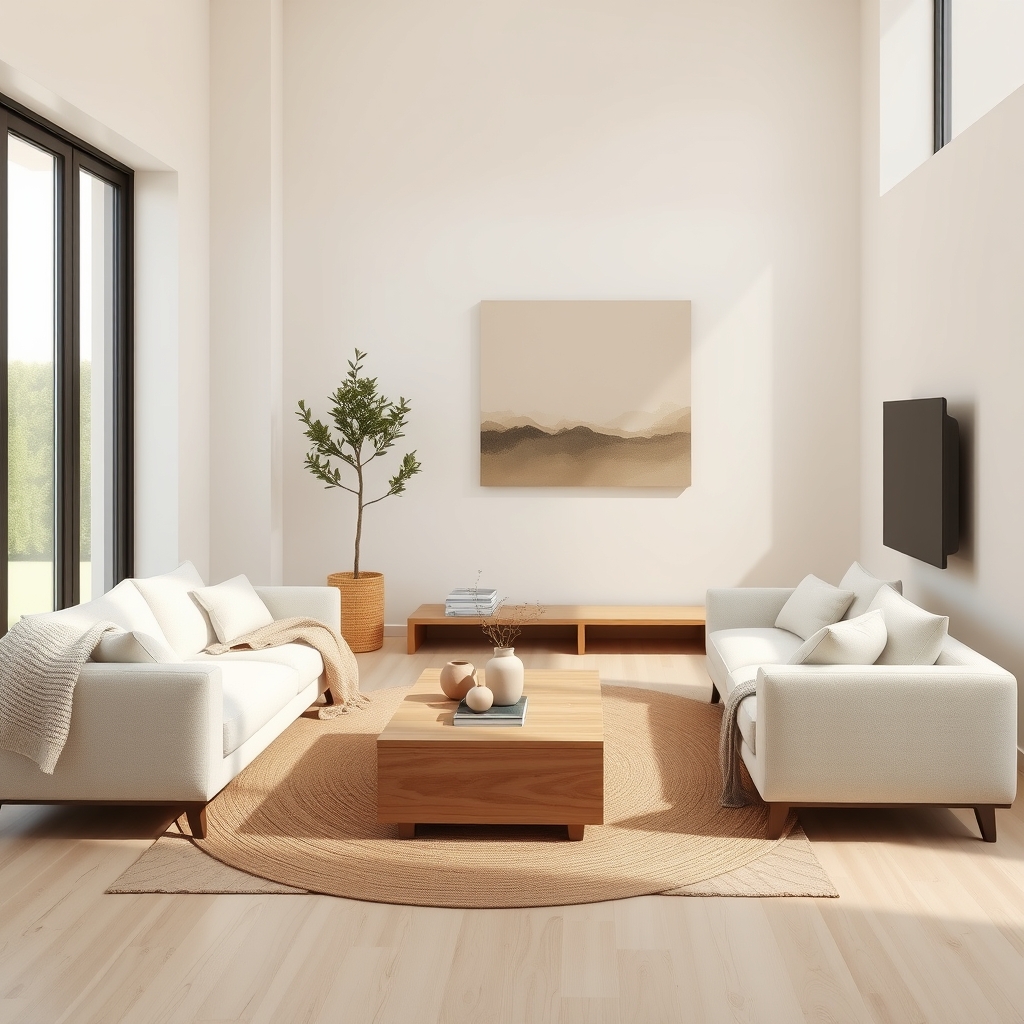
In a world where excess often feels like the default, minimalist lifestyle design offers a refreshing alternative—a way to create living spaces that prioritize meaning over clutter, function over frivolity, and tranquility over chaos. This approach to interior design is not just about reducing the number of objects in a room; it’s about curating an environment that aligns with your values, enhances your well-being, and fosters a sense of calm. Minimalist design is rooted in the philosophy that less can indeed be more, and when done thoughtfully, it transforms homes into sanctuaries of intentionality.
The Philosophy Behind Minimalist Lifestyle Design
At its core, minimalist lifestyle design is about stripping away the unnecessary to make room for what truly matters. This philosophy extends beyond aesthetics; it’s a mindset that encourages mindful consumption, purposeful living, and a deeper connection to one’s surroundings. The minimalist approach challenges the notion that happiness is tied to material possessions, instead emphasizing that a well-designed space should serve as a backdrop for life’s most meaningful experiences.
This design ethos is deeply intertwined with concepts like psychological space optimization and human-centric architecture. By eliminating visual noise and distractions, minimalist spaces allow the mind to relax and focus. The absence of clutter reduces cognitive overload, which can lead to improved mental clarity and reduced stress. In this way, minimalist design is not just about creating a visually appealing space—it’s about crafting an environment that supports emotional and psychological well-being.
Key Principles of Minimalist Interior Design
Minimalist design is often misunderstood as being cold, sterile, or devoid of personality. However, when executed with intention, it can be warm, inviting, and deeply personal. Here are some key principles that define minimalist lifestyle design:
1. Intentional Simplicity
Every element in a minimalist space should serve a purpose, whether functional or aesthetic. This principle encourages homeowners to question the necessity of each item in their home. Does it add value? Does it enhance the space? If the answer is no, it may be time to let it go. This process of intentional curation ensures that every object in the room contributes to the overall harmony of the space.
2. Neutral Color Palettes with Thoughtful Accents
Minimalist interiors often feature neutral color schemes—whites, beiges, grays, and soft earth tones—that create a sense of calm and cohesion. These palettes serve as a blank canvas, allowing the few carefully chosen decorative elements to stand out. Thoughtful accents, such as a single piece of artwork or a textured throw, can add depth and personality without overwhelming the space. The key is to use color sparingly and purposefully, ensuring that each hue enhances the room’s tranquility.
3. Functional Furniture with Clean Lines
Furniture in minimalist spaces is selected for its functionality and simplicity. Pieces with clean lines, uncluttered silhouettes, and multifunctional designs are favored. For example, a sleek sofa with hidden storage or a dining table that doubles as a workspace aligns with the minimalist ethos of maximizing utility while minimizing visual clutter. The goal is to create a space that feels open and unencumbered, where every piece of furniture serves a clear purpose.
4. Embracing Negative Space
Negative space—the empty areas between objects—is a fundamental element of minimalist design. Far from being wasted space, it plays a crucial role in creating a sense of balance and tranquility. Negative space allows the eye to rest and the mind to breathe, making the room feel more spacious and serene. In minimalist interiors, less is more, and the absence of objects can be just as powerful as their presence.
5. Thoughtful Material Selection
Minimalist design places a strong emphasis on conscious material selection, favoring natural, sustainable, and high-quality materials. Wood, stone, linen, and wool are often used to add warmth and texture to a space without introducing visual clutter. These materials not only enhance the aesthetic appeal of the room but also contribute to a sense of connection with nature, aligning with the principles of biophilic design integration. The tactile quality of these materials adds depth and richness to the space, making it feel more inviting and lived-in.
Minimalism as a Lifestyle Choice
Minimalist lifestyle design is not just about how a space looks; it’s about how it feels and how it supports the way you live. This approach encourages a shift in mindset—from accumulating more to appreciating what you already have. It’s about creating a home that reflects your values, whether that means prioritizing sustainability, fostering creativity, or simply enjoying the peace that comes with a clutter-free environment.
For many, minimalism is a response to the overwhelming pace of modern life. In a world filled with constant stimulation, minimalist spaces offer a retreat—a place to slow down, recharge, and reconnect with what truly matters. This lifestyle choice can extend beyond the home, influencing how you shop, how you spend your time, and even how you define success. By embracing minimalism, you’re not just designing a space; you’re designing a way of life.
Bringing Minimalist Design into Your Home
Adopting a minimalist lifestyle doesn’t mean you have to overhaul your home overnight. Instead, it’s a gradual process of editing, refining, and letting go of what no longer serves you. Start by decluttering one room at a time, asking yourself whether each item brings you joy or adds value to your life. Consider the principles of flexible living solutions—how can your space adapt to your needs without becoming overcrowded? For example, modular furniture or multi-functional pieces can help you maintain a minimalist aesthetic while ensuring your home remains practical and adaptable.
Lighting also plays a crucial role in minimalist design. Opt for layered lighting solutions that create warmth and depth without overwhelming the space. A combination of ambient, task, and accent lighting can enhance the room’s functionality while maintaining its serene atmosphere. Natural light is particularly important in minimalist interiors, as it amplifies the sense of openness and connection to the outdoors.
Finally, remember that minimalism is not about deprivation—it’s about intentionality. It’s okay to have a few cherished possessions or decorative elements that bring you joy. The key is to ensure that every item in your home has a purpose or a story, rather than simply taking up space. By curating your environment with care, you create a home that feels authentic, peaceful, and uniquely yours.
Minimalist lifestyle design is more than just a trend; it’s a timeless approach to creating spaces that nurture the soul. By embracing simplicity, intentionality, and mindful consumption, you can transform your home into a sanctuary that supports your well-being and reflects your true self. In a world that often feels chaotic and overwhelming, minimalism offers a path to clarity, calm, and contentment—one thoughtfully designed space at a time.



