
The Rise of Immersive Spatial Design: Crafting Homes That Engage All Five Senses
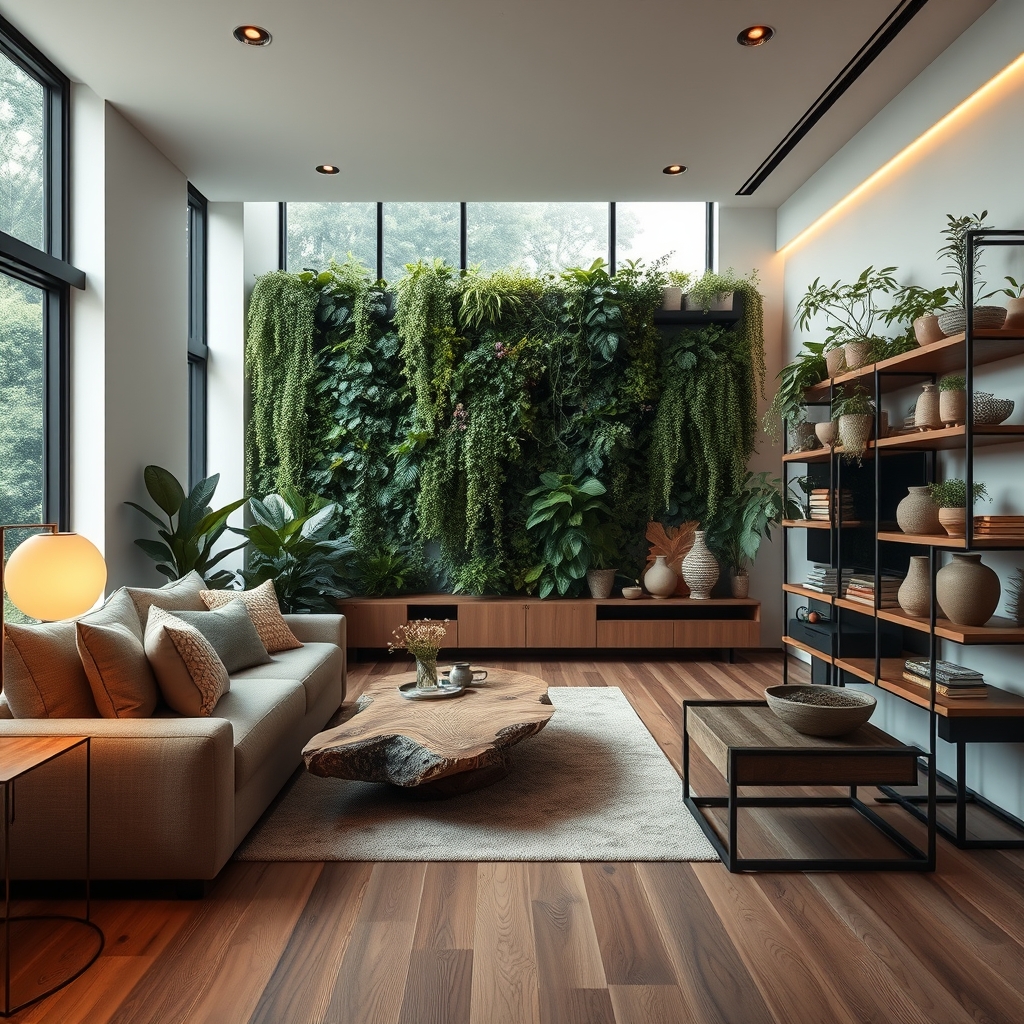
In an era where homes are no longer just shelters but extensions of our identities, immersive spatial design is emerging as a transformative force in modern architecture. This approach transcends traditional aesthetics, focusing on creating environments that engage all five senses—sight, sound, touch, smell, and even taste—to foster deeper emotional connections and well-being. By blending human-centric architecture with sensory interior environments, designers are redefining what it means to live in a space that truly resonates with its inhabitants.
The Foundations of Sensory Engagement
At the heart of immersive spatial design lies the principle of psychological space optimization. Unlike conventional design, which often prioritizes visual appeal alone, this methodology considers how every element of a room—from the texture of fabrics to the ambient soundscape—affects our mood and behavior. For instance, the strategic use of natural materials like wood and stone can evoke warmth and grounding, while carefully curated lighting can shift a space from energizing to calming in an instant.
Research in environmental psychology suggests that multisensory experiences can significantly enhance cognitive function and emotional well-being. A study published in the Journal of Environmental Psychology found that individuals in spaces with varied textures, scents, and sounds reported higher levels of creativity and relaxation. This insight is driving architects and interior designers to move beyond static layouts, instead crafting adaptive living spaces that evolve with the user’s needs.
Biophilic Design: Nature as a Co-Creator
One of the most compelling applications of immersive spatial design is biophilic design integration. By incorporating natural elements—such as indoor gardens, water features, or even simulated natural light cycles—designers can create environments that mimic the restorative qualities of the outdoors. The benefits are twofold: not only do these elements enhance aesthetic appeal, but they also improve air quality, reduce stress, and boost productivity.
Consider the work of architect Stefano Boeri, whose Vertical Forest projects in Milan and Nanjing integrate thousands of plants into high-rise buildings. These structures don’t just look stunning; they actively contribute to urban biodiversity and improve the mental health of residents. Similarly, in residential design, features like living walls or indoor herb gardens can transform a kitchen or living room into a dynamic, life-affirming space.
Personalization Through Technology
The rise of digital twin interior modeling and interactive interior planning tools is democratizing immersive design, allowing homeowners to co-create spaces that reflect their unique preferences. Platforms like Modsy and Havenly use AI to generate 3D renderings of rooms, enabling users to experiment with layouts, materials, and lighting before making any physical changes. This level of customization ensures that every design decision—from the scent of a candle to the acoustics of a room—aligns with the occupant’s sensory preferences.
Smart home systems are also playing a pivotal role in this evolution. Imagine a home where the lighting adjusts to your circadian rhythm, the temperature shifts based on your activity level, and the background music adapts to your mood. These smart home experience designs are no longer futuristic fantasies but tangible realities, thanks to advancements in IoT (Internet of Things) technology. Companies like Lutron and Philips Hue are leading the charge, offering systems that integrate seamlessly with immersive design principles.
Sustainability Meets Sensory Richness
A common misconception is that sensory-rich environments must come at the expense of sustainability. However, conscious material selection and sustainable home styling are proving that the two can coexist harmoniously. For example, reclaimed wood not only adds visual and tactile warmth to a space but also reduces the demand for virgin timber. Similarly, low-VOC (volatile organic compound) paints and natural fiber textiles can enhance indoor air quality while contributing to a room’s sensory profile.
Designers are also exploring innovative materials like mycelium-based composites and algae-infused fabrics, which offer unique textures and environmental benefits. These materials are not only biodegradable but also introduce novel sensory experiences—such as the earthy scent of mycelium or the subtle sheen of algae-based textiles—that elevate the design beyond the ordinary.
The Role of Cultural Narratives
Immersive spatial design is not a one-size-fits-all solution. Cultural narrative interiors recognize that sensory preferences are deeply influenced by personal and cultural backgrounds. For instance, a home designed for a Japanese family might prioritize minimalism and natural light, while a Mediterranean-inspired space might emphasize vibrant colors and tactile surfaces like terracotta and linen. By weaving these narratives into the design process, spaces become more than just functional—they become storytelling vessels that honor the occupant’s heritage and lifestyle.
This approach is particularly evident in hospitality design, where hotels and resorts use localized sensory elements to create memorable guest experiences. The Aman Tokyo, for example, blends traditional Japanese aesthetics with modern luxury, using materials like washi paper and hinoki wood to evoke a sense of tranquility and cultural authenticity. Such designs demonstrate how immersive spatial principles can be adapted to diverse contexts, from residential to commercial spaces.
The Future of Adaptive Living
As our lives become increasingly dynamic, the demand for flexible living solutions is growing. Immersive spatial design is rising to the challenge by creating environments that can adapt to changing needs—whether it’s a home office that transforms into a guest room or a living area that reconfigures for social gatherings. Modular furniture, movable partitions, and multi-functional layouts are just a few of the tools designers are using to craft spaces that evolve alongside their occupants.
Moreover, the integration of wellness-focused home design is ensuring that these adaptive spaces prioritize health and comfort. Features like circadian lighting, air purification systems, and ergonomic furniture are becoming standard in modern homes, reflecting a broader shift toward environments that nurture both body and mind. The result is a living space that doesn’t just look good but feels good—physically, emotionally, and psychologically.
In a world where our surroundings are increasingly digital and disconnected, immersive spatial design offers a powerful antidote. By engaging all five senses and adapting to our ever-changing lives, these environments remind us that home is not just a place we inhabit but a space that inhabits us. The future of design lies not in static beauty but in dynamic, sensory-rich experiences that make every moment at home feel like a masterpiece in the making.



