Wellness-Focused Home Design: Crafting Sanctuaries for Mind, Body, and Soul
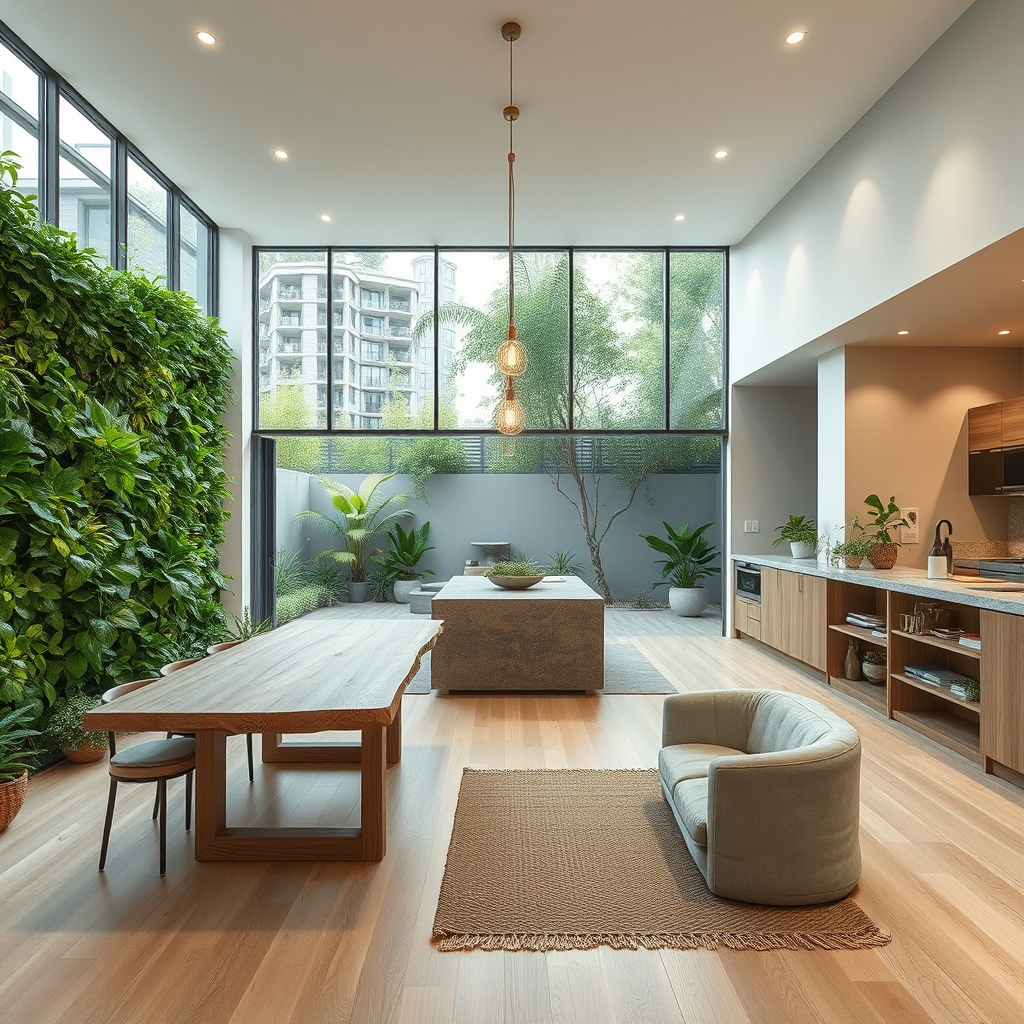
In an era where the boundaries between work, leisure, and personal well-being increasingly blur, our homes have evolved from mere shelters into sanctuaries that nurture every facet of our existence. Wellness-focused home design is not just a trend; it is a transformative approach that prioritizes the holistic health of inhabitants by integrating principles of psychology, biology, and sustainability. This philosophy goes beyond aesthetics, creating environments that actively contribute to mental clarity, physical vitality, and emotional balance. At its core, it is about designing spaces that do not just look beautiful but feel deeply restorative.
The Foundations of Wellness-Focused Design
Wellness-focused home design is built on a framework that addresses the interconnected needs of the human experience. It begins with human-centric architecture, where the layout, flow, and functionality of a space are tailored to the rhythms of daily life. Open floor plans, for instance, foster connectivity and movement, while designated quiet zones offer refuge for reflection or rest. The goal is to create a home that adapts to its inhabitants, not the other way around.
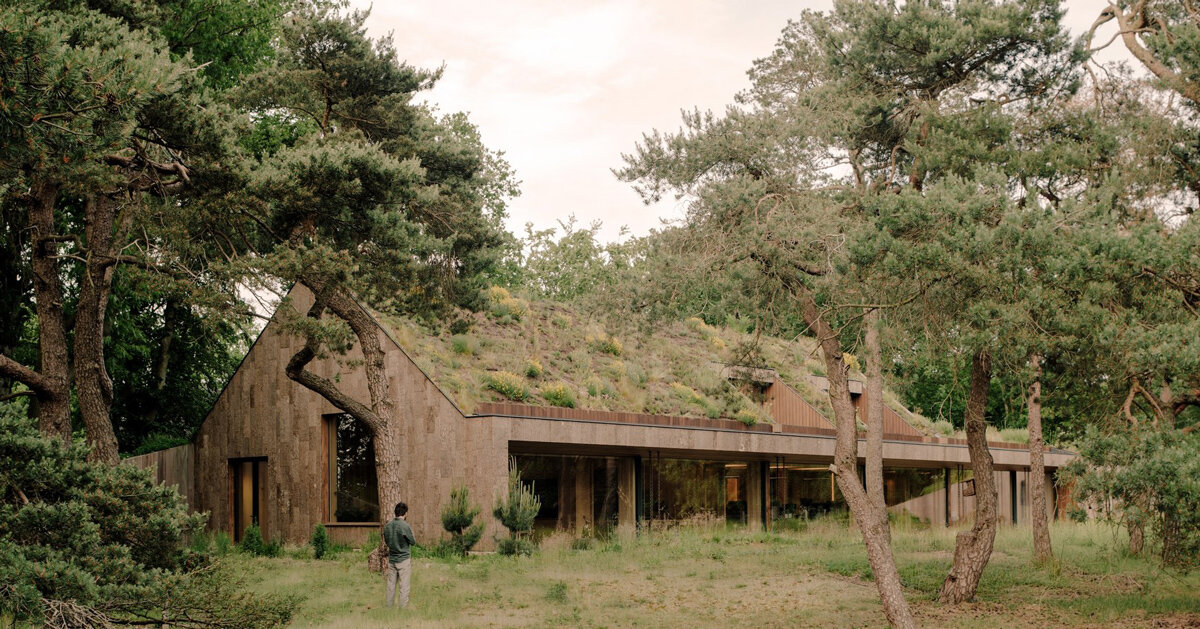
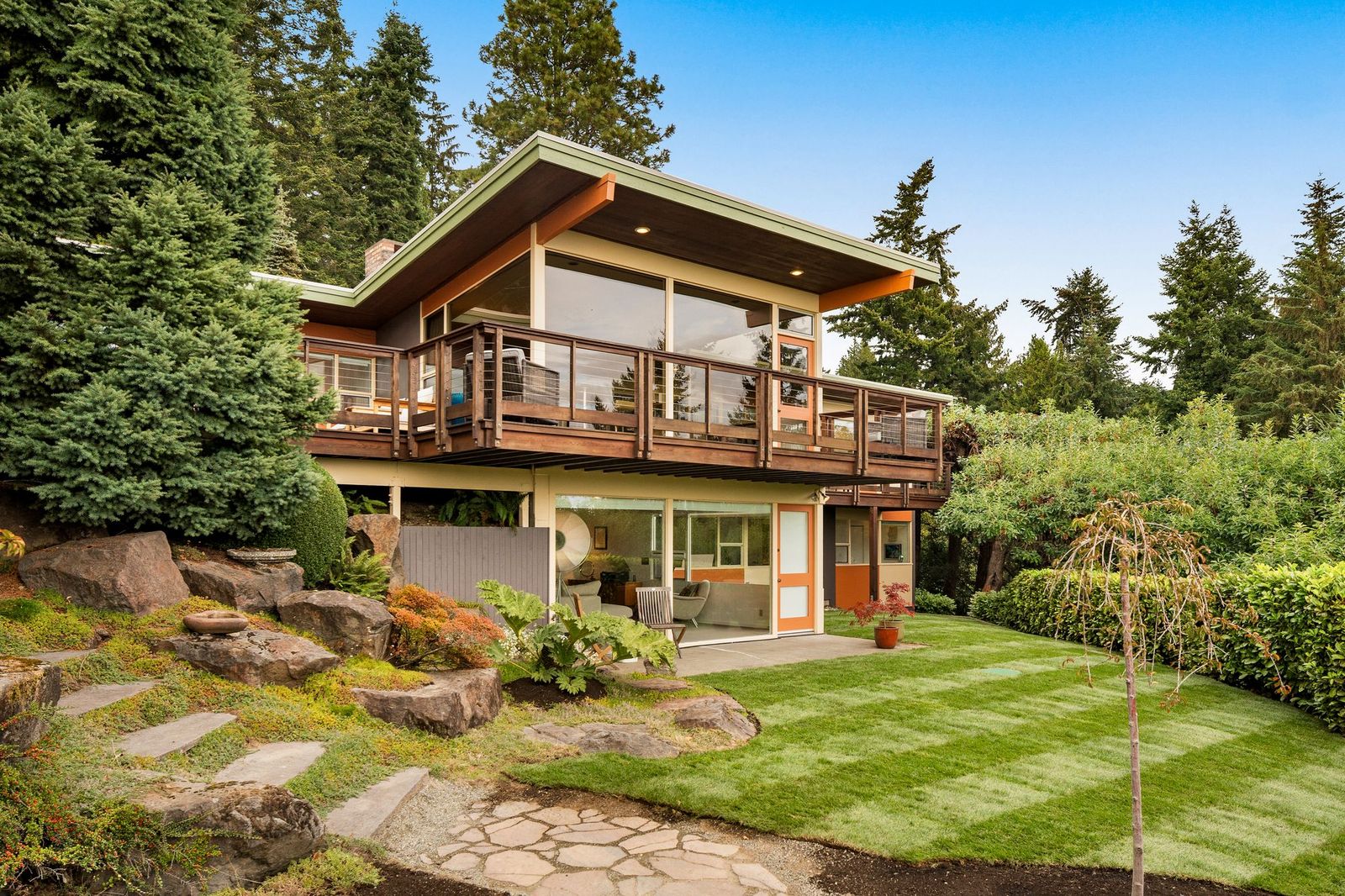
Another cornerstone is biophilic design integration, which seeks to reconnect people with nature. This can be achieved through the incorporation of natural materials like wood and stone, the use of organic shapes and patterns, or the strategic placement of indoor plants. Studies have shown that exposure to natural elements reduces stress, enhances cognitive function, and even accelerates healing. A wellness-focused home leverages these benefits by bringing the outdoors in, whether through large windows that frame a garden view or living walls that purify the air.
The Role of Sensory Engagement
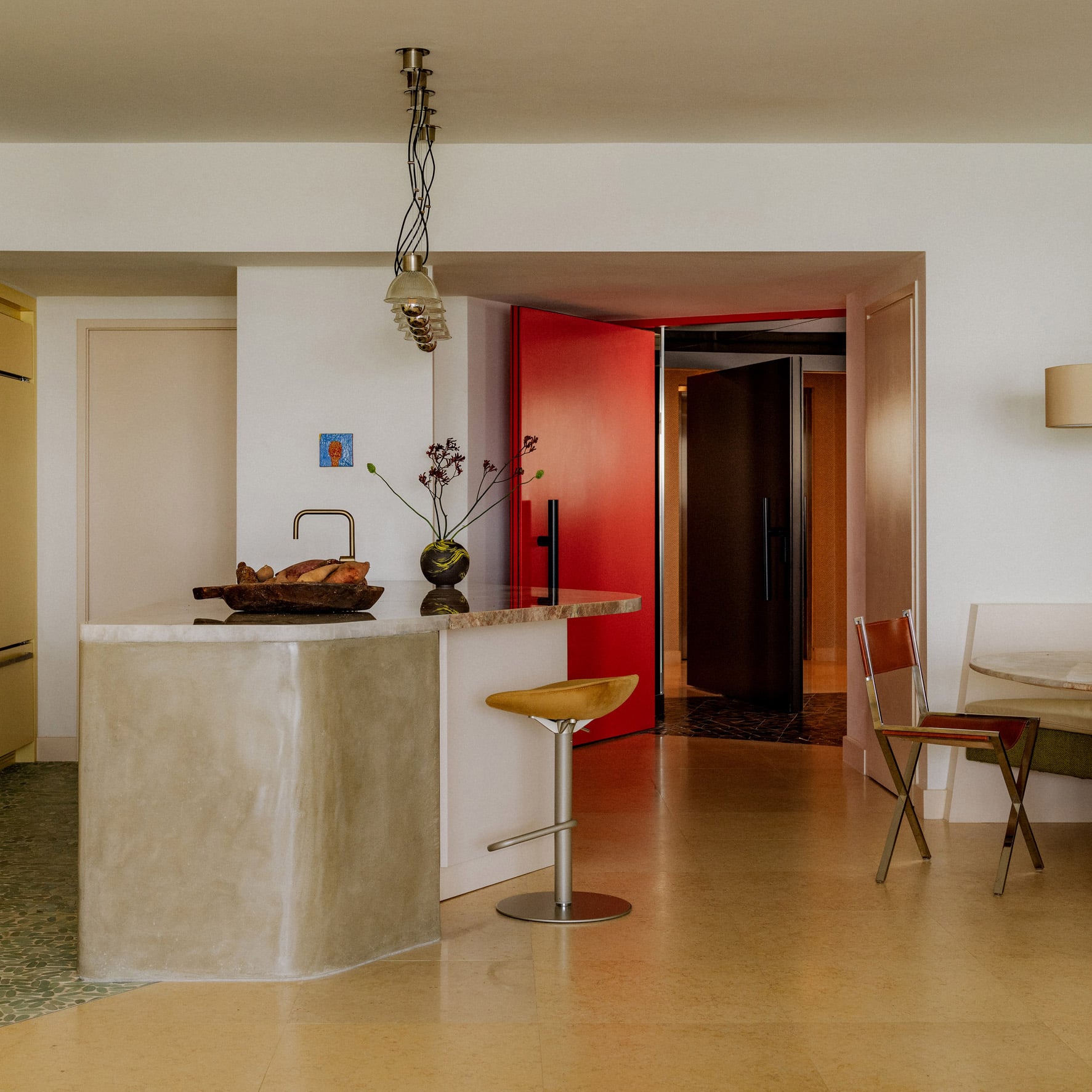
A truly wellness-focused home engages all five senses, creating an immersive spatial design that feels alive and dynamic. Lighting plays a pivotal role here, with layered illumination that adapts to the time of day and the mood of the occupants. Warm, dimmable lights in the evening signal the body to wind down, while bright, natural light during the day boosts energy and productivity. Similarly, the tactile experience of a space—from the softness of a rug underfoot to the smoothness of a wooden countertop—can evoke a sense of comfort and grounding.
Sound is another often-overlooked element of sensory design. Acoustic treatments, such as textured wall panels or sound-absorbing fabrics, can minimize noise pollution and create a serene atmosphere. For those who crave a more intentional auditory experience, integrated sound systems can deliver calming nature sounds or personalized playlists that enhance relaxation or focus. Even scent can be harnessed to elevate well-being, with diffusers or natural aromas like lavender or eucalyptus creating an olfactory backdrop that soothes the mind.
Personalization and Adaptive Living
No two individuals experience wellness in the same way, which is why personalized interior concepts are essential to this design philosophy. A wellness-focused home is not a one-size-fits-all solution but a bespoke environment that reflects the unique needs and preferences of its occupants. This might mean designing a home gym for one person, a meditation nook for another, or a flexible workspace that can double as a creative studio. The key is to create spaces that evolve alongside their inhabitants, accommodating changing lifestyles and priorities.
Adaptive living spaces take this idea further by incorporating modular furniture, movable partitions, and multi-functional rooms. A guest bedroom, for example, might transform into a yoga studio or a home office with minimal effort. This flexibility ensures that the home remains a source of comfort and functionality, no matter how life unfolds. Smart home technology can also play a role, with systems that adjust lighting, temperature, and even air quality based on the time of day or the presence of occupants.
Sustainability as a Pillar of Wellness
Wellness-focused design is inherently tied to sustainability, as the health of our homes is inextricably linked to the health of the planet. Conscious material selection is a critical aspect of this, with a focus on non-toxic, eco-friendly materials that do not off-gas harmful chemicals or contribute to indoor air pollution. Natural fibers like organic cotton, linen, and wool are not only sustainable but also breathable and hypoallergenic, making them ideal for bedding, upholstery, and window treatments.
Energy efficiency is another key consideration, with passive design strategies like solar orientation, high-performance insulation, and energy-efficient appliances reducing the home’s environmental footprint while enhancing comfort. Water conservation measures, such as low-flow fixtures and greywater recycling systems, further contribute to a sustainable and wellness-focused home. By prioritizing these elements, homeowners can create spaces that are not only good for their well-being but also for the planet.
The Future of Wellness-Focused Design
As technology continues to advance, the possibilities for wellness-focused home design are expanding. Digital twin interior modeling, for instance, allows homeowners to create virtual replicas of their spaces, testing different layouts, materials, and lighting scenarios before making any physical changes. This level of precision ensures that every design decision is informed and intentional, maximizing the home’s potential to support well-being.
Emerging trends like interactive interior planning are also making it easier for homeowners to co-create their spaces with designers, using augmented reality to visualize changes in real time. This collaborative approach ensures that the final design is a true reflection of the occupants’ needs and desires, fostering a deeper connection to the space. Meanwhile, advancements in smart home technology are making it possible to monitor and optimize indoor air quality, humidity levels, and even circadian lighting, all of which contribute to a healthier living environment.
Wellness-focused home design is more than a passing trend; it is a movement that recognizes the profound impact our surroundings have on our well-being. By creating spaces that engage the senses, adapt to our needs, and prioritize sustainability, we can transform our homes into sanctuaries that nurture the mind, body, and soul. In a world that often feels chaotic and demanding, these environments offer a refuge—a place where we can recharge, reconnect, and thrive. As we continue to explore the intersection of design and wellness, one thing is clear: the future of home design lies in crafting spaces that do not just shelter us but truly support and inspire us in every aspect of our lives.