
The Symphony of Space: Crafting Interactive Interiors That Respond to Human Emotion
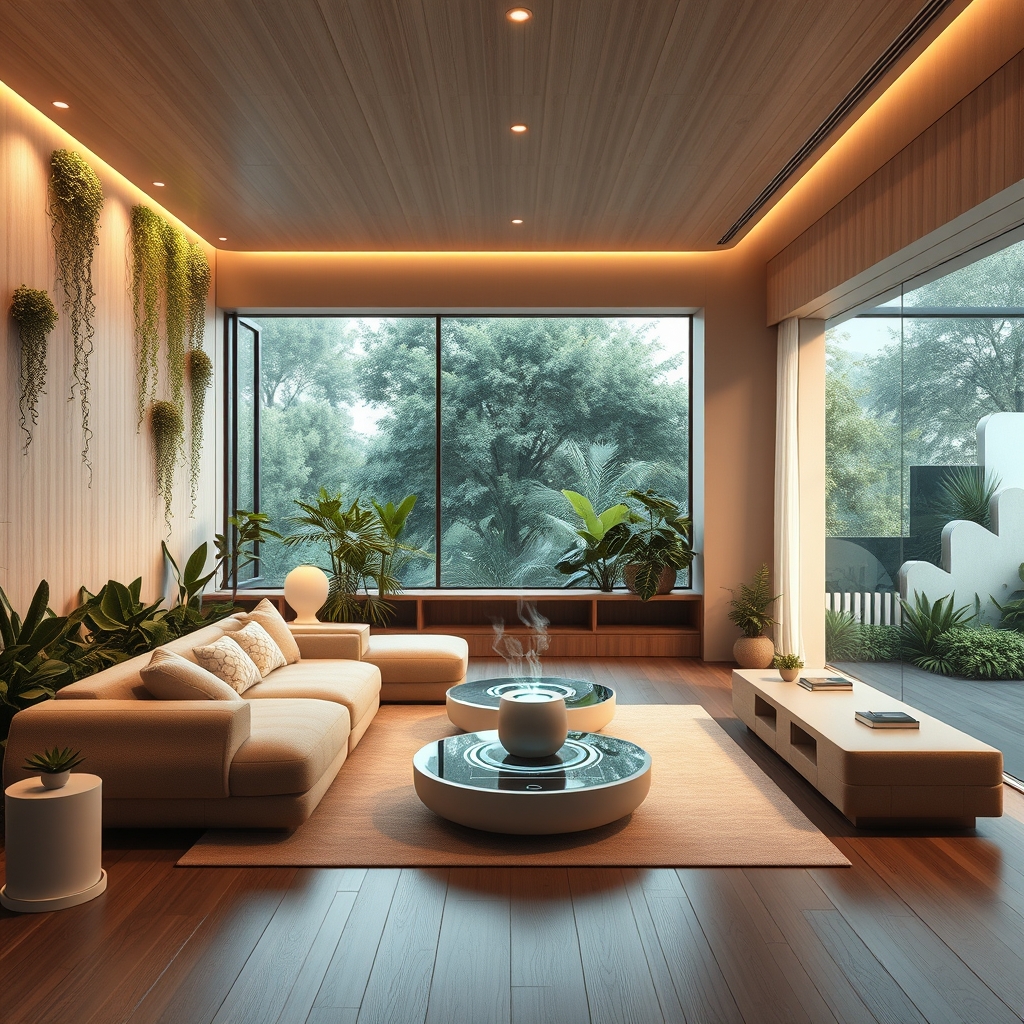
Imagine walking into a room that doesn’t just accommodate you but understands you—adjusting its ambiance, layout, and even its scent to mirror your mood, needs, and rhythms. This is no longer the stuff of science fiction. It’s the frontier of interactive interior planning, where spaces are no longer static backdrops but dynamic participants in our daily lives. By blending human-centric architecture with cutting-edge technology, designers are crafting environments that don’t just house us but converse with us, evolving in real-time to foster well-being, creativity, and connection.
The Rise of Emotionally Responsive Environments
At the heart of interactive interior planning lies the principle of emotional resonance. Spaces that respond to human emotion are designed to detect subtle cues—whether it’s a shift in heart rate, a change in posture, or even the tone of a voice—and adapt accordingly. For instance, a living room might soften its lighting and play calming frequencies if it senses stress, or a home office could adjust its temperature and airflow to boost focus during a creative slump. These adaptations are made possible through the integration of biometric sensors, AI-driven analytics, and adaptive lighting and sound systems, all working in harmony to create an environment that feels almost alive.
This level of responsiveness isn’t just about comfort; it’s about deepening the relationship between people and their spaces. When a home or workspace anticipates needs before they’re consciously recognized, it fosters a sense of being truly seen and supported. It transforms the built environment from a passive container into an active collaborator in our well-being, blurring the line between architecture and empathy.
Designing for the Senses: A Multi-Dimensional Approach
Interactive interiors engage more than just the visual sense. They are designed to create sensory interior environments that envelop occupants in a carefully curated symphony of stimuli. Consider the role of scent in shaping mood—diffusers that release invigorating citrus notes in the morning or soothing lavender in the evening can subtly guide the rhythm of a day. Or think about the tactile experience of a space: surfaces that shift texture, from smooth to slightly textured, to provide sensory feedback that grounds or stimulates, depending on the need.
Sound, too, plays a pivotal role. Acoustic design in interactive spaces goes beyond noise reduction; it involves the strategic use of soundscapes—whether it’s the gentle hum of nature, the rhythmic pulse of ambient music, or even silence—to influence emotional states. When combined with dynamic lighting that mimics natural circadian rhythms, these elements create a holistic experience that aligns the body and mind with the environment. The result is a space that doesn’t just look beautiful but feels alive, responsive, and deeply personal.
The Role of Digital Twins in Personalization
One of the most revolutionary tools in interactive interior planning is digital twin interior modeling. A digital twin is a virtual replica of a physical space, complete with real-time data on how it’s being used. This technology allows designers and occupants to experiment with layouts, materials, and sensory elements before any physical changes are made. For example, a homeowner could use a digital twin to test how different color palettes, furniture arrangements, or lighting schemes affect their mood and productivity, all within a simulated environment.
Digital twins also enable spaces to learn and adapt over time. By analyzing patterns in how a space is used—such as which areas are frequented most, or how lighting preferences shift with the seasons—the system can make autonomous adjustments to optimize comfort and functionality. This level of personalization ensures that a space evolves alongside its occupants, reflecting their changing lifestyles, tastes, and emotional needs without requiring constant manual intervention.
Co-Creation: The Human Touch in a Tech-Driven World
While technology is a powerful enabler of interactive interiors, the most successful designs are those that prioritize co-creative design processes. This approach involves occupants in the design journey, ensuring that the space reflects their unique identities, values, and aspirations. Whether through workshops, surveys, or immersive design sessions, co-creation fosters a sense of ownership and emotional investment in the space, making it feel truly bespoke.
For instance, a family might collaborate with designers to create a living room that adapts to different activities—whether it’s movie night, a quiet reading session, or a lively gathering with friends. By involving the end-users in the decision-making process, the space becomes a living entity that grows and changes with them, rather than a fixed structure imposed upon them. This human-centric approach ensures that technology serves as a tool for empowerment, not a replacement for personal connection.
Sustainability and Conscious Material Selection
Interactive interiors are not just about high-tech gadgets; they are also deeply rooted in sustainable home styling and conscious material selection. The materials chosen for these spaces must not only be aesthetically pleasing and functional but also ethically sourced, durable, and environmentally responsible. For example, smart materials like self-healing surfaces, phase-changing walls that regulate temperature, or biodegradable textiles can enhance both the interactivity and sustainability of a space.
Moreover, the integration of biophilic design—bringing elements of nature indoors—can amplify the emotional and sensory benefits of interactive interiors. Natural materials like wood, stone, and bamboo not only reduce the carbon footprint of a space but also create a tactile and visual connection to the natural world, which has been shown to reduce stress and enhance cognitive function. When combined with adaptive technology, these elements create a space that is not only responsive but also nurturing and restorative.
The Future of Living: Spaces That Grow With You
The ultimate goal of interactive interior planning is to create adaptive living spaces that evolve alongside their occupants. These are not just homes or workplaces but living ecosystems that support every facet of human life—physical, emotional, and psychological. As technology continues to advance, the possibilities for interactive interiors will expand, from AI-driven furniture that reconfigures itself to meet changing needs, to walls that display art or information based on the occupant’s preferences.
Yet, amidst all this innovation, the most important element remains the human experience. The true magic of interactive interiors lies not in the technology itself, but in how it enhances our connection to the spaces we inhabit. When a room can sense your fatigue and respond with warmth, or when a workspace can detect your creative block and shift to inspire you, the boundary between the built environment and the human spirit begins to dissolve. In this future, our spaces don’t just shelter us—they understand us, uplift us, and grow with us, creating a symphony of interaction that resonates with the deepest parts of who we are.



