
The Invisible Thread: How Conscious Material Selection Weaves Emotion and Sustainability into Home Design
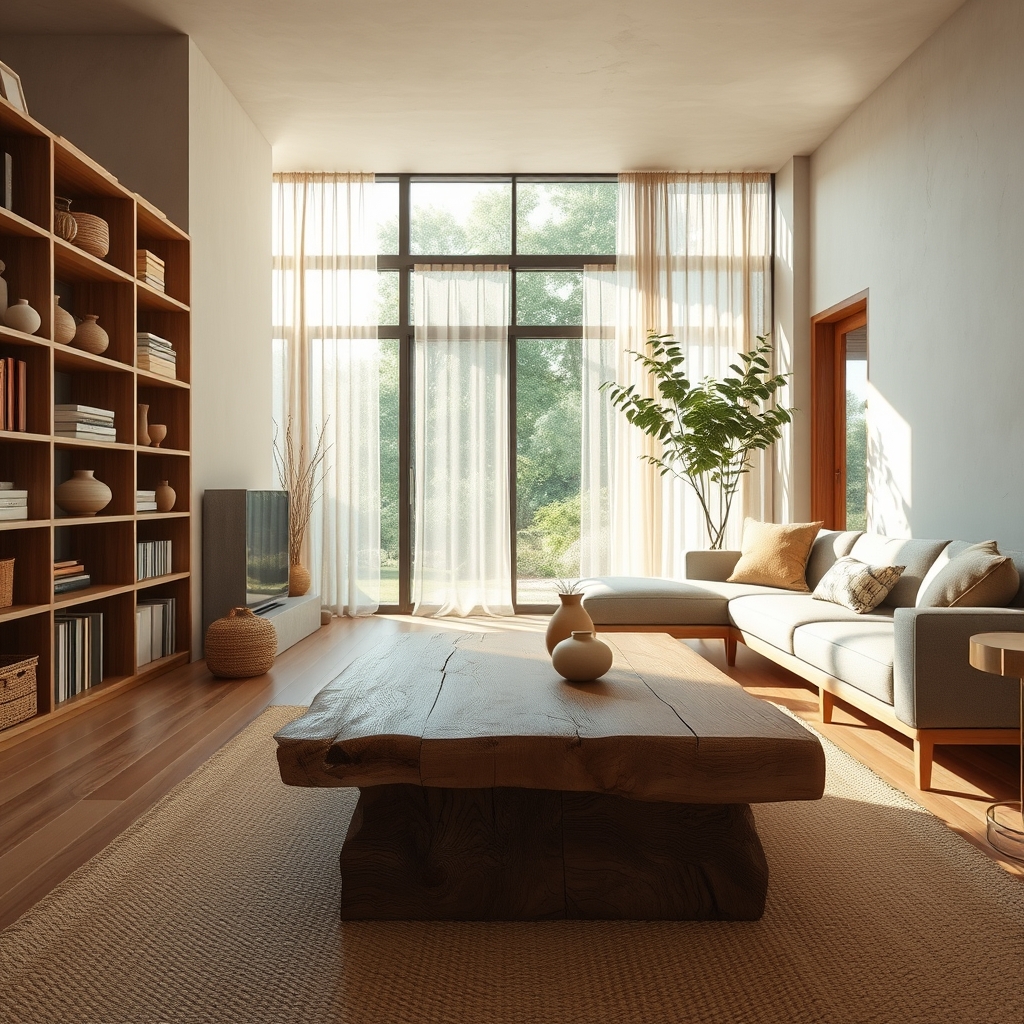
Every surface we touch, every texture we brush against, and every scent that lingers in the air contributes to the silent dialogue between a home and its inhabitants. The materials we choose for our living spaces do more than define aesthetics—they shape experiences, influence emotions, and determine the environmental footprint of our daily lives. In an era where design is increasingly human-centric, the selection of materials has evolved from a purely functional or decorative decision into a deeply intentional act—one that balances sensory richness, emotional resonance, and ecological responsibility.
The Sensory Alchemy of Materiality
Materials are the unsung storytellers of interior design. The cool smoothness of marble underfoot, the warm grain of reclaimed wood beneath fingertips, or the soft embrace of organic linen against skin—these tactile encounters create a subconscious rhythm that anchors us to our surroundings. Research in environmental psychology suggests that sensory engagement with natural materials can lower stress levels, enhance cognitive function, and foster a sense of well-being. This is the essence of sensory interior environments: spaces that don’t just look beautiful but feel alive.
Consider the difference between walking into a room clad in synthetic laminates versus one lined with clay plaster. The latter doesn’t just absorb sound; it breathes, regulating humidity and diffusing light in a way that feels almost alive. These materials don’t merely occupy space—they interact with it, creating a dynamic relationship between the built environment and the people who inhabit it. The choice to integrate such materials is a step toward human-centric architecture, where design prioritizes the physiological and psychological needs of its users.
The Emotional Weight of Material Choices
Materials carry memories, cultural significance, and emotional weight. A handwoven rug passed down through generations, a stone sourced from a meaningful landscape, or a piece of furniture crafted from locally felled timber—each of these elements infuses a space with narrative. This is the foundation of cultural narrative interiors, where design becomes a vessel for personal and collective identity.
In modern practice, designers are increasingly turning to materials that tell a story. Salvaged barn wood, for instance, doesn’t just add rustic charm; it carries the history of the land it came from, the hands that shaped it, and the decades of sun and rain it endured. When integrated into a contemporary home, it bridges past and present, creating a sense of continuity and grounding. Similarly, the use of traditional craftsmanship—such as hand-thrown ceramics or woven textiles—adds layers of authenticity and human touch to a space, countering the sterility of mass-produced interiors.
Sustainability as a Non-Negotiable Ethos
The environmental impact of material selection cannot be overstated. The construction and design industries are among the largest contributors to global carbon emissions, with material sourcing, production, and disposal playing significant roles. Conscious material selection is no longer a trend but a necessity, driven by a growing awareness of our ecological responsibilities.
Sustainable materials—such as bamboo, cork, recycled glass, and reclaimed metal—offer low-impact alternatives to conventional choices. Bamboo, for example, grows rapidly and sequesters carbon at a higher rate than many trees, making it an ideal choice for flooring and furniture. Cork, harvested from the bark of cork oak trees without harming the tree itself, is naturally antimicrobial, insulating, and resilient. These materials don’t just reduce harm; they actively contribute to a healthier planet.
Beyond the material itself, sustainability extends to the processes behind its creation. Locally sourced materials reduce transportation emissions, while those with certifications like FSC (Forest Stewardship Council) or Cradle to Cradle ensure ethical and regenerative practices. The rise of circular design—where materials are designed to be reused, recycled, or composted at the end of their life—is reshaping how we think about the lifecycle of our interiors.
The Intersection of Technology and Tradition
While traditional materials offer timeless appeal, advancements in technology are expanding the possibilities of sustainable design. Innovations like mycelium-based composites, which use fungal networks to create lightweight, biodegradable building materials, or algae-based bioplastics, which can be molded into furniture or finishes, are pushing the boundaries of what’s possible. These materials are not only eco-friendly but also open new avenues for creativity, allowing designers to experiment with forms and textures that were previously unimaginable.
Digital tools are also playing a role in conscious material selection. Digital twin interior modeling enables designers to simulate the performance of materials before they’re installed, assessing factors like thermal efficiency, acoustics, and even emotional impact. This level of precision ensures that every choice is optimized for both sustainability and user experience, reducing waste and enhancing the longevity of the design.
Designing for Longevity and Adaptability
A truly sustainable material is one that stands the test of time—not just in durability, but in desirability. Fast furniture and disposable decor contribute to a culture of waste, where interiors are constantly refreshed at the expense of the environment. The antidote lies in adaptive living spaces and flexible living solutions, where materials are chosen for their ability to evolve with the needs of their users.
Modular furniture systems, for example, allow spaces to be reconfigured without the need for new materials. High-quality, timeless finishes—such as solid wood or natural stone—can be refinished or repurposed rather than replaced. Even the concept of biophilic design integration plays a role here, as natural materials like wood and stone age gracefully, developing patinas that tell the story of their use over time.
The Role of the Designer as Curator
In this landscape, the role of the designer has shifted from creator to curator. It’s no longer enough to select materials based solely on aesthetics or cost; designers must consider the entire ecosystem of a material—its origins, its impact, and its future. This requires a deep understanding of holistic room layouts and the interplay between different elements, as well as a commitment to ongoing education about emerging sustainable materials and technologies.
Collaboration is key. Co-creative design processes that involve clients, craftspeople, and even local communities can lead to more meaningful and sustainable outcomes. When homeowners are engaged in the selection process, they develop a deeper connection to their space, fostering a sense of stewardship that extends the life of the design.
The materials we choose for our homes are more than just the building blocks of design—they are the foundation of how we live, feel, and connect with the world around us. In a time when the boundaries between technology and nature, tradition and innovation, are increasingly blurred, conscious material selection offers a path forward—one that honors the past, enriches the present, and safeguards the future. It’s a reminder that the most powerful designs are not those that shout the loudest, but those that speak softly, yet resonate deeply, leaving an imprint on both the soul and the planet.



