The Unseen Dialogue: How Emotionally Resonant Interiors Shape Our Daily Lives Beyond Aesthetics
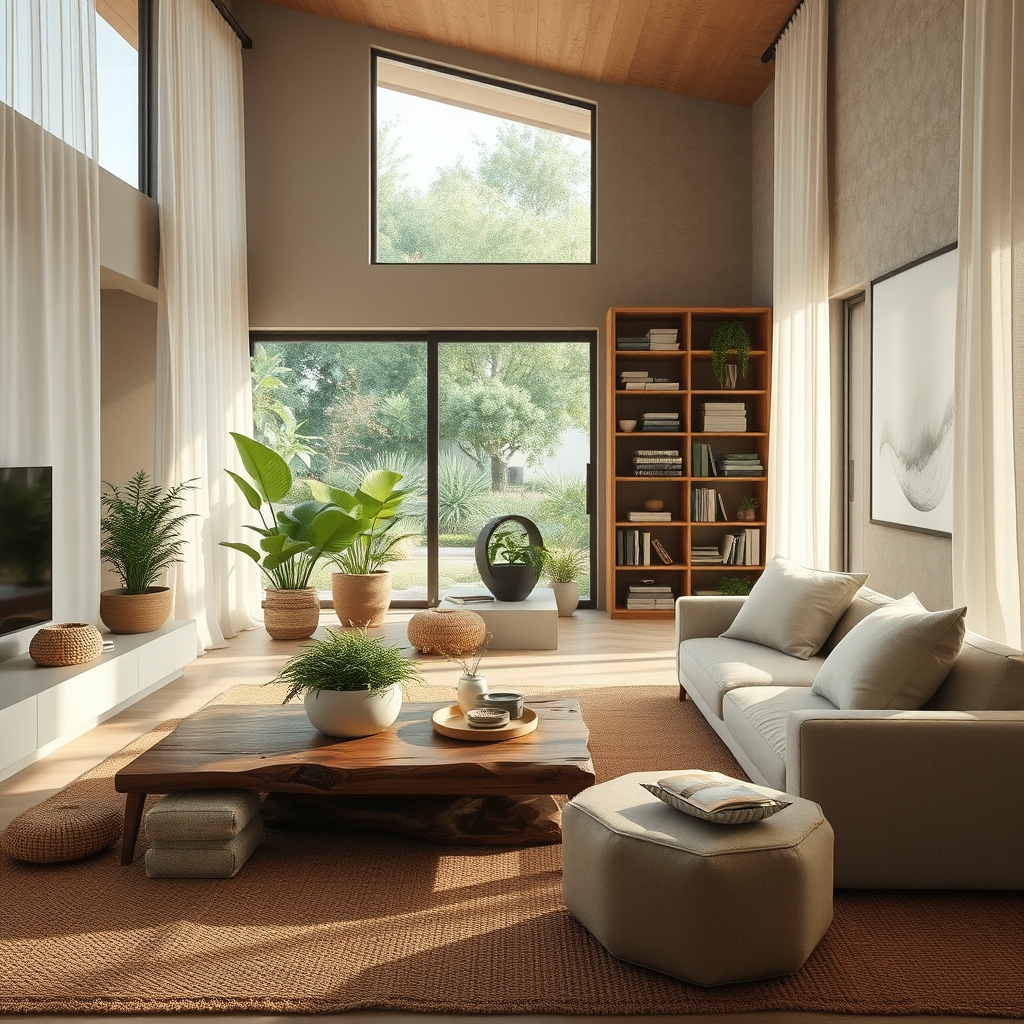
Spaces are not merely containers for our lives; they are silent conversationalists, whispering to us through texture, light, and form. The way a room responds to our presence—how it cradles our moods, amplifies our energy, or soothes our fatigue—is the essence of emotionally resonant interiors. This dialogue between human and habitat is often subtle, yet its impact is profound, shaping our well-being in ways we may not even consciously recognize.
The Language of Space
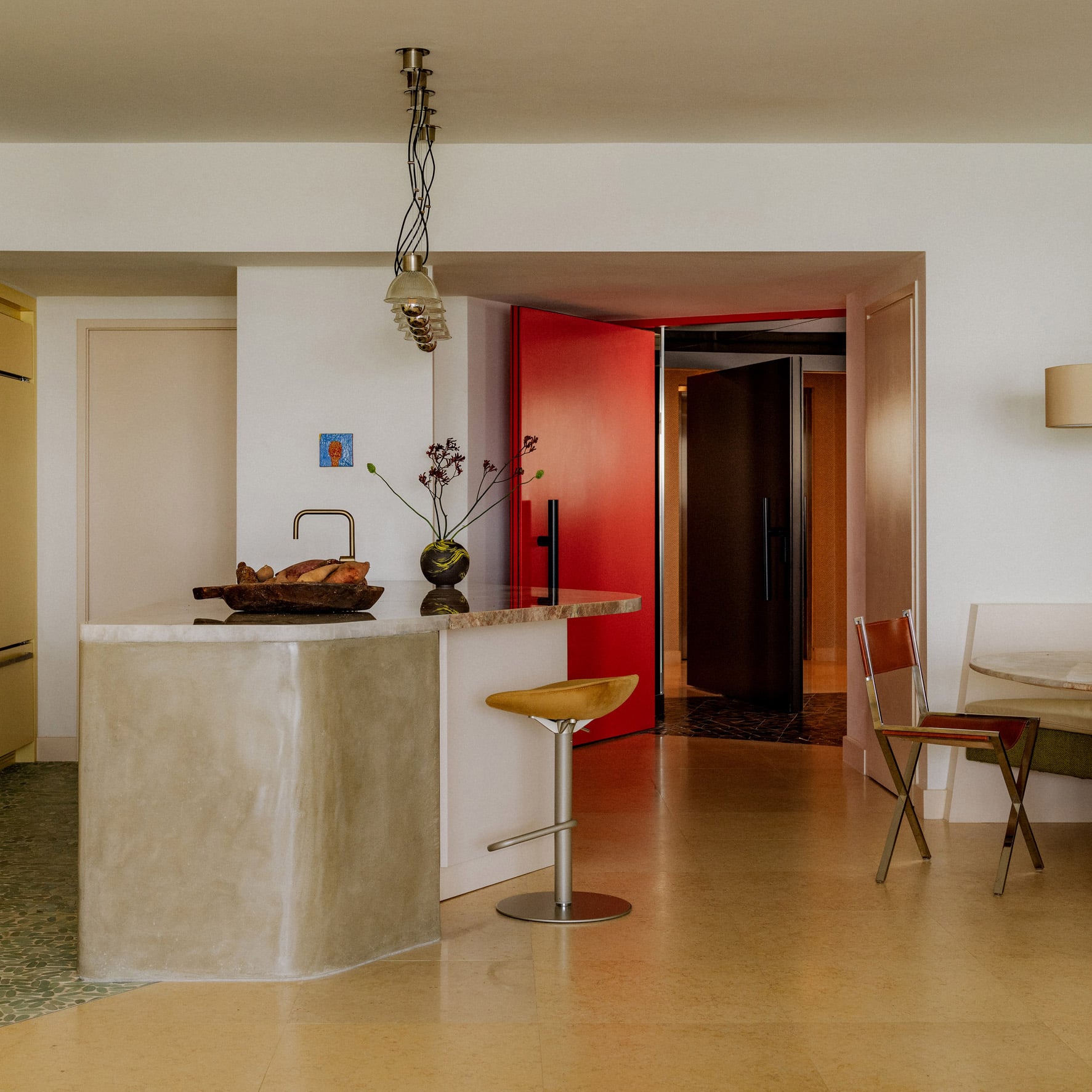
Every material, every curve, and every shadow in a room contributes to an unspoken narrative. A rough-hewn wooden table might evoke warmth and nostalgia, while a sleek, glass-topped surface could inspire clarity and focus. These choices are not arbitrary; they are deliberate strokes in a larger composition, one that speaks to our subconscious. Human-centric architecture takes this principle further, designing environments that adapt to our emotional and physical needs rather than forcing us to conform to rigid structures.
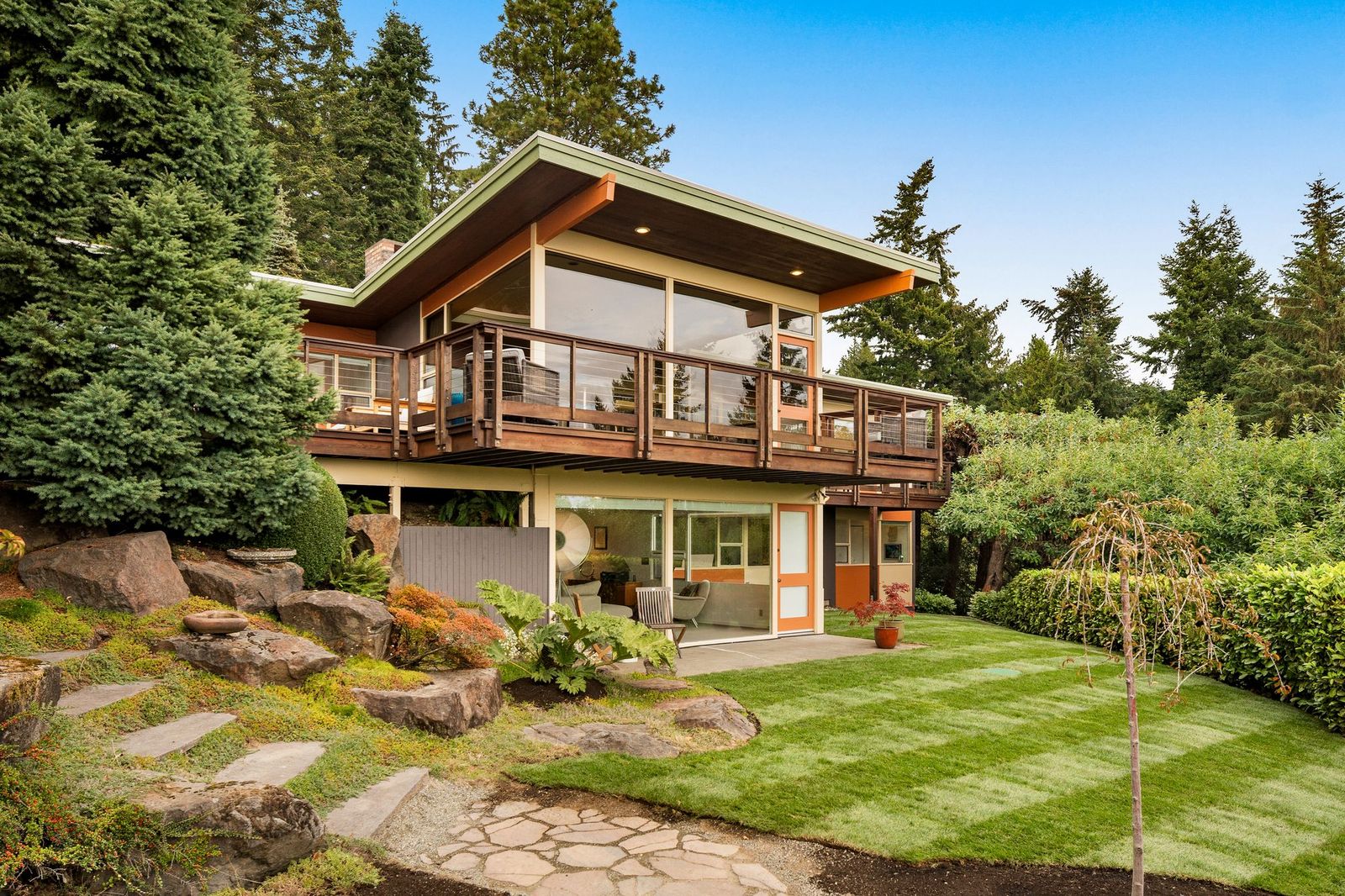
Consider the way natural light filters through a room at different times of the day. Morning sunlight streaming through sheer curtains can feel invigorating, while the golden hues of late afternoon might create a sense of calm. These shifts in illumination are not just visual phenomena; they are emotional cues, guiding our internal rhythms. When spaces are designed with this level of intentionality, they become more than just backdrops—they become active participants in our daily lives.
The Role of Sensory Engagement
True immersion in a space goes beyond what we see. It engages all our senses, creating a multisensory experience that feels almost alive. The soft give of a plush rug underfoot, the faint scent of cedar from a handcrafted bookshelf, the gentle hum of a well-placed water feature—these elements work in harmony to create an environment that feels cohesive and nurturing. Sensory interior environments are not about overwhelming the senses but about curating them, ensuring that each touchpoint contributes to a sense of balance and well-being.
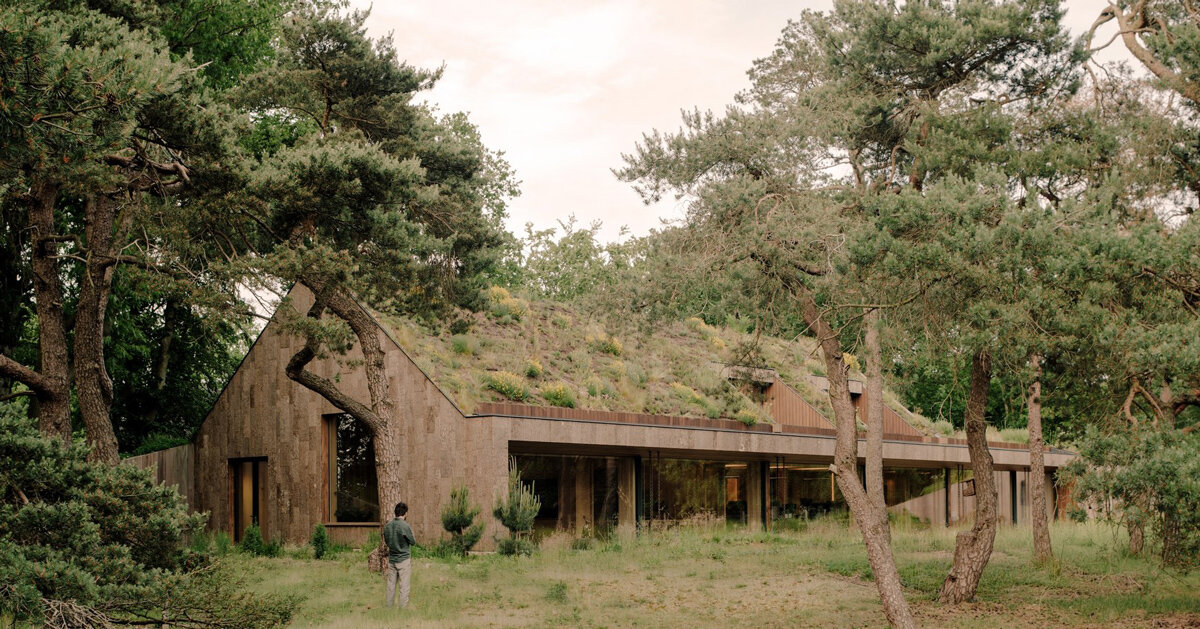
Biophilic design integration takes this concept further by forging a deeper connection to nature. The presence of plants, natural materials, and organic shapes can reduce stress and enhance creativity, making a space feel both grounding and expansive. This is not just about aesthetics; it’s about creating a sanctuary that supports our mental and emotional health. When we surround ourselves with elements that resonate with our innate love for nature, we create spaces that feel inherently right.
Adaptive Living: Spaces That Grow With Us
Life is not static, and neither should our spaces be. Adaptive living spaces are designed to evolve alongside our changing needs, whether that means reconfiguring a room for a growing family, creating a flexible workspace, or designing a home that accommodates aging in place. This adaptability is not just about practicality; it’s about ensuring that our environments continue to support us emotionally as our lives unfold.
Technology plays a key role in this evolution. Smart home experience design allows spaces to respond to our habits and preferences, adjusting lighting, temperature, and even layout to suit our moods. Imagine a living room that softens its lighting as the evening progresses or a bedroom that gradually warms in the morning to ease the transition from sleep to wakefulness. These are not futuristic fantasies but tangible possibilities that are already reshaping how we interact with our homes.
The Psychology of Personalization
Personalized interior concepts are about more than just reflecting our tastes; they are about creating environments that align with our identities and values. A space that feels truly ours is one that has been shaped by our experiences, our memories, and our aspirations. This might mean incorporating heirlooms that tell a family story, choosing colors that evoke a sense of joy, or designing layouts that facilitate the way we live and work.
Interactive interior planning tools have made this level of personalization more accessible than ever. Digital twin interior modeling allows us to experiment with different configurations, materials, and styles before committing to a design. This co-creative design process ensures that the final result is not just beautiful but deeply meaningful, a true reflection of who we are and how we want to live.
The Subtle Power of Minimalism
In a world that often feels cluttered and chaotic, minimalist lifestyle design offers a counterpoint—a way to create spaces that feel open, serene, and intentional. Minimalism is not about deprivation; it’s about curation. It’s about choosing quality over quantity, ensuring that every object in a space serves a purpose, whether functional or emotional. This approach can be incredibly liberating, freeing us from the weight of excess and allowing us to focus on what truly matters.
Conscious material selection is a cornerstone of this philosophy. By choosing sustainable, ethically sourced materials, we create spaces that are not only beautiful but also aligned with our values. This mindful approach extends beyond aesthetics, fostering a sense of responsibility and connection to the world around us. When we design with intention, we create homes that nourish both the soul and the planet.
Spaces that resonate emotionally do more than just house our lives; they shape them. They influence how we feel, how we think, and how we connect with others. When we design with empathy and intention, we create environments that don’t just meet our needs but elevate our experiences. The most powerful interiors are those that feel like a natural extension of ourselves, spaces that understand us as deeply as we understand them. In this silent dialogue, we find not just shelter, but a true sense of belonging.