
The Art of Emotional Resonance: Crafting Interiors That Tell Your Story Through Adaptive Design
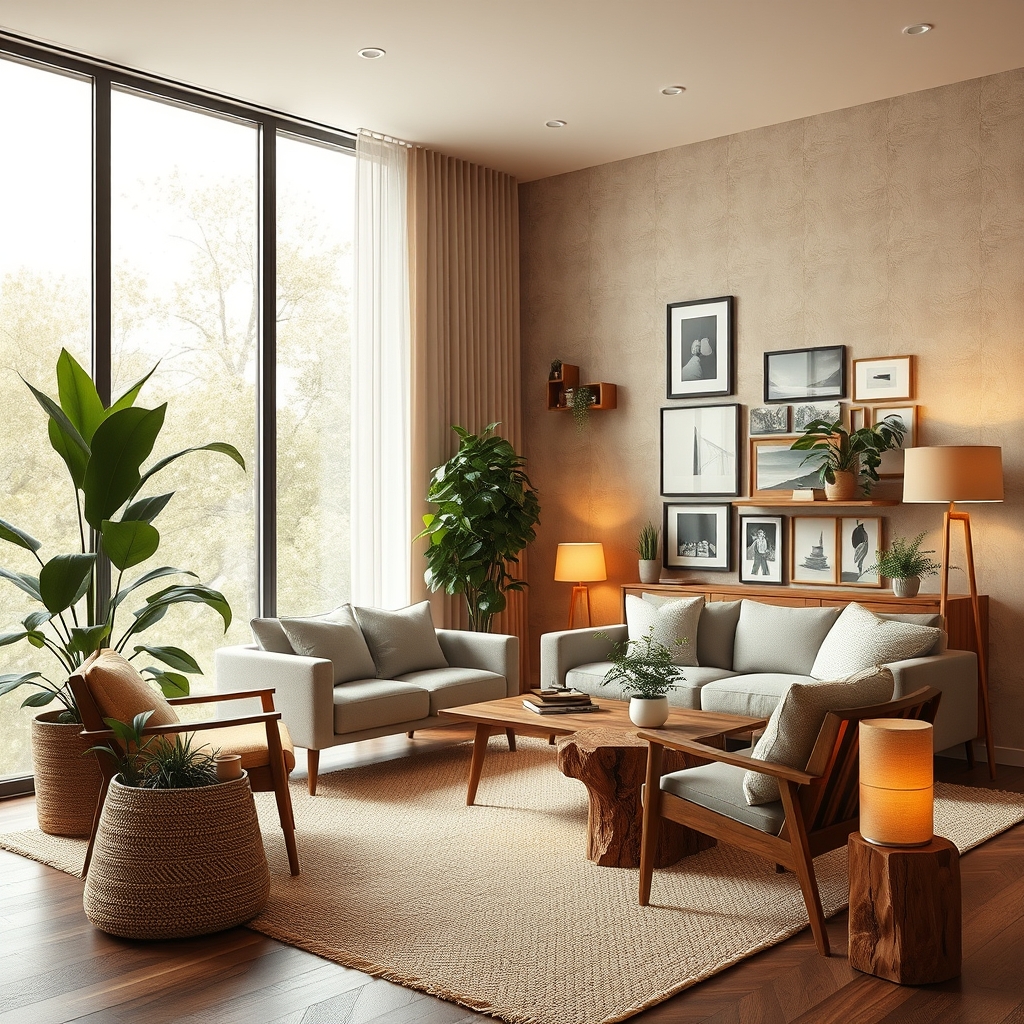
In a world where homes are often reduced to mere functional spaces, the true essence of living is found in environments that resonate with our emotions, memories, and aspirations. The shift toward emotionally resonant interiors is not just a trend but a profound evolution in how we perceive and interact with our living spaces. These are not just rooms; they are narratives, carefully woven with threads of personal identity, cultural heritage, and adaptive functionality. The magic lies in their ability to evolve alongside us, reflecting our growth while grounding us in comfort and familiarity.
The Foundation: Human-Centric Architecture
At the heart of emotionally resonant interiors is human-centric architecture, a philosophy that prioritizes the emotional and psychological needs of occupants. This approach goes beyond aesthetics, delving into how spaces can support mental well-being, foster connections, and adapt to the rhythms of daily life. For instance, the strategic placement of windows to capture natural light isn’t just about illumination—it’s about regulating circadian rhythms, boosting mood, and creating a sense of openness. Similarly, the use of organic shapes and soft edges in furniture and layouts can subconsciously reduce stress, making a home feel like a sanctuary rather than a static structure.
Human-centric design also embraces flexible living solutions, ensuring that spaces can adapt to changing needs. A home office that transforms into a guest room, or a living area that expands to accommodate gatherings, reflects the dynamic nature of modern life. This adaptability is not just practical; it’s deeply personal, allowing individuals to imprint their lifestyles onto their environments without constraint.
The Role of Sensory Engagement
To create interiors that truly resonate, designers are increasingly turning to sensory interior environments, where every element engages the mind, body, and soul. This multi-sensory approach considers how textures, scents, sounds, and even temperatures can influence our emotional state. For example, the tactile warmth of a handwoven rug or the soothing sound of a water feature can evoke feelings of comfort and tranquility. Even the scent of a space—whether through natural materials like wood and stone or carefully curated diffusers—can trigger memories and emotions, making a house feel like a home.
Biophilic design integration plays a pivotal role in this sensory engagement. By incorporating natural elements such as plants, water, and organic materials, designers can create spaces that nurture the human spirit. Studies have shown that exposure to nature, even in simulated forms, can reduce stress, improve cognitive function, and enhance overall well-being. In urban environments where green spaces are limited, biophilic design offers a way to reconnect with nature, fostering a sense of balance and harmony within the home.
Personalization Through Co-Creative Processes
The most emotionally resonant interiors are those that feel uniquely yours. This level of personalization is achieved through co-creative design processes, where homeowners and designers collaborate to craft spaces that reflect individual identities and lifestyles. Unlike traditional design methods, where the designer’s vision often takes precedence, co-creative processes prioritize the occupant’s voice, ensuring that every detail—from color palettes to furniture selection—aligns with their story.
Digital tools like digital twin interior modeling have revolutionized this collaborative approach. These virtual replicas of physical spaces allow homeowners to experiment with layouts, materials, and finishes in real-time, making the design process more interactive and iterative. For example, a couple planning a nursery can visualize how different color schemes and furniture arrangements will feel, ensuring the space aligns with their vision before any physical changes are made. This level of involvement not only enhances satisfaction but also deepens the emotional connection to the space.
The Power of Cultural Narrative
Our homes are often the most tangible expressions of our cultural identity. Cultural narrative interiors celebrate this by weaving heritage, traditions, and personal histories into the fabric of a space. Whether it’s through the use of traditional textiles, heirloom furniture, or artisanal crafts, these elements tell a story that transcends time and trends. For instance, a modern living room might feature a handcrafted rug passed down through generations, or a kitchen designed with open shelving to display pottery collected from travels. These touches don’t just add visual interest—they create a sense of continuity and belonging.
Incorporating cultural narratives also fosters a deeper connection to the past while allowing for modern interpretations. A home that blends contemporary minimalism with traditional Japanese design principles, for example, can create a serene and balanced environment that honors heritage while embracing innovation. This fusion of old and new not only enriches the aesthetic but also reinforces the idea that our homes are living entities, evolving with us as we grow.
Sustainability as a Core Principle
Emotionally resonant interiors are not just about how a space feels—they’re also about how it aligns with our values. Sustainable home styling has become a cornerstone of modern design, reflecting a growing awareness of our environmental impact. Conscious material selection, such as reclaimed wood, recycled metals, and low-VOC paints, ensures that homes are not only beautiful but also eco-friendly. These choices resonate on a deeper level, as they reflect a commitment to stewardship and responsibility.
Moreover, sustainable design often goes hand-in-hand with wellness-focused home design. Natural, non-toxic materials contribute to better indoor air quality, while energy-efficient systems reduce stress on both the environment and household budgets. A home that prioritizes sustainability is one that nurtures both its occupants and the planet, creating a harmonious balance that enhances emotional well-being.
The Future: Adaptive and Interactive Spaces
As technology continues to advance, the future of emotionally resonant interiors lies in interactive interior planning and smart home experience design. Imagine a home that learns your preferences—adjusting lighting, temperature, and even music based on your mood or the time of day. These adaptive spaces don’t just respond to our needs; they anticipate them, creating an environment that feels intuitively aligned with our lives.
For example, smart mirrors that display personalized affirmations or artwork that changes based on the season can add layers of emotional depth to a space. Similarly, modular furniture systems that can be reconfigured with a simple voice command or gesture offer unprecedented flexibility, allowing homeowners to adapt their environments in real-time. This level of interactivity transforms a house into a dynamic, living entity—one that grows and evolves alongside its inhabitants.
Yet, for all the innovation, the most powerful interiors remain those that feel authentically human. They are spaces that tell our stories, honor our pasts, and adapt to our futures. In a world that often feels disconnected, these environments offer a rare and precious gift: a place where we can truly be ourselves, surrounded by the elements that bring us joy, comfort, and meaning. The art of emotionally resonant design is not just about creating beautiful spaces—it’s about crafting homes that love us back, in all the ways that matter most.



