
The Alchemy of Light and Shadow: Crafting Emotionally Intelligent Spaces Through Dynamic Illumination
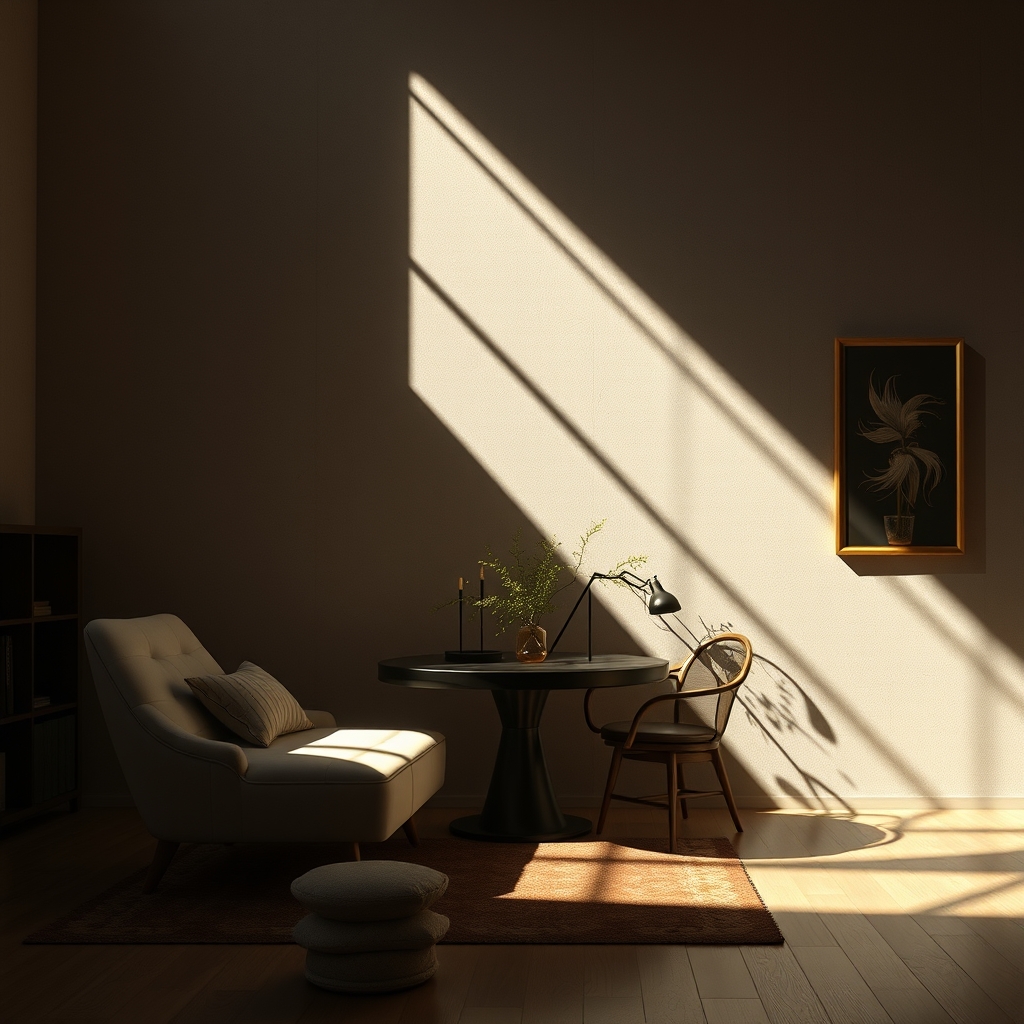
Light has always been more than a functional necessity—it is the silent sculptor of emotion, the invisible hand that shapes how we perceive and interact with the spaces we inhabit. In the realm of modern interior design, the interplay of light and shadow has evolved into a sophisticated language, one that speaks directly to our subconscious, evoking moods, memories, and even physiological responses. The art of dynamic illumination is no longer confined to mere brightness or ambiance; it has become a cornerstone of emotionally intelligent design, where light is harnessed to create environments that adapt, respond, and resonate with the human experience.
The Psychology of Light: More Than Meets the Eye
Human beings are inherently attuned to light. Our circadian rhythms, emotional states, and even cognitive performance are deeply influenced by the quality, intensity, and color temperature of the light around us. Research in environmental psychology has shown that warm, diffused lighting can foster relaxation and intimacy, while cooler, brighter light enhances focus and productivity. But the true magic lies in the ability to manipulate light dynamically, transforming a space from a vibrant social hub in the morning to a serene retreat by night.
In emotionally intelligent interiors, lighting is not static. It breathes with the occupants, shifting in response to time of day, activity, or even mood. Smart lighting systems, integrated with sensors and AI, can mimic the natural progression of daylight, subtly adjusting hues and intensities to align with our biological needs. Imagine a living room that glows with soft, golden tones in the evening, signaling the brain to wind down, or a home office that brightens with cool, energizing light during peak productivity hours. This is the power of light as a psychological tool—one that doesn’t just illuminate, but nurtures.
Shadow as a Design Element: The Art of Contrast
While light often takes center stage, shadow is its equally vital counterpart. In the hands of a skilled designer, shadow becomes a deliberate element of composition, adding depth, mystery, and drama to a space. The Japanese concept of yūgen, which refers to the profound beauty found in what is implied but not fully revealed, is a perfect example of how shadow can elevate a space from ordinary to extraordinary.
Consider the way a strategically placed floor lamp casts intricate patterns across a textured wall, or how the play of light and shadow through a perforated screen creates a dance of shapes on the floor. These moments of contrast draw the eye, invite curiosity, and create a sense of movement within a static environment. In adaptive living spaces, shadow is not an afterthought but a calculated design choice, one that enhances the sensory experience and adds layers of meaning to the interior narrative.
Biophilic Lighting: Bringing the Outdoors In
Biophilic design has long championed the integration of natural elements into interior spaces, and lighting is no exception. The way light filters through a forest canopy, the gentle flicker of a candle, or the golden glow of a sunset—these are the moments that connect us to nature and evoke a sense of calm. Replicating these effects indoors can have a profound impact on well-being, reducing stress and fostering a deeper connection to the environment.
Dynamic lighting systems can simulate the changing qualities of natural light, from the soft, diffused glow of dawn to the warm, golden hues of dusk. Skylights, light wells, and even artificial



