
The Invisible Handshake: How Co-Creative Design Processes Are Forging Deeper Connections Between People and Their Spaces
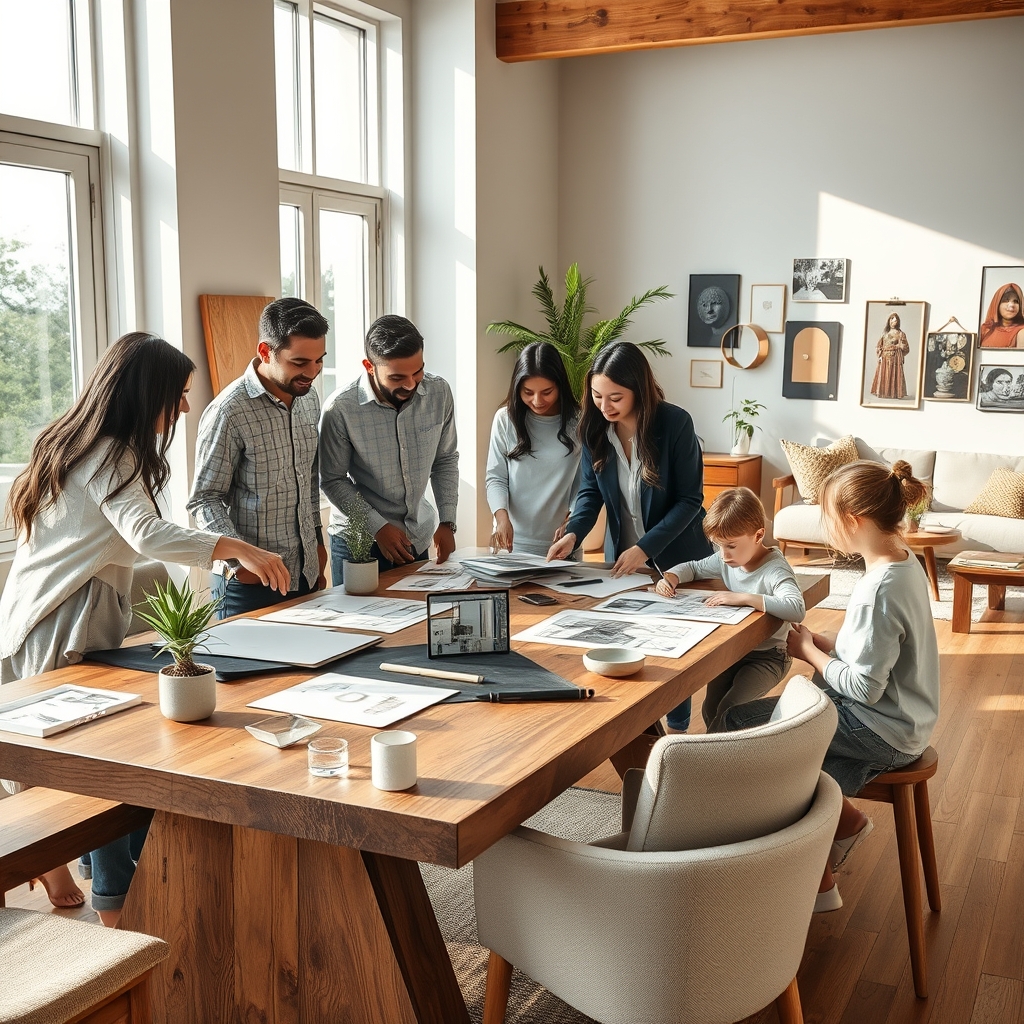
In an era where personalization is not just desired but expected, the relationship between individuals and their living spaces has evolved into something far more intimate and dynamic. No longer are homes static backdrops to daily life; they are living, breathing entities that adapt, respond, and grow alongside their inhabitants. At the heart of this transformation lies the co-creative design process—a collaborative approach that blurs the lines between designer, space, and dweller, fostering environments that are not only functional but deeply resonant.
The Shift from Passive to Active Participation
Traditionally, interior design has been a one-way street, where professionals dictate aesthetics, functionality, and flow based on their expertise and the client’s brief. While this model has produced beautiful and functional spaces, it often lacks the nuanced understanding of how individuals truly interact with their environments. The co-creative design process flips this script by inviting inhabitants into the creative journey from the very beginning. It’s a dialogue, not a monologue, where ideas are exchanged, tested, and refined in real time.
This shift is particularly powerful in the context of adaptive living spaces and human-centric architecture. When individuals are active participants in shaping their environments, the result is a space that doesn’t just meet their needs but anticipates them. For example, a family with young children might collaborate with a designer to create flexible zones that can evolve as the kids grow—spaces that are playful yet functional, safe yet stimulating. The process becomes as much about the journey as the destination, with each decision reflecting the collective vision of those who will call the space home.
The Role of Technology in Co-Creative Design
Technology has been a game-changer in democratizing the design process. Tools like digital twin interior modeling and interactive interior planning platforms allow individuals to visualize and manipulate their spaces in real time, experimenting with layouts, materials, and lighting before a single physical change is made. These tools don’t just make design more accessible; they make it more personal. A homeowner can tweak the placement of a bookshelf, adjust the warmth of a lighting scheme, or test the flow of a room with a few clicks, seeing immediate feedback on how these changes affect the space’s ambiance and functionality.
Moreover, technology enables a level of precision that was previously unimaginable. Sensors can track how spaces are used throughout the day, providing data that informs everything from furniture placement to the integration of biophilic design elements. For instance, if a living room is primarily used in the evenings, the design might prioritize warm, dimmable lighting and natural materials that evoke calmness and relaxation. This data-driven approach ensures that the final design is not just aesthetically pleasing but optimized for the rhythms of daily life.
Emotional Resonance Through Collaboration
One of the most profound outcomes of co-creative design is the emotional connection it fosters between people and their spaces. When individuals are involved in the design process, the resulting environment becomes a reflection of their identity, values, and aspirations. This is where concepts like emotionally resonant interiors and cultural narrative interiors come into play. A space designed through collaboration tells a story—whether it’s the story of a family’s heritage, a couple’s shared dreams, or an individual’s journey toward self-discovery.
Consider the example of a couple blending their cultural backgrounds into a shared home. Through co-creative design, they might integrate traditional textiles, artwork, and spatial layouts that honor their respective heritages while creating something entirely new. The process becomes a celebration of their union, with each design choice serving as a testament to their shared values. Similarly, an individual recovering from a major life transition—such as a career change or a move—might use the design process as a form of self-expression, creating a sanctuary that reflects their evolving sense of self.
The Psychology of Shared Creation
Co-creative design is not just about aesthetics or functionality; it’s deeply rooted in psychology. When people are actively involved in shaping their environments, they experience a sense of ownership and agency that enhances their well-being. This is particularly true in wellness-focused home design, where the goal is to create spaces that nurture the mind, body, and soul. A study published in the Journal of Environmental Psychology found that individuals who participated in the design of their workspaces reported higher levels of satisfaction, productivity, and emotional well-being. The same principles apply to residential spaces.
The collaborative process also fosters a sense of community and connection. In multi-generational households or shared living spaces, co-creative design can bridge generational or cultural gaps, creating environments that feel inclusive and harmonious. For example, a family designing a shared kitchen might involve everyone in the process, from grandparents who value tradition to grandchildren who prioritize modern convenience. The result is a space that accommodates everyone’s needs and preferences, reducing friction and fostering a sense of unity.
Sustainability as a Shared Value
Another compelling aspect of co-creative design is its potential to advance sustainability. When individuals are involved in the design process, they are more likely to embrace conscious material selection and sustainable home styling. This is because the process encourages them to think critically about the long-term impact of their choices, from the carbon footprint of materials to the energy efficiency of their home. A family designing a new living room, for instance, might opt for reclaimed wood furniture, low-VOC paints, and energy-efficient lighting—not because it’s trendy, but because it aligns with their values and the vision they’ve collectively crafted.
Moreover, co-creative design can extend the lifespan of a space. When people feel a deep connection to their environment, they are more likely to maintain and adapt it over time, rather than discarding it in favor of something new. This aligns with the principles of circular living, where the goal is to create spaces that are not only sustainable but also enduring in their relevance and appeal.
The Future of Co-Creative Design
As technology continues to evolve, the possibilities for co-creative design are expanding. Virtual reality (VR) and augmented reality (AR) are already being used to create immersive design experiences, allowing individuals to “step into” their future spaces and make adjustments in real time. Imagine donning a VR headset and walking through your redesigned kitchen, testing the placement of appliances, the flow of movement, and even the acoustics of the space. This level of immersion makes the design process more intuitive and engaging, further blurring the lines between designer and dweller.
Artificial intelligence (AI) is also poised to play a significant role in co-creative design. AI-powered tools can analyze vast amounts of data—from personal preferences to environmental factors—to generate design suggestions that are tailored to the individual. For example, an AI might recommend a layout that maximizes natural light based on the home’s orientation, or suggest materials that align with the homeowner’s aesthetic and sustainability goals. While AI will never replace the human touch, it can serve as a powerful collaborator, enhancing the creative process and ensuring that the final design is both beautiful and functional.
As we look to the future, the co-creative design process stands as a testament to the power of collaboration. It’s a reminder that the best spaces are not those imposed by experts, but those co-created with the people who inhabit them. In this shared journey, homes become more than just structures; they become extensions of our identities, reflections of our values, and sanctuaries that nurture our well-being. The invisible handshake between designer and dweller is what transforms a house into a home, and it’s a connection that grows stronger with every shared idea, every compromise, and every moment of inspiration.



