
Sensory Interior Environments: Crafting Homes That Engage the Mind, Body, and Soul
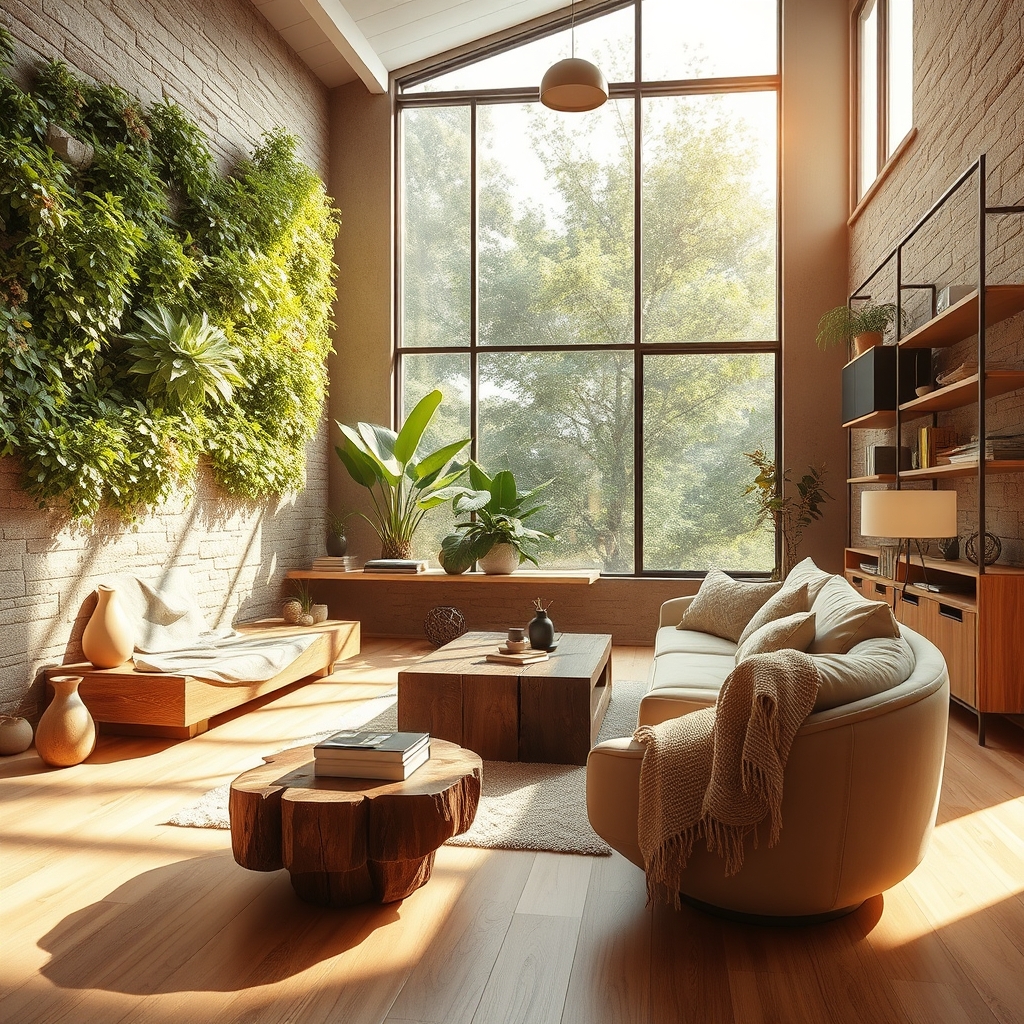
In an era where our lives are increasingly digitized and fast-paced, the spaces we inhabit have evolved from mere shelters into sanctuaries that nurture our well-being. Sensory interior environments represent a paradigm shift in home design, where every element is intentionally crafted to engage not just the eyes, but all five senses. This approach transcends traditional aesthetics, creating spaces that resonate on a deeper, more personal level. By integrating textures, scents, sounds, and even tastes into the design process, homes become dynamic ecosystems that adapt to and enhance our daily experiences.
The Foundations of Sensory Design
At the heart of sensory interior environments lies the principle of holistic room layouts, where every detail is considered in relation to the whole. Unlike conventional design, which often prioritizes visual appeal alone, sensory design begins with an understanding of how space impacts our emotions, behaviors, and even our physiology. For instance, the strategic placement of furniture can influence movement and social interaction, while the choice of materials can evoke warmth, calm, or energy. This mindful approach ensures that a home is not just beautiful, but also functional and emotionally supportive.
One of the most compelling aspects of sensory design is its ability to optimize psychological space. This involves creating environments that reduce stress, enhance focus, and promote relaxation. For example, soft, diffused lighting can create a cozy atmosphere, while the use of natural materials like wood and stone can ground a space in tranquility. Even the layout of a room—such as ensuring ample natural light or incorporating views of nature—can significantly impact our mental state. By designing with psychology in mind, sensory interiors become tools for well-being, helping us navigate the complexities of modern life with greater ease.
Engaging the Senses: A Multi-Dimensional Approach
Sensory design is inherently multi-sensory, engaging touch, sound, smell, and even taste alongside sight. The tactile experience of a space, for instance, can be transformed through the use of varied textures—plush rugs, smooth countertops, or rough-hewn wooden beams—each contributing to a richer, more immersive environment. Similarly, soundscapes play a crucial role in shaping our perception of a space. The gentle hum of a water feature, the soft rustle of curtains, or the absence of noise in a well-insulated room can all influence how we feel within a space.
Scent is another powerful, often underutilized tool in sensory design. A carefully chosen fragrance—whether it’s the freshness of citrus, the warmth of vanilla, or the earthiness of sandalwood—can evoke memories, set a mood, or even improve cognitive function. Some designers are now incorporating aromatherapy diffusers or natural materials like cedar and eucalyptus into their projects to create signature scents for a home. Even taste can be subtly integrated, such as through the use of edible plants in kitchen design or the inclusion of a tea station in a living area, adding another layer of sensory delight.
Biophilic Design: Bringing Nature Indoors
A cornerstone of sensory interior environments is biophilic design integration, which seeks to reconnect us with the natural world. This approach goes beyond simply adding plants to a space; it involves incorporating natural elements in ways that mimic the patterns, textures, and rhythms of nature. For example, a living wall can purify the air while providing a lush, verdant focal point, while the use of organic shapes and materials—such as curved furniture or stone accents—can evoke the calming influence of a forest or beach.
Natural light is another critical component of biophilic design. Large windows, skylights, and strategically placed mirrors can maximize daylight, reducing the need for artificial lighting and creating a dynamic interplay of light and shadow throughout the day. This not only enhances the visual appeal of a space but also supports our circadian rhythms, improving sleep and overall well-being. Even the choice of colors can reflect nature, with earthy tones like greens, blues, and browns fostering a sense of balance and harmony.
Adaptive and Personalized Spaces
In today’s fast-paced world, our needs and preferences are constantly evolving, and our homes must adapt accordingly. Adaptive living spaces are designed to be flexible, allowing for seamless transitions between different activities and moods. Modular furniture, for instance, can be reconfigured to accommodate a dinner party, a work-from-home setup, or a cozy movie night. Similarly, smart home experience design enables spaces to respond to our needs in real-time, such as adjusting lighting, temperature, or even music based on the time of day or our activities.
Personalization is another key aspect of sensory design. Personalized interior concepts ensure that a home reflects the unique identity and lifestyle of its inhabitants. This might involve custom-built storage solutions that cater to specific hobbies, or the incorporation of meaningful objects—such as artwork, heirlooms, or travel souvenirs—that tell a story. By tailoring a space to the individual, sensory design fosters a deeper connection between the home and its occupants, making it a true reflection of who they are.
The Future of Sensory Design: Technology and Innovation
As technology continues to advance, the possibilities for sensory interior environments are expanding. Digital twin interior modeling, for example, allows designers to create virtual replicas of a space, enabling clients to experience and refine their designs before any physical changes are made. This not only enhances precision but also empowers homeowners to make more informed decisions about their living environments. Similarly, interactive interior planning tools, such as augmented reality (AR) apps, allow users to visualize different layouts, materials, and colors in real-time, making the design process more collaborative and engaging.
Sustainability is also playing a pivotal role in the evolution of sensory design. Conscious material selection ensures that the materials used in a home are not only aesthetically pleasing but also eco-friendly and non-toxic. For instance, reclaimed wood, recycled metals, and low-VOC (volatile organic compound) paints contribute to a healthier indoor environment while reducing the home’s environmental footprint. Additionally, sustainable home styling emphasizes quality over quantity, encouraging the use of timeless pieces that can be adapted or repurposed over time, rather than disposable trends.
Sensory interior environments are more than just a trend—they represent a fundamental shift in how we perceive and interact with our living spaces. By engaging all five senses, integrating nature, and prioritizing personalization and adaptability, these designs create homes that are not just places to live, but spaces that truly enhance our lives. As we continue to explore the intersection of technology, psychology, and sustainability, the potential for sensory design to transform our homes—and our well-being—is limitless. In a world that often feels overwhelming, a thoughtfully designed sensory environment offers a refuge, a place where we can recharge, reflect, and reconnect with what matters most.



