
Breathing Walls: How Adaptive Living Spaces Learn to Grow With You
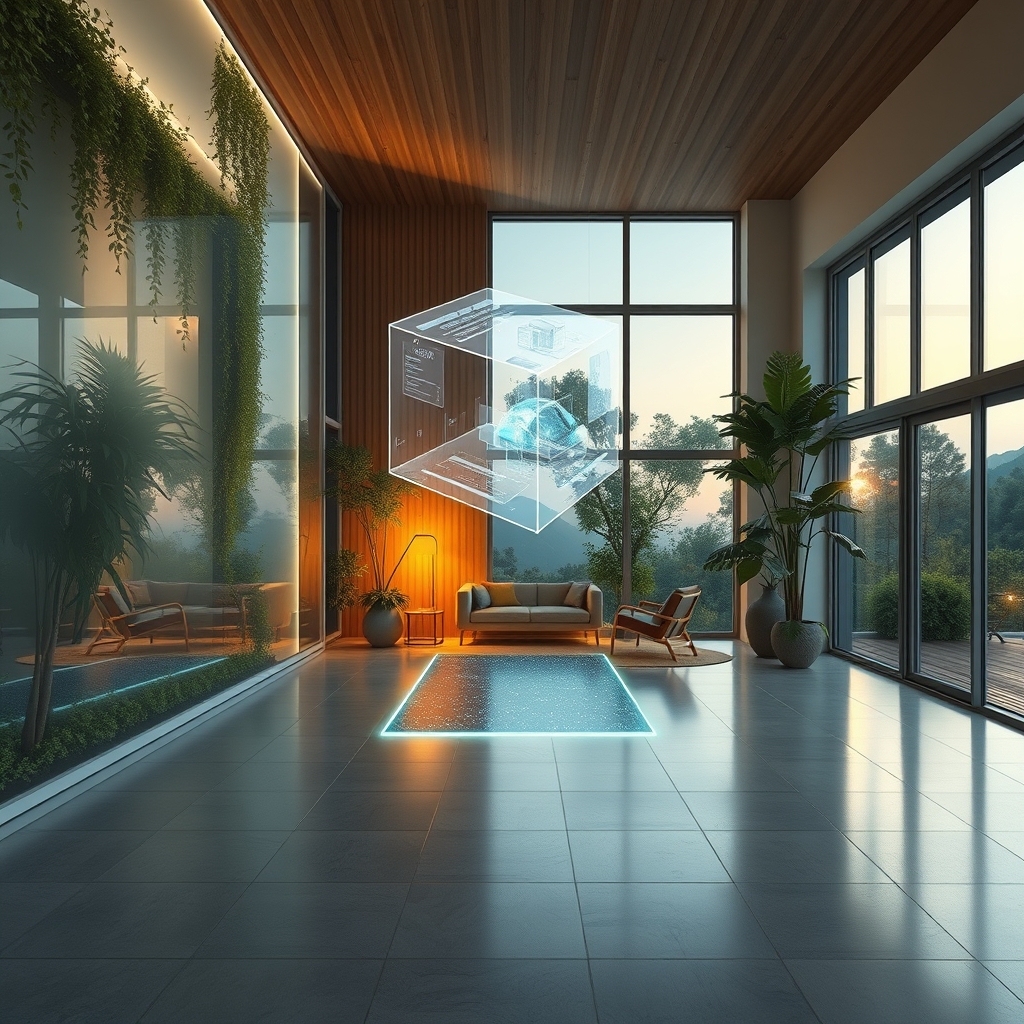
Imagine walking into a room that doesn’t just welcome you but understands you—shifting its mood, adjusting its layout, and even anticipating your needs before you voice them. This isn’t the stuff of science fiction; it’s the emerging reality of adaptive living spaces, where architecture and technology converge to create environments that evolve in tandem with the people who inhabit them. These spaces don’t just respond to commands; they learn, adapt, and grow, much like a living organism. The result? Homes that feel less like static structures and more like dynamic extensions of ourselves.
The Intelligence of Adaptive Spaces
At the heart of adaptive living spaces lies a simple yet profound idea: a home should not be a rigid container but a fluid, responsive entity. This concept is rooted in human-centric architecture, where the focus shifts from mere aesthetics or functionality to the emotional and psychological well-being of the occupants. Adaptive spaces leverage smart technology, sensory feedback, and even artificial intelligence to create environments that adjust in real-time. Think of walls that subtly change transparency based on the time of day, or floors that gently guide you toward natural light when you need a mood boost. These aren’t just conveniences; they’re subtle interventions that enhance how we experience our surroundings.
One of the most compelling examples of this is the integration of Digital Twin Interior Modeling, a technology that creates a virtual replica of a physical space. This digital twin allows designers and homeowners to simulate and test different configurations, materials, and lighting scenarios before making any physical changes. The result is a home that can be fine-tuned to perfection, ensuring that every element—from the placement of furniture to the color of the walls—aligns with the occupant’s lifestyle and emotional needs. It’s like having a crystal ball for your home, one that reveals how a space will feel before it’s even built.
The Role of Sensory Feedback
Adaptive living spaces don’t just rely on technology; they also engage our senses in ways that traditional design often overlooks. Sensory Interior Environments are designed to create a multi-layered experience, where sound, scent, texture, and even temperature play a role in shaping our mood and behavior. For instance, a room might use subtle aromatherapy diffusers to promote relaxation in the evening or dynamic lighting that mimics the natural progression of daylight to regulate our circadian rhythms. These elements work together to create an environment that feels alive, responsive, and deeply personal.
Consider the impact of sound in a space. A well-designed adaptive home might use acoustic panels that adjust their absorption properties based on the noise levels in the room, creating a quieter environment when needed or allowing for more natural sound flow when the space is bustling with activity. Similarly, tactile elements like textured walls or heated floors can evoke a sense of comfort and warmth, making a house feel more like a home. These sensory details are often the unsung heroes of adaptive design, quietly enhancing our daily lives in ways we might not even notice—until we step into a space that lacks them.
Biophilic Design: Bringing Nature Indoors
No discussion of adaptive living spaces would be complete without mentioning Biophilic Design Integration, a philosophy that seeks to reconnect us with nature by incorporating natural elements into our built environments. This goes beyond simply adding a few plants to a room; it’s about creating a seamless flow between the indoors and outdoors, using materials, patterns, and even views that evoke the natural world. Adaptive spaces take this a step further by dynamically responding to environmental changes, such as adjusting indoor humidity levels to mimic the outdoors or using smart glass to maximize natural light while minimizing glare.
Research has shown that biophilic design can reduce stress, improve cognitive function, and even boost creativity. In an adaptive home, these benefits are amplified. For example, a living room might feature a wall of greenery that grows and changes with the seasons, or a bedroom could have a ceiling that simulates the night sky, complete with twinkling stars. These elements don’t just look beautiful; they create a sense of harmony and well-being that is often missing in traditional interiors. By blurring the lines between the natural and built environments, adaptive spaces help us feel more grounded, connected, and at peace.
The Psychology of Personalization
One of the most powerful aspects of adaptive living spaces is their ability to reflect the unique identity of their occupants. Personalized Interior Concepts go beyond choosing a color palette or furniture style; they involve creating spaces that resonate with our individual stories, values, and aspirations. This level of personalization is made possible by technologies like AI-driven design tools, which can analyze our preferences, habits, and even our emotional responses to different environments. The result is a home that feels distinctly ours, a sanctuary that evolves as we do.
For instance, an adaptive home might use data from wearable devices to monitor our stress levels and adjust the environment accordingly. If the system detects that we’re feeling anxious, it might dim the lights, play calming music, or even suggest a change in scenery by opening a partition to reveal a cozy reading nook. These interventions are subtle but powerful, creating a feedback loop where the space and the occupant are in constant dialogue. Over time, the home becomes a true reflection of its inhabitants, adapting not just to their physical needs but to their emotional ones as well.
Sustainability as a Core Principle
Adaptive living spaces are not just about comfort and personalization; they’re also about sustainability. Conscious Material Selection plays a crucial role in this, as designers prioritize materials that are not only durable and aesthetically pleasing but also environmentally responsible. From reclaimed wood to recycled metals, these materials tell a story of their own, adding depth and character to a space while reducing its ecological footprint. Adaptive homes take this a step further by using smart systems to optimize energy use, such as automatically adjusting thermostats or turning off lights when a room is unoccupied.
But sustainability in adaptive design isn’t just about the materials or the technology; it’s also about creating spaces that stand the test of time. By designing homes that can evolve with their occupants, we reduce the need for constant renovations or rebuilds, which in turn minimizes waste and resource consumption. This approach aligns with the principles of Minimalist Lifestyle Design, where the focus is on quality over quantity, and every element in a space serves a purpose. The result is a home that is not only beautiful and functional but also kind to the planet.
The Future of Adaptive Living
As technology continues to advance, the possibilities for adaptive living spaces are virtually limitless. We’re already seeing the emergence of Interactive Interior Planning tools that allow homeowners to experiment with different layouts and designs in real-time, using augmented reality to visualize changes before they’re made. Imagine being able to walk through your home and see how a new piece of furniture or a different wall color would look, all through the lens of your smartphone. These tools are democratizing design, making it accessible to everyone, regardless of their budget or expertise.
Looking ahead, we can expect to see even more integration between our homes and the digital world. Smart homes will become smarter, with AI systems that learn our habits and preferences over time, creating environments that are not just responsive but predictive. We might see walls that double as touchscreens, or furniture that reconfigures itself based on our needs. The line between the physical and digital realms will continue to blur, creating spaces that are more intuitive, more personal, and more alive than ever before.
The beauty of adaptive living spaces lies in their ability to grow with us, to change as we change, and to reflect the ever-evolving nature of our lives. They remind us that a home is not just a place to live but a living, breathing entity that can nurture, inspire, and adapt. In a world that often feels rigid and unyielding, these spaces offer a glimpse of a future where our environments are as dynamic and unique as we are, where every room tells a story, and every corner holds the potential for transformation. The question is no longer whether our homes can adapt to us, but how far we’re willing to let them go.



