
The Invisible Embrace: How Wellness-Focused Home Design Nurtures the Subtle Art of Living
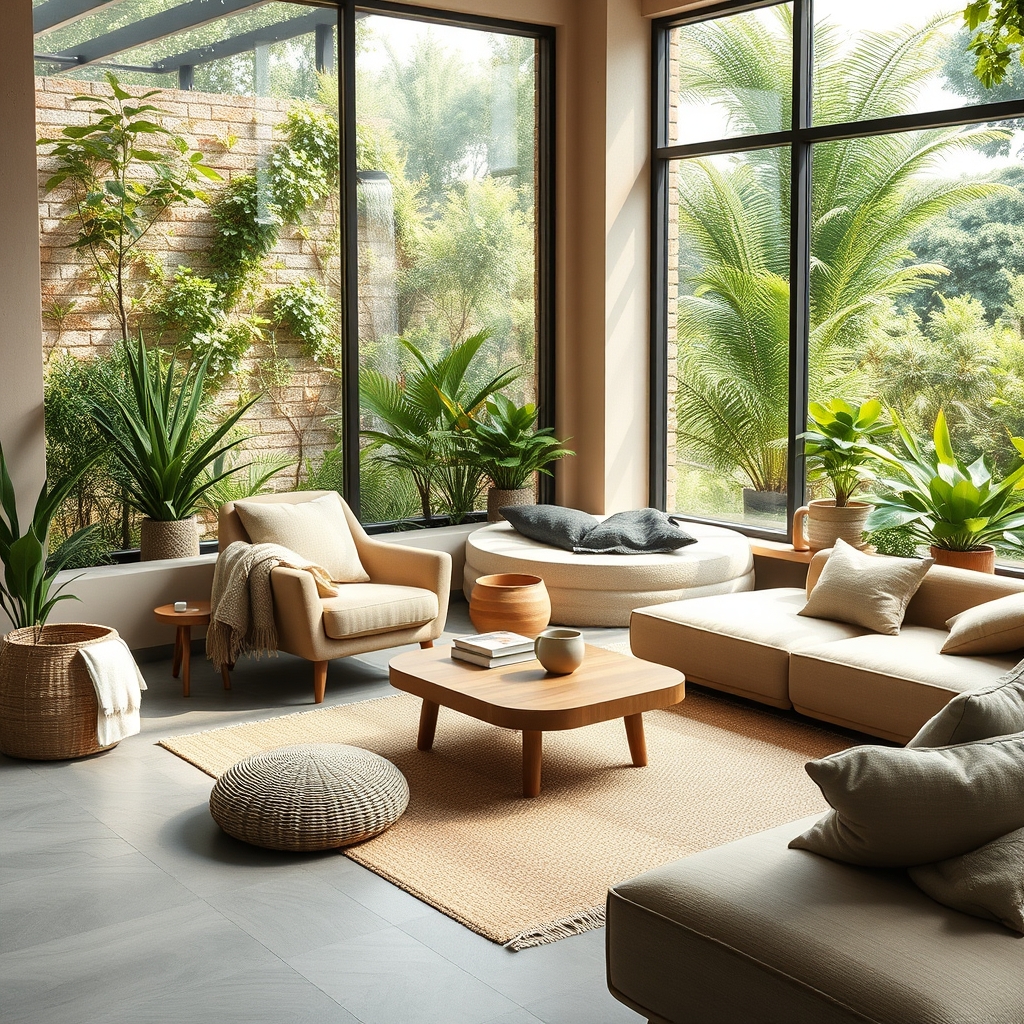
In an era where the boundaries between work, leisure, and rest blur more than ever, our homes have become the epicenter of our well-being. Yet, how often do we pause to consider whether our living spaces are truly nurturing us—or merely housing us? The answer lies not in grand gestures or opulent designs, but in the quiet, intentional choices that shape our daily experiences. Wellness-focused home design is less about aesthetics and more about crafting environments that support the subtle art of living: spaces that breathe with us, adapt to our needs, and gently guide us toward balance.
The Philosophy of Wellness-Centric Spaces
Wellness in home design transcends the inclusion of a yoga corner or a meditation nook. It is a holistic approach that considers the interplay of light, air, sound, and materials to create an ecosystem that aligns with our physiological and psychological needs. At its core, it asks: How can a space make us feel more grounded, more energized, or more at peace? The answer begins with understanding that our environments are not passive backdrops but active participants in our well-being.
For instance, the strategic placement of windows to maximize natural light isn’t just about illumination—it’s about regulating our circadian rhythms, which influence everything from sleep quality to mood. Similarly, the use of non-toxic, breathable materials like clay plaster or reclaimed wood isn’t merely an aesthetic choice; it’s a commitment to reducing indoor air pollution, which can have profound effects on respiratory health and cognitive function. These choices reflect a deeper awareness that our homes should be sanctuaries, not just shelters.
The Role of Sensory Engagement
Our senses are the gateways through which we experience the world, and a wellness-focused home design leverages this truth to create environments that engage us on a primal level. Sensory interior environments are designed to evoke calm, stimulate creativity, or even invigorate energy, depending on the intended purpose of the space. This might involve the use of textured fabrics that invite touch, the subtle scent of essential oils diffused through the air, or the soothing sound of water from a small indoor fountain.
Consider the impact of soundscapes in a home. Open-plan living areas, while popular, can often feel chaotic due to the lack of acoustic boundaries. Introducing soft furnishings like rugs, curtains, or upholstered furniture can absorb excess noise, creating a more serene atmosphere. Alternatively, the deliberate inclusion of natural sounds—such as a courtyard garden with rustling leaves or a small indoor water feature—can mask urban noise pollution and foster a sense of tranquility. These elements work together to create a multisensory experience that nurtures the mind and body.
Biophilic Design: Reconnecting with Nature
One of the most powerful tools in wellness-focused design is biophilic integration, which seeks to reconnect us with the natural world. This goes beyond simply adding a few houseplants; it’s about incorporating natural elements in ways that evoke the restorative qualities of nature. Think of a living wall that purifies the air while providing a lush, green focal point, or the use of natural stone and wood to create a tactile, grounding presence in a room.
Research has shown that exposure to natural elements can reduce stress, lower blood pressure, and even improve cognitive function. In a wellness-focused home, this might translate to large windows that frame a garden view, the use of organic shapes and patterns in decor, or the inclusion of natural materials like bamboo, cork, or linen. These elements don’t just beautify a space—they create a sense of harmony and connection to the world outside, which is essential for our mental and emotional well-being.
Adaptive Spaces for Evolving Needs
Wellness is not a static state; it evolves as our lives do. A home designed for well-being must be equally adaptable, capable of shifting to meet our changing needs. This is where the concept of adaptive living spaces comes into play. Imagine a bedroom that transforms into a home office with the simple adjustment of a sliding partition, or a kitchen island that doubles as a dining table and workspace. These flexible solutions ensure that our homes can grow and change with us, reducing stress and enhancing functionality.
Technology also plays a role in adaptive design. Smart home systems can adjust lighting, temperature, and even air quality based on our preferences and daily routines. For example, a system might gradually increase natural light in the morning to simulate sunrise, helping us wake up more gently. Or it might lower the temperature at night to create an optimal sleeping environment. These subtle adjustments can have a profound impact on our daily well-being, making our homes not just smarter, but more attuned to our needs.
The Power of Personalization
No two people experience wellness in the same way, which is why personalized interior concepts are at the heart of wellness-focused design. This might involve creating a dedicated space for a hobby that brings joy, such as a reading nook bathed in soft light or a music corner with acoustic panels to enhance sound quality. It could also mean designing a bedroom with blackout curtains and soundproofing for someone who struggles with sleep, or a kitchen with ergonomic features for someone with mobility challenges.
Personalization extends to the emotional resonance of a space. A home should reflect the stories, memories, and values of those who live in it. This might involve displaying artwork that holds personal significance, incorporating heirloom furniture, or designing a space that honors cultural traditions. When our homes resonate with our identities, they become more than just places to live—they become extensions of ourselves, fostering a sense of belonging and comfort.
Conscious Material Selection: The Foundation of Well-Being
The materials we surround ourselves with have a direct impact on our health and well-being. Conscious material selection is about choosing surfaces, finishes, and furnishings that are not only sustainable but also contribute to a healthy indoor environment. This means opting for non-toxic, low-VOC (volatile organic compound) paints, natural fibers like organic cotton or wool, and sustainably sourced wood.
It also means considering the lifecycle of materials. For example, cork is a renewable resource that is soft underfoot, naturally insulating, and hypoallergenic, making it an excellent choice for flooring. Similarly, reclaimed wood adds warmth and character to a space while reducing the demand for new timber. These choices reflect a commitment to both personal and planetary well-being, creating homes that are as kind to the environment as they are to their inhabitants.
Wellness-focused home design is not a trend—it’s a return to the fundamental idea that our environments should nurture us. It’s about creating spaces that don’t just look good, but feel good, too. In a world that often feels overwhelming, our homes should be the places where we can retreat, recharge, and reconnect with ourselves. By designing with intention, we can transform our living spaces into sanctuaries that support the subtle, beautiful art of living well.



