
The Poetry of Adaptation: How Immersive Spatial Design Crafts Homes That Dance With Life
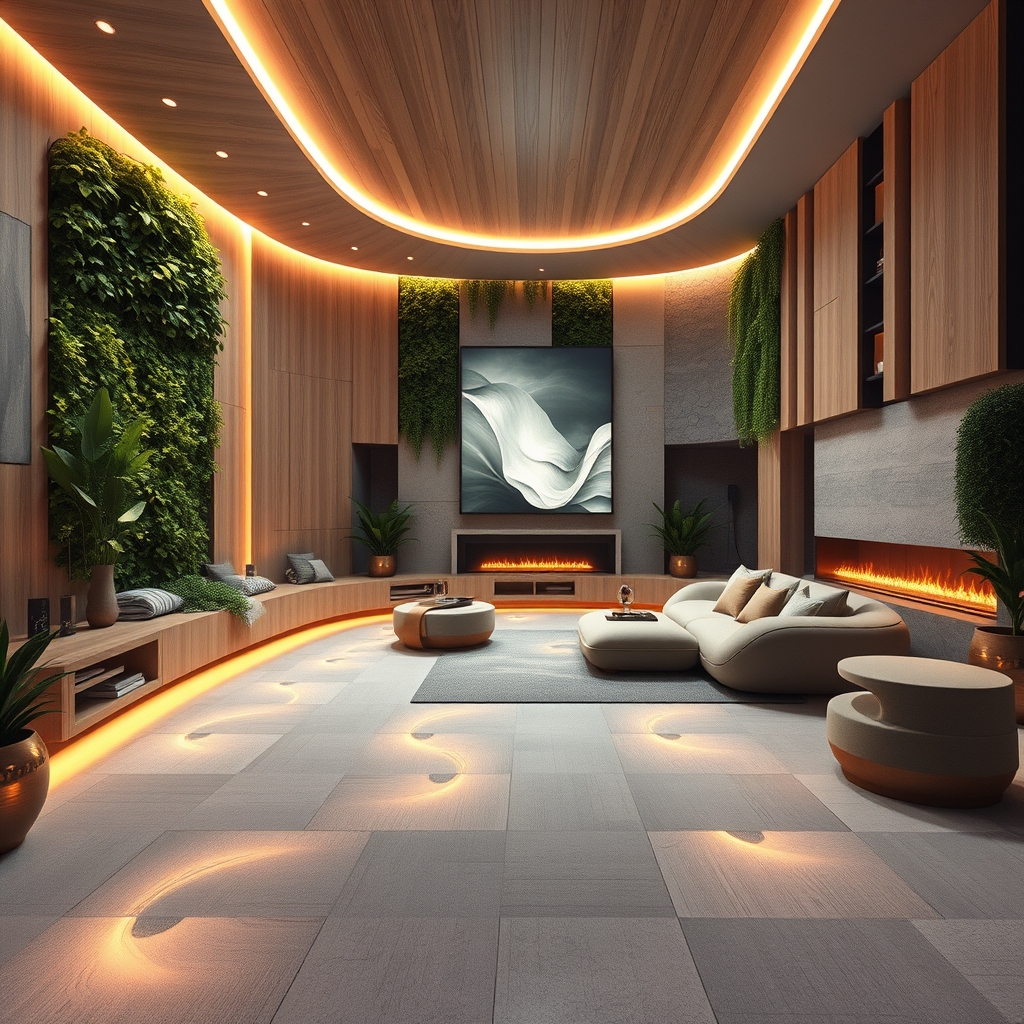
Imagine stepping into a room that doesn’t just welcome you but understands you—shifting its mood with the rhythm of your day, adjusting its form to the ebb and flow of your needs, and whispering stories through textures, light, and sound. This is the promise of immersive spatial design, a discipline that transcends traditional architecture to create living environments that are not just seen but felt, not just occupied but experienced. It’s a dance between space and inhabitant, where walls breathe, floors respond, and every corner of a home becomes a participant in the narrative of daily life.
The Alchemy of Sensory Engagement
At the heart of immersive spatial design lies the principle of sensory engagement—a deliberate orchestration of sight, sound, touch, scent, and even taste to craft environments that resonate on a deeply human level. Consider the way natural light filters through a room, casting shifting patterns that mirror the passage of time, or how the subtle hum of a hidden sound system can transform a space from a place of work to one of relaxation. These are not accidental details but carefully calibrated elements that shape our emotional and physiological responses.
Take, for instance, the use of biophilic design, where natural materials like wood, stone, and water features are integrated into interiors to evoke the calming presence of nature. Studies have shown that such elements can lower stress levels, improve cognitive function, and even accelerate healing. But immersive design takes this a step further by making these elements dynamic. Imagine a wall of living plants that adjusts its humidity levels to improve air quality or a floor that subtly vibrates with the sound of distant waves, syncing with your breathing to create a meditative rhythm. These are not futuristic fantasies but emerging realities in the world of adaptive living spaces.
The Psychology of Adaptive Environments
Human-centric architecture is not just about aesthetics or functionality; it’s about psychology. The spaces we inhabit shape our thoughts, emotions, and behaviors in ways we often don’t consciously recognize. Immersive spatial design leverages this understanding to create environments that adapt to our psychological needs. For example, a home might use color-changing LED panels to shift from warm, energizing hues in the morning to cool, calming tones in the evening, aligning with our circadian rhythms. Or consider a bedroom that adjusts its temperature and lighting based on your sleep patterns, ensuring restorative rest.
This level of personalization is made possible by advances in smart home technology and digital twin modeling, which allow designers to create virtual replicas of physical spaces. These digital twins can simulate how a room will feel under different conditions—how light will interact with surfaces, how sound will travel, or how airflow will circulate—enabling designers to fine-tune every detail before a single brick is laid. The result is a home that doesn’t just fit your lifestyle but evolves with it, learning from your habits and preferences to create a truly bespoke living experience.
The Co-Creative Process: Designing With, Not For
One of the most transformative aspects of immersive spatial design is its emphasis on co-creation. Gone are the days when architects and designers worked in isolation, dictating how a space should be used. Today, the most innovative projects are those that involve the inhabitants in the design process, treating them as active participants rather than passive recipients. This collaborative approach ensures that the final space is not just beautiful or functional but deeply personal, reflecting the unique identities and stories of those who live there.
Co-creative design processes often begin with workshops or interviews where designers explore the emotional and practical needs of the inhabitants. What are their daily rituals? What memories do they want their home to evoke? What challenges do they face in their current living environment? These insights are then translated into design elements—whether it’s a hidden nook for quiet reflection, a modular kitchen that adapts to different cooking styles, or a living room that can transform from a cozy family space to an elegant entertaining area with the touch of a button.
The Role of Conscious Materiality
Materials are the silent storytellers of immersive spatial design. The choice of wood, metal, fabric, or glass can evoke warmth, strength, softness, or transparency, shaping how we perceive and interact with a space. But in an era of sustainability, material selection is about more than aesthetics—it’s about ethics. Conscious materiality involves choosing resources that are not only beautiful and durable but also responsibly sourced, non-toxic, and environmentally friendly.
For example, reclaimed wood can add character and history to a space while reducing the demand for new timber. Recycled metals and glass can lend a modern, industrial edge without the environmental cost of mining and manufacturing. Even innovative materials like mycelium-based composites—grown from fungal networks—are being used to create furniture and structural elements that are fully biodegradable. These choices reflect a broader shift toward circular design, where every element of a home is considered for its lifecycle impact, from production to disposal.
The Future of Living: Homes That Learn and Grow
The ultimate goal of immersive spatial design is to create homes that are not static entities but living, evolving systems. Thanks to advancements in artificial intelligence and the Internet of Things (IoT), our living spaces are becoming increasingly adaptive. Sensors embedded in walls and floors can detect changes in temperature, humidity, or occupancy, triggering automated responses—like adjusting blinds to regulate light or activating air purifiers when pollution levels rise. Over time, these systems learn from our behaviors, anticipating our needs before we even articulate them.
But technology alone is not enough. The true magic of immersive design lies in its ability to blend the digital with the analog, the high-tech with the deeply human. A home might use AI to optimize energy use, but it’s the handcrafted ceramic tiles or the scent of a favorite herb garden that makes it feel like a sanctuary. It’s this balance—between innovation and tradition, between efficiency and emotion—that defines the next frontier of home design.
As we stand on the cusp of this new era, it’s worth reflecting on what it means to truly live in a space. A home is more than a shelter; it’s a partner in our daily lives, a witness to our joys and sorrows, and a canvas for our dreams. Immersive spatial design doesn’t just create houses—it crafts experiences, memories, and emotions, transforming the places we live into the places we love. And in doing so, it reminds us that the most extraordinary spaces are not those that impress the eye, but those that touch the soul.



