
The Whisper of Walls: How Cultural Narrative Interiors Shape Identity and Belonging
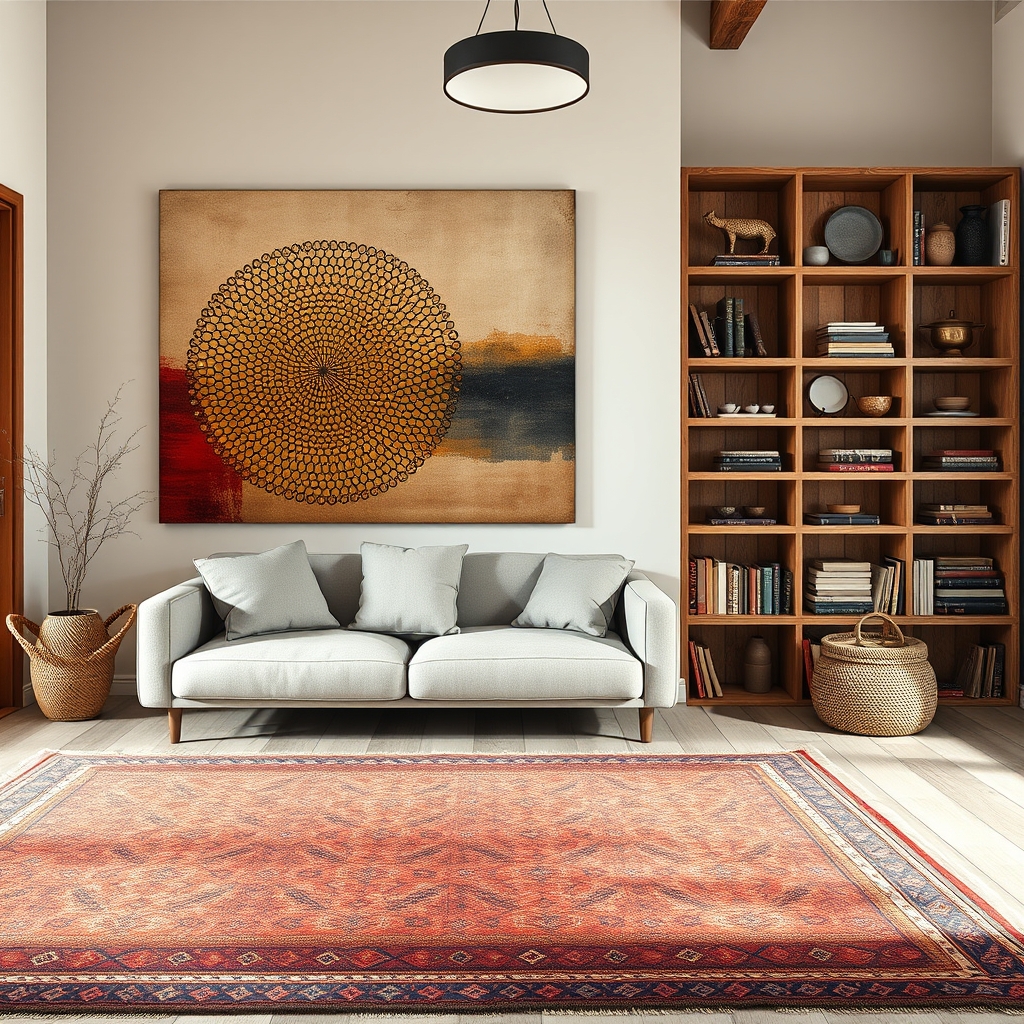
Spaces are not merely containers for life; they are silent storytellers, holding within their walls the echoes of heritage, memory, and identity. When we step into a room that feels like an extension of ourselves, it is often because the design speaks a language we recognize—one woven from the threads of our cultural narrative. Cultural narrative interiors do more than decorate; they preserve, celebrate, and reinterpret the stories that define who we are, transforming houses into sanctuaries of belonging.
The Power of Story in Space
Every culture carries a unique visual and tactile vocabulary—patterns, textures, colors, and symbols that have been passed down through generations. These elements are not just decorative; they are vessels of meaning. A Moroccan zellige tile, for instance, is not merely a geometric marvel; it is a fragment of history, a testament to the artisans who perfected the craft over centuries. When such elements are integrated into modern interiors, they do more than add aesthetic value—they create a bridge between past and present, inviting inhabitants to connect with their roots.
Incorporating cultural narratives into interior design requires more than surface-level replication. It demands a deep understanding of the symbolism behind each element. For example, the use of indigo in West African textiles is not just about color; it represents protection, spirituality, and resilience. Similarly, the intricate wood carvings in Balinese homes are not just ornamental; they are believed to ward off negative energy. When these elements are thoughtfully integrated into a space, they transform it into a living archive of cultural identity.
From Tradition to Modernity: The Art of Reinterpretation
The challenge—and the beauty—of cultural narrative interiors lies in their ability to evolve. A home that rigidly clings to tradition can feel like a museum, while one that ignores heritage entirely risks losing its soul. The key is reinterpretation: taking the essence of cultural elements and adapting them to contemporary lifestyles. This might mean incorporating traditional motifs into modern furniture, using ancestral color palettes in minimalist layouts, or blending handcrafted artifacts with sleek, functional design.
Consider the Japanese concept of wabi-sabi, which finds beauty in imperfection and transience. In modern interiors, this philosophy can be expressed through the use of handmade ceramics, asymmetrical layouts, or the natural patina of aged wood. These elements do not scream “tradition” but instead whisper it, creating a subtle yet profound connection to cultural heritage. Similarly, Scandinavian design, with its emphasis on simplicity and functionality, draws from a cultural narrative of frugality and harmony with nature, even as it adapts to modern urban living.
Personalization Through Cultural Layers
Cultural narrative interiors are not one-size-fits-all. They are deeply personal, shaped by the unique experiences and backgrounds of the individuals who inhabit the space. For someone with mixed heritage, this might mean blending elements from different cultures—perhaps a Moroccan rug paired with Japanese shoji screens, or Indian block-printed textiles alongside Danish modern furniture. The result is a space that feels authentic because it reflects the complexity of the individual’s identity.
This personalization extends beyond aesthetics. It can also influence the functionality of a space. For example, in many Middle Eastern cultures, hospitality is a cornerstone of social life, and homes are designed to accommodate large gatherings. A modern interpretation of this might include flexible seating arrangements, multifunctional furniture, or open-plan layouts that encourage communal interaction. In contrast, a home inspired by Nordic traditions might prioritize cozy nooks for solitude and reflection, reflecting a cultural value placed on personal space and introspection.
Sustainability and Cultural Narratives: A Natural Alignment
There is a natural synergy between cultural narrative interiors and sustainable design. Many traditional design practices are inherently eco-friendly, rooted in the use of local, natural materials and time-honored techniques that minimize waste. For instance, the Japanese art of kintsugi, which repairs broken pottery with gold, embodies the principles of sustainability and resilience. When applied to interiors, this philosophy encourages the use of reclaimed materials, upcycled furniture, and designs that prioritize longevity over disposability.
Moreover, cultural narratives often emphasize a deep connection to the natural world, which aligns with the principles of biophilic design. Indigenous Australian dot paintings, for example, are not just art; they are maps of the land, telling stories of the environment and its resources. Incorporating such elements into a home can foster a sense of stewardship for the planet, reinforcing the idea that our living spaces should exist in harmony with nature.
The Role of Technology in Preserving Cultural Narratives
While cultural narrative interiors are deeply rooted in tradition, technology can play a role in preserving and evolving these stories. Digital tools like 3D scanning and virtual reality can help document and recreate traditional crafts, ensuring they are not lost to time. For example, a designer might use digital modeling to recreate a centuries-old weaving technique, allowing it to be adapted for modern textiles. Similarly, augmented reality can enable homeowners to visualize how cultural elements might look in their space before making permanent changes, making the design process more interactive and personalized.
Technology can also facilitate cross-cultural exchange, allowing designers and homeowners to draw inspiration from traditions beyond their own. Platforms like Pinterest and Instagram have made it easier than ever to discover and share global design influences, fostering a more inclusive and interconnected approach to cultural narrative interiors. However, it is crucial to approach this exchange with respect and sensitivity, ensuring that cultural elements are used in a way that honors their origins rather than appropriating them.
Designing for Emotional Resonance
The most powerful cultural narrative interiors are those that evoke emotion. They do not just look beautiful; they feel meaningful. This emotional resonance is what transforms a house into a home, a space into a sanctuary. It is achieved through a combination of sensory experiences—textures that invite touch, scents that evoke memory, sounds that soothe the soul, and visuals that tell a story.
For example, the use of incense or essential oils in a space can evoke the sensory memories of a childhood home, while the sound of a fountain might bring to mind the tranquility of a traditional Japanese garden. Even the tactile experience of walking barefoot on a handwoven rug can create a sense of grounding and connection to one’s heritage. These sensory details are not incidental; they are integral to the design, shaping how we feel and interact with the space.
Ultimately, cultural narrative interiors are about more than aesthetics. They are about creating spaces that nurture the soul, spaces that remind us of who we are and where we come from. In a world that often feels fragmented and fast-paced, these interiors offer a sense of continuity and belonging. They are a testament to the idea that our homes should not just reflect how we live, but who we are—and who we aspire to be.



