
The Invisible Blueprint: How Digital Twin Interior Modeling is Crafting the Future of Adaptive Living Spaces
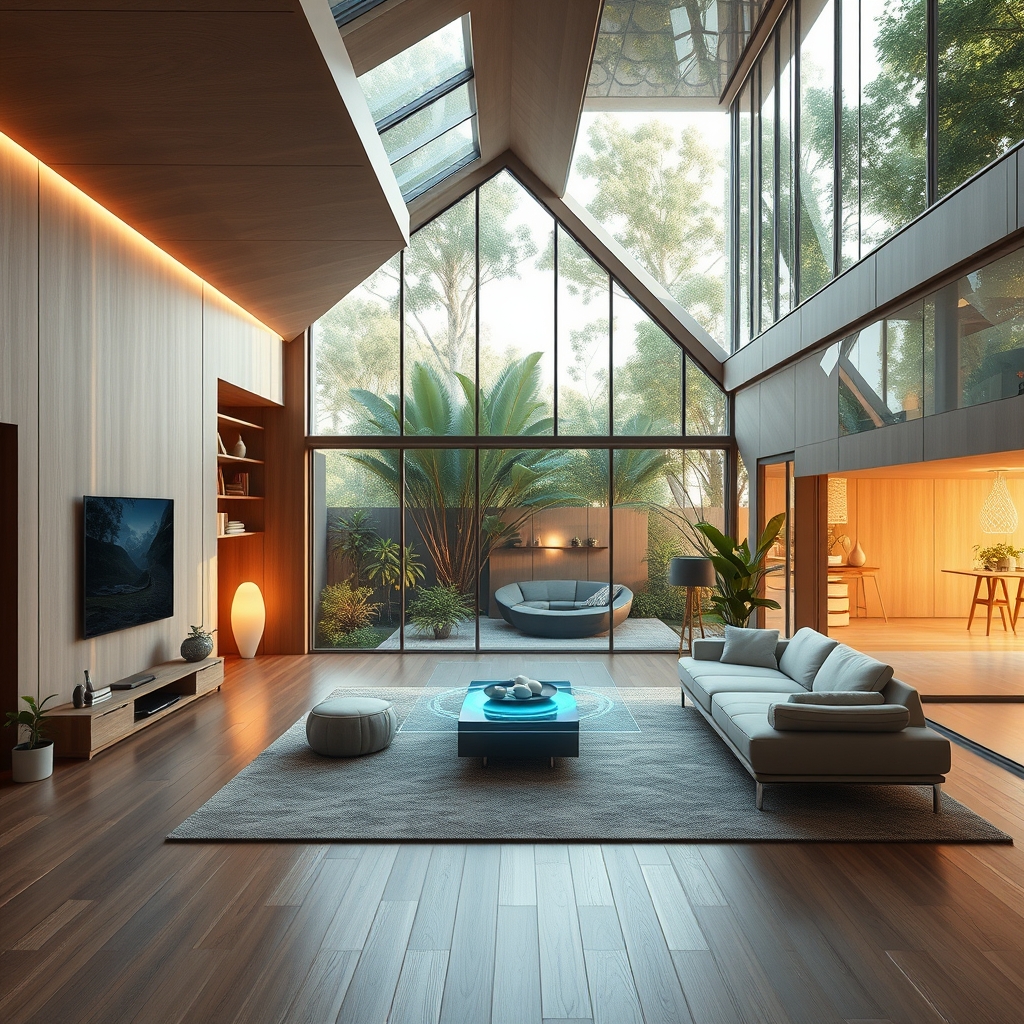
Imagine stepping into a home that doesn’t just respond to your needs but anticipates them—adjusting lighting, temperature, and even spatial configurations before you consciously realize what you require. This isn’t a scene from a futuristic film; it’s the emerging reality of adaptive living spaces, where technology and design converge to create environments that evolve alongside their inhabitants. At the heart of this transformation lies digital twin interior modeling, a revolutionary approach that is redefining how we conceptualize, design, and interact with our living spaces.
The Digital Twin: A Mirror of Possibility
A digital twin is a virtual replica of a physical space, meticulously crafted to simulate its real-world counterpart in every detail. In the realm of interior design, this means creating a dynamic, data-driven model that not only visualizes a space but also predicts how it will function, adapt, and respond to the people who inhabit it. Unlike traditional 3D modeling, which offers static representations, digital twins are alive—continuously updated with real-time data from sensors, user interactions, and environmental changes.
For designers and homeowners, this technology unlocks unprecedented levels of precision and personalization. Need to test how a room will feel with different furniture arrangements? A digital twin allows you to experiment in a risk-free virtual environment. Curious about how natural light will shift throughout the day? The model can simulate it with accuracy. But the true magic lies in its ability to learn. By integrating smart home experience design and machine learning, digital twins can analyze patterns in how a space is used and suggest optimizations—whether it’s rearranging a layout for better flow or adjusting lighting to enhance mood.
Bridging the Gap Between Vision and Reality
One of the most significant challenges in interior design has always been the gap between imagination and execution. Clients often struggle to visualize how a space will look and feel until it’s fully realized, leading to costly revisions and unmet expectations. Digital twin modeling bridges this gap by offering an immersive, interactive experience that allows users to step inside their future home before a single piece of furniture is moved.
This technology is particularly transformative for human-centric architecture, where the focus is on creating spaces that align with the emotional and psychological needs of their occupants. For example, a digital twin can simulate how a room’s acoustics will affect its ambiance or how the placement of windows will influence circadian rhythms. By providing these insights upfront, designers can make informed decisions that prioritize wellness-focused home design, ensuring that every element—from material selection to spatial layout—contributes to a harmonious living experience.
The Power of Co-Creation
Digital twin modeling isn’t just a tool for professionals; it’s a catalyst for co-creative design processes. In traditional design workflows, clients often feel like passive participants, relying on designers to interpret their vision. With digital twins, the process becomes collaborative. Homeowners can interact with the model in real time, testing different configurations, materials, and even color palettes to see how they resonate with their lifestyle and aesthetic preferences.
This level of engagement fosters a deeper connection between people and their spaces. When individuals are actively involved in shaping their environment, the result is a home that feels truly personalized—not just in appearance but in function. For instance, a family with young children might use a digital twin to design a playroom that can seamlessly transform into a study area as their kids grow. A couple working from home could experiment with layouts that balance productivity and relaxation, ensuring their space adapts to their evolving needs.
Sustainability Meets Adaptability
In an era where sustainability is no longer optional, digital twin modeling offers a powerful way to minimize waste and maximize efficiency. By simulating how a space will be used over time, designers can identify opportunities to reduce energy consumption, optimize material usage, and even extend the lifespan of a home’s design. For example, a digital twin might reveal that a particular layout leads to excessive heating or cooling costs, prompting adjustments that improve energy efficiency without sacrificing comfort.
Moreover, digital twins enable flexible living solutions that can evolve with changing circumstances. A home designed with adaptability in mind might include modular furniture, movable walls, or multi-functional spaces that can serve different purposes at different times. By testing these configurations in a virtual environment, homeowners can ensure their space remains functional and relevant for years to come, reducing the need for costly renovations.
The Emotional Dimension of Space
While technology drives the functionality of digital twin modeling, its most profound impact may be on the emotional resonance of our living spaces. A home is more than a collection of rooms; it’s a sanctuary that shapes our moods, behaviors, and sense of well-being. Digital twins allow designers to go beyond aesthetics and functionality, crafting environments that nurture the psychological and emotional needs of their occupants.
For instance, a digital twin can simulate how different lighting scenarios affect the ambiance of a room, helping designers create spaces that evoke calm, energy, or focus as needed. It can also analyze how spatial layouts influence social interactions, ensuring that communal areas foster connection while private spaces offer retreat. By integrating principles of biophilic design—such as natural materials, greenery, and views of the outdoors—digital twins can even help designers create homes that reconnect occupants with nature, enhancing mental and emotional well-being.
The future of home design isn’t just about creating beautiful spaces; it’s about crafting environments that understand and adapt to the people who live in them. Digital twin interior modeling is at the forefront of this shift, offering a glimpse into a world where our homes are as dynamic and responsive as we are. As this technology continues to evolve, it will blur the lines between the physical and digital, transforming our living spaces into living, breathing entities that grow and change alongside us. In this new era of design, the home is no longer a static structure but a partner in our daily lives—one that listens, learns, and evolves to meet our deepest needs.



