
The Language of Space: How Holistic Room Layouts Speak to the Subconscious Mind
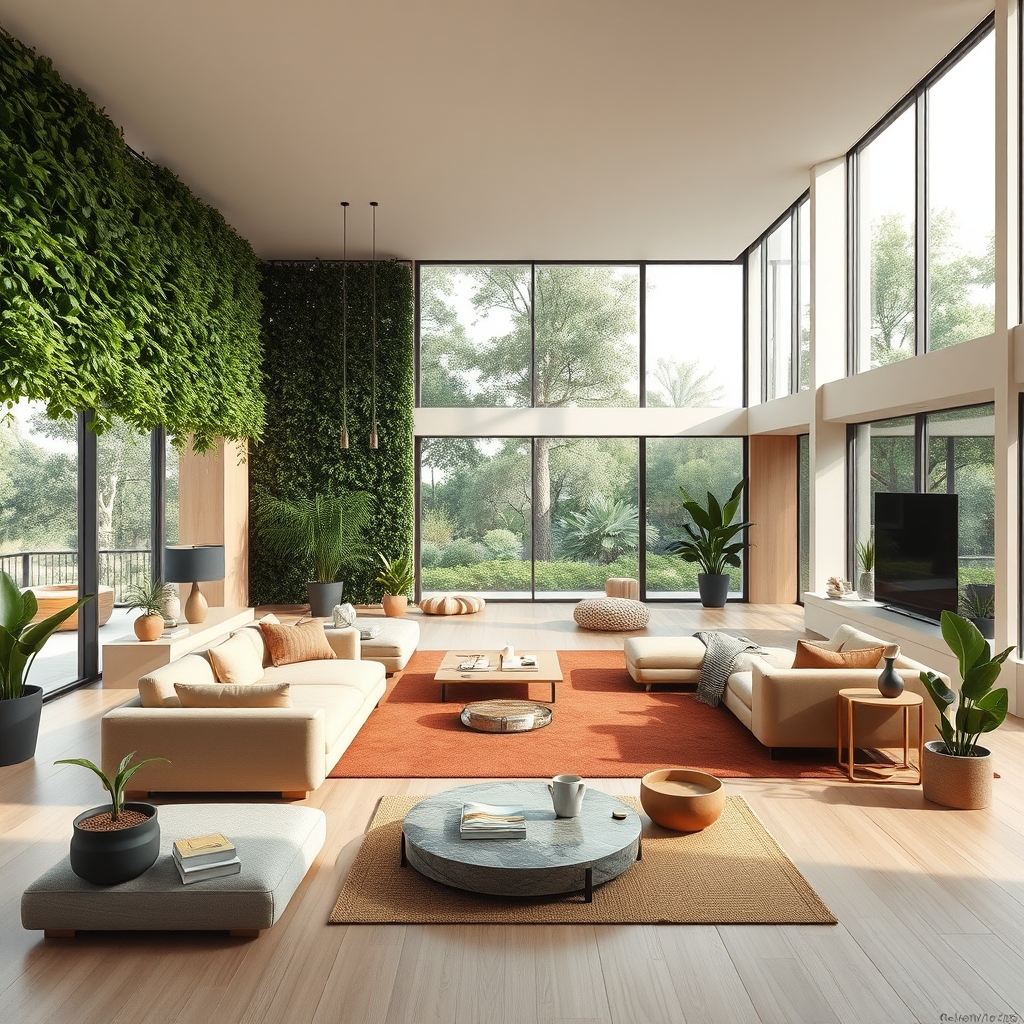
Imagine walking into a room where every element feels intuitively placed, as if the space itself understands your needs before you do. The air circulates gently, natural light bathes the surfaces in a warm glow, and the arrangement of furniture invites movement rather than restricts it. This is the essence of holistic room layouts—a design philosophy that transcends mere aesthetics to engage the subconscious mind, fostering a sense of harmony, balance, and well-being.
The Science Behind Spatial Perception
Our brains are wired to interpret space in ways that go far beyond visual appeal. Studies in environmental psychology reveal that the layout of a room can influence our mood, productivity, and even our physiological responses. For instance, open floor plans with clear sightlines can evoke feelings of freedom and creativity, while cozy nooks with defined boundaries provide a sense of security and introspection. The key lies in understanding how spatial configurations interact with our cognitive and emotional processes.
Researchers have found that the brain processes spatial information in a hierarchical manner, starting with broad strokes—such as the overall shape and size of a room—before honing in on finer details like textures, colors, and furnishings. This means that the foundational layout of a space sets the tone for how we experience it. A well-designed room doesn’t just look good; it feels right on a subconscious level, aligning with our innate preferences for proportion, symmetry, and flow.
The Role of Flow and Functionality
One of the most critical aspects of holistic room layouts is the concept of flow—the seamless movement through a space that feels both natural and effortless. Flow is not just about physical navigation; it’s about creating a rhythm that guides the occupant’s experience. For example, a living room designed with a central focal point, such as a fireplace or a piece of art, draws the eye and encourages social interaction. Meanwhile, pathways that allow for easy circulation prevent the space from feeling cluttered or chaotic.
Functionality plays an equally vital role. A room that serves multiple purposes—such as a home office that doubles as a guest room—must be designed with adaptability in mind. Flexible furniture, modular storage solutions, and multipurpose zones ensure that the space evolves with the needs of its occupants. This approach not only maximizes utility but also reduces the cognitive load of navigating a rigid, single-purpose environment.
Biophilic Design: Bringing Nature Indoors
No discussion of holistic room layouts would be complete without addressing biophilic design, the practice of integrating natural elements into interior spaces. Humans have an innate connection to nature, and incorporating features like indoor plants, natural materials, and views of greenery can significantly enhance well-being. Biophilic design goes beyond aesthetics; it taps into our evolutionary preference for environments that support survival and comfort.
For instance, a room with large windows that frame a garden or a courtyard can reduce stress and improve mood by providing a visual connection to the outdoors. Similarly, the use of wood, stone, and other organic materials can evoke a sense of warmth and grounding. Even the strategic placement of water features, such as a small indoor fountain, can introduce soothing auditory elements that contribute to a holistic sensory experience.
The Psychology of Proportion and Scale
Proportion and scale are often overlooked in interior design, yet they are fundamental to creating spaces that feel balanced and harmonious. The golden ratio, a mathematical principle found in nature and classical architecture, is frequently used to achieve visually pleasing proportions. When applied to room layouts, it can create a sense of order and tranquility that resonates with the subconscious mind.
Scale, on the other hand, refers to the relationship between objects and the space they occupy. A room with oversized furniture can feel oppressive, while one with pieces that are too small may seem disjointed. The key is to strike a balance, ensuring that each element complements the others and contributes to the overall harmony of the space. This attention to detail can make the difference between a room that feels merely functional and one that feels truly transformative.
Personalization: The Soul of Holistic Design
While principles like flow, functionality, and proportion provide a framework for holistic room layouts, personalization is what breathes life into a space. A home should reflect the identity, values, and lifestyle of its occupants, and this requires a deep understanding of their unique needs and preferences. Co-creative design processes, where designers collaborate closely with clients, can uncover insights that might otherwise be overlooked.
For example, a family with young children might prioritize durability and easy maintenance, while a creative professional may seek spaces that inspire innovation and focus. Personalized design also extends to cultural and emotional narratives, such as incorporating heirlooms, artwork, or color palettes that hold special meaning. These elements transform a house into a home, creating an environment that nurtures the soul as much as the body.
As we continue to navigate the complexities of modern life, the spaces we inhabit play an increasingly vital role in our overall well-being. Holistic room layouts offer more than just a place to live; they provide a sanctuary that speaks to the subconscious, fostering balance, harmony, and a deep sense of belonging. By embracing the principles of flow, functionality, biophilic design, and personalization, we can create environments that not only meet our physical needs but also nourish our emotional and psychological selves, making every moment spent within them a step toward greater well-being.



