
The Living Canvas: Crafting Homes That Breathe and Respond
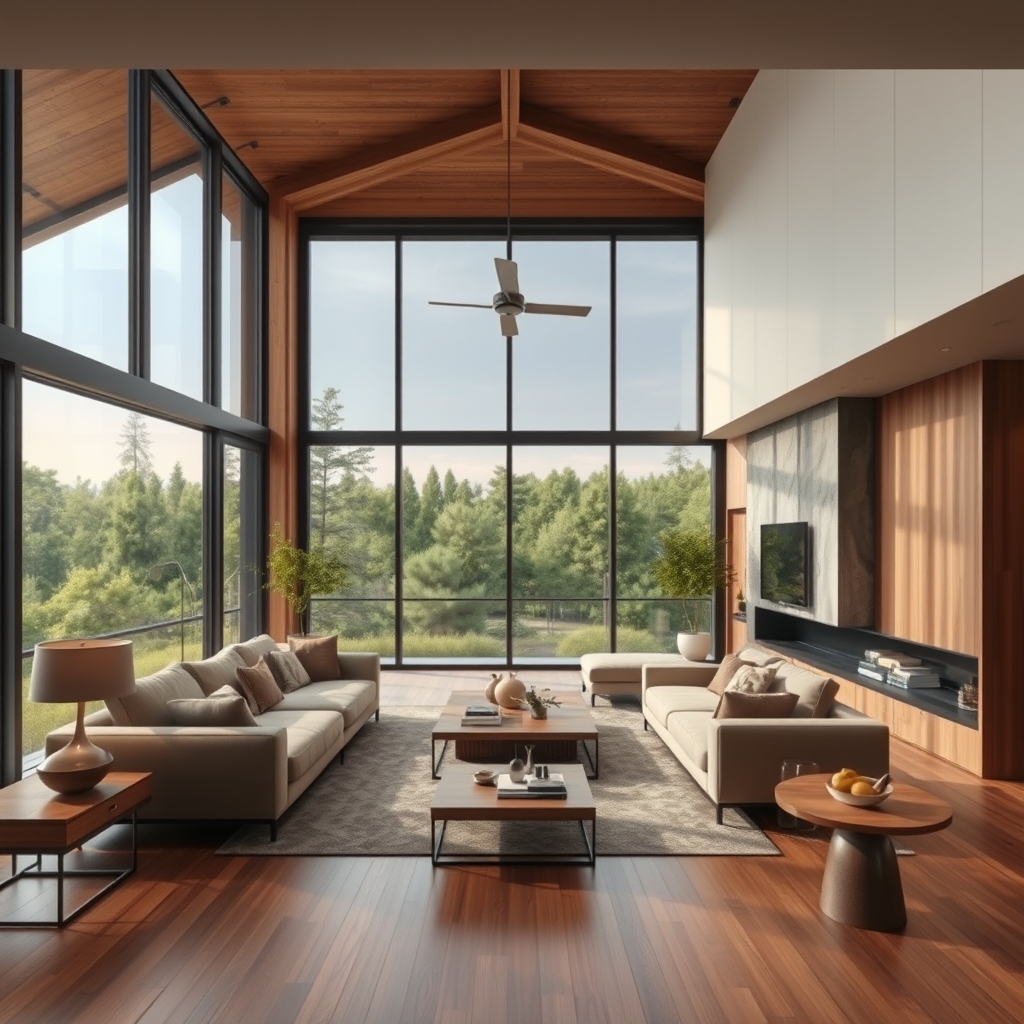
In the realm of interior design, there’s a growing emphasis on creating spaces that are not just aesthetically pleasing but also emotionally resonant and functionally adaptive. This approach, often referred to as immersive spatial design, seeks to craft environments that respond to the needs and emotions of their inhabitants. It’s a holistic approach that integrates sensory interior environments, human-centric architecture, and adaptive living spaces to create a living canvas that evolves with its occupants.
Immersive Spatial Design: A New Paradigm
Immersive spatial design is a concept that transcends traditional interior design. It’s about creating environments that engage all the senses, evoke emotions, and adapt to the needs of the people who live in them. This approach is rooted in the understanding that our homes are not just physical spaces but also emotional landscapes. They should be able to respond to our moods, our activities, and our evolving needs.
Sensory Interior Environments
Sensory interior environments are a key component of immersive spatial design. They aim to create spaces that stimulate the senses, from the visual and auditory to the tactile and olfactory. For instance, a room designed with biophilic elements can evoke a sense of calm and connection to nature, while a room with a rich color palette and varied textures can create a stimulating and engaging environment.
Human-Centric Architecture
Human-centric architecture is another crucial aspect of immersive spatial design. It’s about creating spaces that are designed with the human experience in mind. This includes considering factors such as the natural movement of the body, the way people interact with their environment, and the psychological impact of the space on the occupants. The goal is to create spaces that feel intuitive, comfortable, and empowering.
Adaptive Living Spaces
Adaptive living spaces are environments that can change and evolve to meet the needs of their inhabitants. This could be through the use of flexible furniture, modular design, or smart technology that responds to the occupants’ needs. The idea is to create spaces that can grow and change with the people who live in them, rather than becoming static and outdated.
Crafting a Living Canvas
Crafting a living canvas is about creating a space that is not just a collection of objects but a dynamic, evolving entity. It’s about integrating sensory interior environments, human-centric architecture, and adaptive living spaces to create a space that is responsive, engaging, and emotionally resonant. This approach requires a deep understanding of the people who will inhabit the space, as well as a commitment to continuous design and adaptation.
Personalized Interior Concepts
Personalized interior concepts are a key part of creating a living canvas. They involve tailoring the space to the unique needs, preferences, and lifestyles of the occupants. This could involve everything from the layout of the space to the choice of materials, colors, and furniture. The goal is to create a space that feels like a true extension of the occupants’ personalities and lifestyles.
Sustainable Home Styling
Sustainable home styling is another important consideration in creating a living canvas. It’s about choosing materials and finishes that are not only aesthetically pleasing but also environmentally responsible. This could involve the use of recycled materials, natural finishes, or energy-efficient technologies. The goal is to create a space that is both beautiful and sustainable, reducing the environmental impact of the home.
Interactive Interior Planning
Interactive interior planning is about creating a space that is not just a static entity but a dynamic, evolving one. This could involve the use of smart technology that responds to the occupants’ needs, or the integration of flexible design elements that can be easily reconfigured. The goal is to create a space that can adapt and evolve with the occupants, rather than becoming static and outdated.
In conclusion, the living canvas is a powerful concept that has the potential to transform our homes into spaces that are not just beautiful but also emotionally resonant, functionally adaptive, and deeply personalized. It’s a vision of interior design that is rooted in the understanding that our homes are not just physical spaces but also emotional landscapes, and that they should be able to respond to our needs, our emotions, and our evolving lifestyles. It’s a vision that has the potential to create a new paradigm in interior design, one that is truly immersive, spatial, and human-centric.



