
The Living Tapestry: Crafting Homes That Weave Emotion and Function
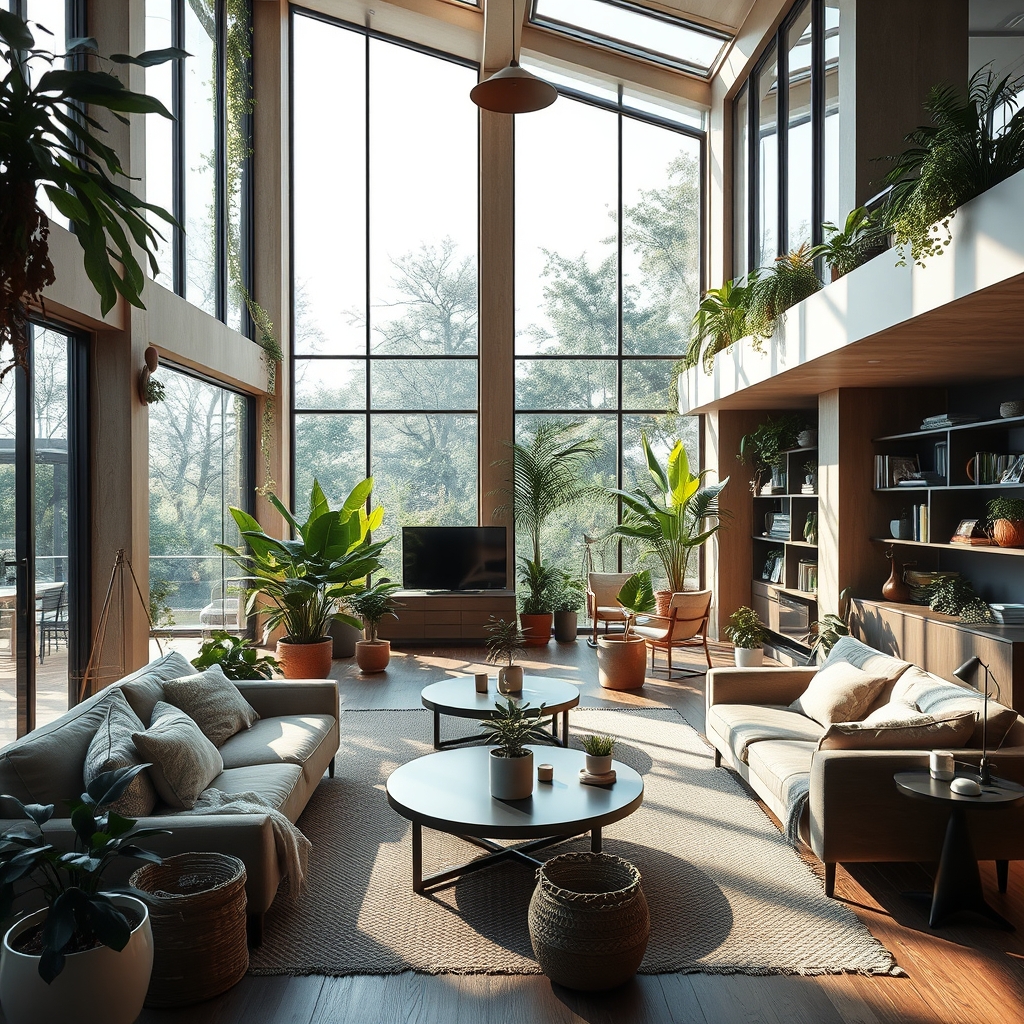
In the realm of interior design, there exists a fascinating intersection where emotion and function converge to create spaces that are not just visually appealing but also emotionally resonant. This is the essence of immersive spatial design, a concept that goes beyond aesthetics to create environments that harmonize with the human experience.
Immersive Spatial Design: A Symphony of Emotion and Function
Immersive spatial design is an approach that focuses on creating environments that engage all the senses. It’s about crafting spaces that are not just visually stunning but also tactile, auditory, and olfactory. This holistic approach to design ensures that every element of a space, from the materials used to the lighting and the layout, contributes to a cohesive and immersive experience.
Sensory Interior Environments: The Art of Engagement
Sensory interior environments are at the heart of immersive spatial design. These environments are designed to stimulate the senses, creating a multi-dimensional experience that goes beyond the visual. For instance, the use of natural materials like wood and stone can evoke a sense of touch, while the sound of flowing water or the rustle of leaves can create an auditory experience that enhances the overall ambiance.
Human-Centric Architecture: Designing for the Human Experience
Human-centric architecture is another key aspect of immersive spatial design. It’s about creating spaces that are intuitive, comfortable, and functional. This approach involves understanding the needs and behaviors of the people who will inhabit the space, and designing accordingly. For example, the layout of a kitchen can be designed to facilitate natural movement and interaction, while also incorporating elements that promote a sense of well-being.
Adaptive Living Spaces: The Dance of Emotion and Function
Adaptive living spaces are designed to evolve with the needs and preferences of their inhabitants. This is particularly relevant in today’s fast-paced world, where lifestyles and preferences are constantly changing. Adaptive spaces can be as simple as a room that can be easily reconfigured, or as complex as a smart home that learns and responds to the habits and preferences of its occupants.
Biophilic Design Integration: The Language of Nature
Biophilic design integration is a powerful tool in the creation of immersive spatial environments. It involves incorporating elements of nature into the design, such as natural light, plants, and natural materials. This not only enhances the aesthetic appeal of a space but also has a positive impact on the health and well-being of its occupants. For instance, the presence of plants can improve air quality and reduce stress, while natural light can boost mood and productivity.
Personalized Interior Concepts: The Art of Individuality
Personalized interior concepts are about creating spaces that reflect the unique personalities and lifestyles of their inhabitants. This involves a deep understanding of the individual, their preferences, and their needs. It’s about creating a space that feels like a true extension of the self, a place where one can be truly themselves.
Sustainable Home Styling: The Harmony of Form and Function
Sustainable home styling is an approach that combines functionality with environmental responsibility. It’s about creating spaces that are not only beautiful and comfortable but also eco-friendly. This involves the use of sustainable materials, energy-efficient appliances, and designs that promote a sense of well-being and harmony with nature.
Interactive Interior Planning: The Power of Participation
Interactive interior planning is a collaborative approach to design that involves the active participation of the inhabitants. This can involve a range of activities, from co-creating mood boards to actively participating in the design process. This not only ensures that the final design meets the needs and preferences of the inhabitants but also fosters a sense of ownership and pride.
Psychological Space Optimization: The Art of Emotional Design
Psychological space optimization is about creating environments that have a positive impact on the emotional well-being of their inhabitants. This involves understanding the psychological effects of different design elements, and using this knowledge to create spaces that promote a sense of calm, comfort, and well-being. For instance, the use of certain colors can evoke different emotions, while the layout of a space can influence the way we move and interact with it.
In conclusion, immersive spatial design is a powerful tool for creating spaces that are not just functional but also emotionally resonant. It’s about creating environments that engage all the senses, that are intuitive and comfortable, and that evolve with the needs and preferences of their inhabitants. It’s about creating spaces that are a true reflection of who we are, a place where we can be ourselves and thrive.



