
The Living Alchemy: Crafting Homes That Harmonize Mind, Body, and Space
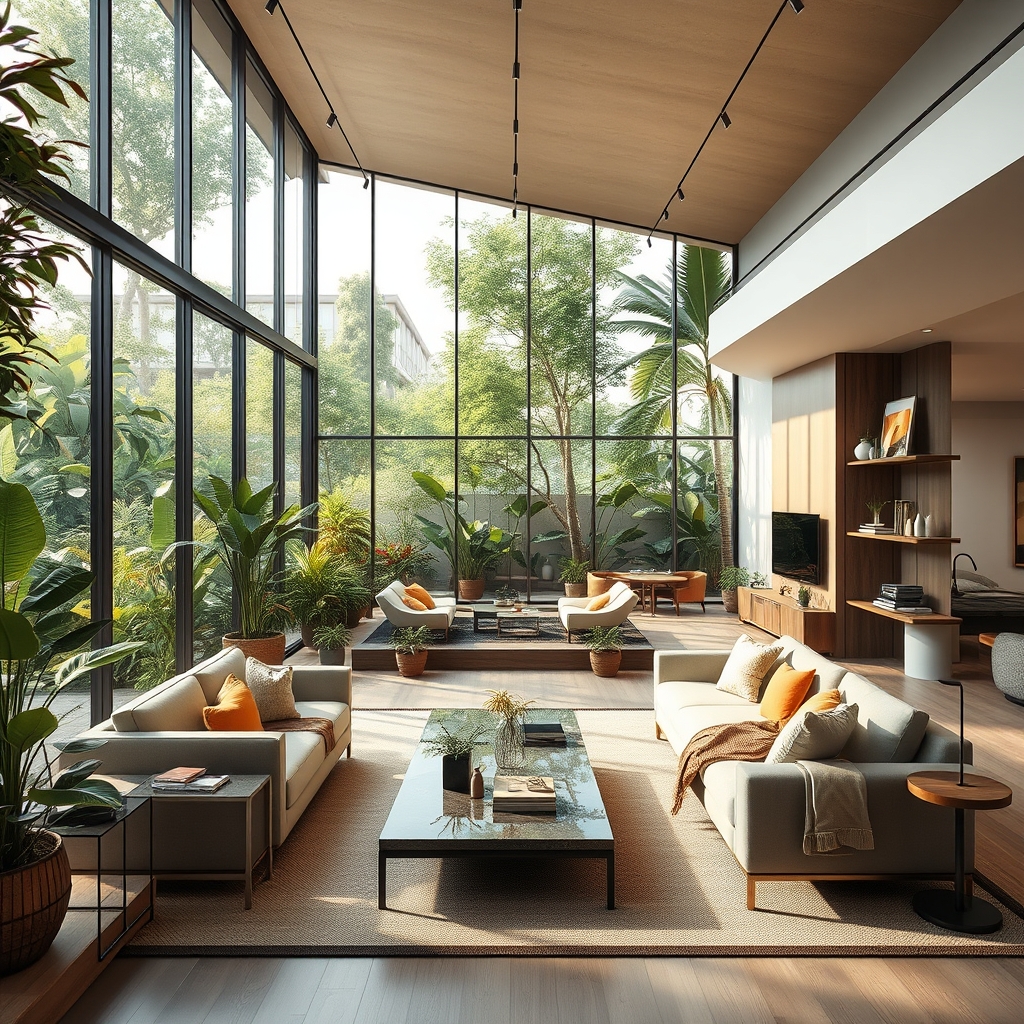
In the realm of architecture and interior design, there exists a fascinating intersection where the physical and the emotional converge. This is the domain of Immersive Spatial Design, a discipline that seeks to create environments that not only function as spaces but also as experiences. It’s about crafting homes that dance with human emotion, where every element is a note in the symphony of daily life.
Sensory Interior Environments
At the heart of Immersive Spatial Design lies the concept of Sensory Interior Environments. These are spaces that engage all the senses, from the tactile feel of materials to the visual appeal of colors and textures. A well-designed sensory environment can evoke a range of emotions, from calm and tranquility to excitement and energy. For instance, a living room with plush textiles and warm lighting can create a cozy, inviting atmosphere, perfect for relaxation and socializing.
Human Centric Architecture
Human Centric Architecture is another key aspect of Immersive Spatial Design. It’s about designing spaces that are centered around the needs, behaviors, and preferences of the people who will inhabit them. This could involve creating spaces that facilitate specific activities, such as a home office for remote work, or a dedicated area for hobbies and interests. It’s also about considering the psychological impact of space on human behavior and well-being.
Adaptive Living Spaces
Adaptive Living Spaces are designed to evolve and change with the needs and preferences of their inhabitants. These spaces can be reconfigured to suit different activities or occasions, from a cozy reading nook to a lively entertainment area. They are about creating flexibility and versatility in the home, allowing it to adapt to the changing rhythms of life.
Biophilic Design Integration
Biophilic Design Integration is the practice of incorporating elements of nature into the built environment. This could involve bringing the outdoors in through large windows and indoor plants, or creating spaces that mimic natural environments, such as a forest or a beach. Biophilic design has been shown to have a range of benefits, from improving mental health and well-being to enhancing productivity and creativity.
Personalized Interior Concepts
Personalized Interior Concepts are about creating spaces that reflect the unique personalities, tastes, and lifestyles of their inhabitants. This could involve selecting materials, colors, and furniture that resonate with the individual, or creating spaces that serve specific functions, such as a home gym or a meditation retreat. It’s about making the home a true extension of the self.
Sustainable Home Styling
Sustainable Home Styling is about creating spaces that are not only beautiful and functional but also environmentally responsible. This could involve using eco-friendly materials, such as bamboo or reclaimed wood, or incorporating energy-efficient features, such as solar panels or smart thermostats. It’s about creating a home that is as kind to the planet as it is to its inhabitants.
Interactive Interior Planning
Interactive Interior Planning is about creating spaces that are not just static but also dynamic and engaging. This could involve incorporating interactive elements, such as touch-sensitive walls or responsive lighting, or creating spaces that encourage interaction and socialization, such as a shared kitchen or a communal living area. It’s about making the home a place where people can come together and connect.
Psychological Space Optimization
Psychological Space Optimization is about creating spaces that have a positive impact on the psychological well-being of their inhabitants. This could involve designing spaces that promote relaxation and tranquility, such as a serene bedroom or a peaceful bathroom, or creating spaces that stimulate the mind and inspire creativity, such as a home office or a dedicated workspace. It’s about making the home a sanctuary where people can find solace, inspiration, and fulfillment.
Digital Twin Interior Modeling
Digital Twin Interior Modeling is a cutting-edge approach to interior design that involves creating a virtual replica of a space. This digital twin can be used to test and visualize different design concepts, materials, and layouts before they are implemented in the physical space. It’s about using technology to enhance the design process and create spaces that are not only beautiful and functional but also optimized for performance and efficiency.
Wellness Focused Home Design
Wellness Focused Home Design is about creating spaces that promote health, well-being, and vitality. This could involve designing spaces that facilitate physical activity, such as a home gym or a yoga studio, or creating spaces that promote relaxation and stress relief, such as a spa-like bathroom or a serene meditation room. It’s about making the home a place where people can nurture their bodies, minds, and spirits.
Emotionally Resonant Interiors
Emotionally Resonant Interiors are spaces that evoke a range of emotions and memories, creating a sense of connection and belonging. This could involve incorporating personal mementos and artifacts into the design, or creating spaces that tell a story or evoke a particular atmosphere. It’s about making the home a place where people can find meaning, inspiration, and comfort.
In conclusion, Immersive Spatial Design is about more than just creating beautiful and functional spaces. It’s about crafting homes that harmonize mind, body, and space, creating environments that are not only aesthetically pleasing but also emotionally resonant and psychologically enriching. It’s about making the home a true reflection of who we are, a sanctuary where we can find solace, inspiration, and fulfillment. In the end, it’s about creating spaces that not only house us but also nourish us, uplift us, and inspire us.



