
The Invisible Dialogue: How Human-Centric Architecture Shapes Our Emotional Landscape
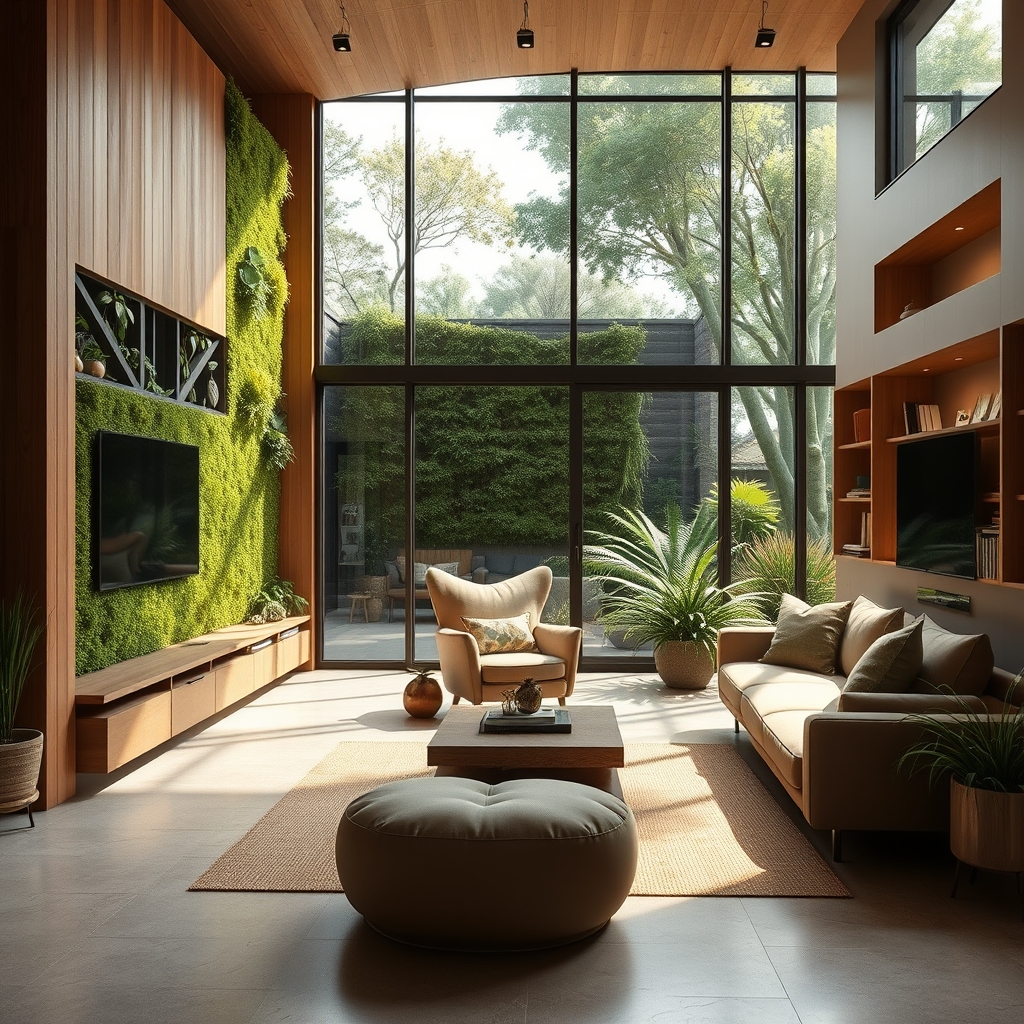
Imagine stepping into a room where the air feels lighter, the colors seem to whisper, and every corner invites you to linger. This is not an accident—it is the result of human-centric architecture, a design philosophy that places the emotional and psychological needs of occupants at the heart of spatial creation. Unlike traditional design, which often prioritizes aesthetics or functionality alone, human-centric architecture weaves together form, function, and feeling to craft spaces that resonate on a deeply personal level. It is the difference between a house that shelters and a home that nurtures.
The Science of Emotional Resonance
At its core, human-centric architecture is rooted in the understanding that our surroundings shape our emotions, behaviors, and even our cognitive functions. Studies in environmental psychology have shown that factors like natural light, spatial flow, and material textures can influence everything from stress levels to creativity. For instance, a study published in the Journal of Environmental Psychology found that rooms with ample natural light and views of nature can reduce cortisol levels, the hormone associated with stress, by up to 20%. This is not merely about adding a few plants or large windows—it is about designing spaces that actively support mental well-being.
Take, for example, the concept of “prospect and refuge,” a theory developed by environmental psychologist Jay Appleton. It suggests that humans are instinctively drawn to spaces that offer both a vantage point (prospect) and a sense of safety (refuge). This principle is evident in modern home designs that incorporate open living areas with panoramic views while also providing cozy nooks or alcoves for retreat. Such layouts do more than please the eye—they create a dynamic interplay between engagement and comfort, allowing occupants to feel both connected and protected.
The Role of Adaptive Living Spaces
Human-centric architecture is not static; it evolves with the people who inhabit it. Adaptive living spaces are a cornerstone of this philosophy, offering flexibility that accommodates changing needs, lifestyles, and even moods. Imagine a living room that can transform from a quiet reading retreat into a vibrant social hub with the simple adjustment of modular furniture or sliding partitions. These spaces are designed to be intuitive, responding to the rhythms of daily life rather than dictating them.
Technology plays a pivotal role in this adaptability. Smart home systems, for instance, can adjust lighting, temperature, and even acoustics based on the time of day or the activities taking place. A morning yoga session might trigger soft, warm lighting and gentle background music, while an evening gathering could shift the ambiance to a more energetic tone. These subtle adjustments create an environment that feels alive, almost as if the space itself is in conversation with its occupants.
Biophilic Design: Bridging Nature and Nurture
One of the most compelling aspects of human-centric architecture is its integration of biophilic design, which seeks to reconnect people with the natural world. This goes beyond adding potted plants or wooden accents—it is about creating a multisensory experience that evokes the tranquility and vitality of nature. Think of a bathroom with a living wall of moss, where the scent of damp earth mingles with the sound of trickling water, or a bedroom where the gentle rustle of bamboo leaves outside the window lulls you to sleep.
Research has shown that biophilic elements can improve concentration, enhance mood, and even accelerate healing. A study conducted by the University of Exeter found that employees working in offices with natural elements reported a 15% increase in well-being and a 6% boost in productivity. When applied to residential spaces, these principles can transform a home into a sanctuary that not only looks beautiful but also feels restorative.
Personalization: The Heart of Human-Centric Design
No two people experience space in the same way, which is why personalization is a key tenet of human-centric architecture. This approach moves beyond generic templates to create environments that reflect the unique identities, values, and routines of their inhabitants. It might involve designing a kitchen with adjustable countertops for a family with members of different heights, or incorporating a meditation corner with calming colors and textures for someone who practices mindfulness.
Co-creative design processes are often employed to achieve this level of personalization. These processes involve collaboration between designers and occupants, ensuring that the final space is not just a reflection of the designer’s vision but a true extension of the people who live there. This can be as simple as involving clients in material selection or as in-depth as using digital twin modeling to simulate how different layouts might feel before they are built. The result is a space that feels authentically yours—not just a showpiece, but a living, breathing part of your life.
The Future of Conscious Material Selection
Materials are the building blocks of human-centric architecture, and their selection is a deliberate act of intention. Conscious material selection considers not only aesthetics and durability but also the sensory and emotional impact of each element. For example, the warmth of natural wood can evoke feelings of comfort and stability, while the cool touch of stone might create a sense of grounding. Even the sound of footsteps on a cork floor versus a hardwood one can influence the atmosphere of a room.
Sustainability is another critical factor in material selection. Human-centric architecture recognizes that a home’s impact extends beyond its walls—it is part of a larger ecosystem. Using reclaimed wood, recycled metals, or low-VOC paints not only reduces environmental harm but also contributes to a healthier indoor environment. When materials are chosen with care, they tell a story of responsibility and respect, reinforcing the idea that our homes are not just for us but for the world we inhabit.
Spaces designed with human-centric principles do more than shelter us—they hold us. They listen to our needs, adapt to our rhythms, and reflect our identities in ways that are both subtle and profound. Whether it is the way light filters through a skylight at dawn or the quiet hum of a well-loved armchair, these details create a dialogue between us and our surroundings. It is a conversation that begins the moment we step through the door and continues with every breath we take, reminding us that home is not just a place, but a feeling.



