
The Invisible Canvas: How Personalized Interior Concepts Paint the Story of Who We Are
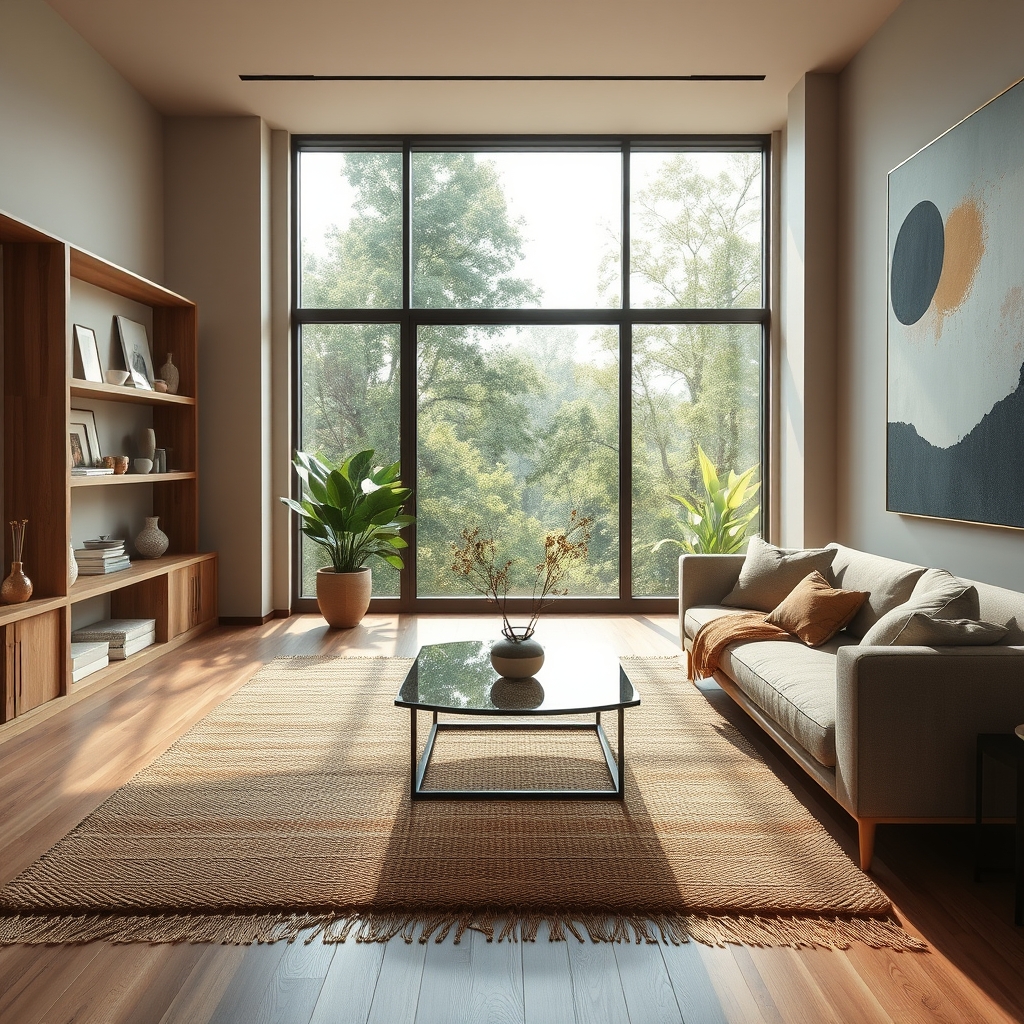
In a world where our lives are increasingly shaped by digital interactions and fleeting trends, the spaces we inhabit have become more than just physical shelters—they are extensions of our identities, reflections of our values, and sanctuaries for our souls. Personalized interior concepts are not merely about aesthetics; they are about crafting environments that resonate with our unique narratives, aspirations, and emotional landscapes. These spaces do not just house our bodies; they cradle our stories, amplify our voices, and evolve alongside us, creating a dynamic dialogue between the self and the surroundings.
The Alchemy of Self-Expression
At the heart of personalized interior design lies the belief that a home should be as individual as the person who lives within it. This philosophy moves beyond the one-size-fits-all approach of mass-produced interiors, instead embracing the idea that every object, color, and texture in a space should serve a purpose—whether functional, emotional, or symbolic. Consider the way a cherished heirloom might find its place on a shelf, not just as decor, but as a tangible connection to one’s heritage. Or how a carefully chosen palette of muted tones might mirror a preference for tranquility, while bold, vibrant hues could reflect a zest for life and creativity.
This level of personalization requires a deep understanding of the inhabitant’s lifestyle, preferences, and even their subconscious desires. It is not enough to simply fill a room with beautiful objects; the true magic happens when those objects are arranged in a way that feels intuitive, almost as if the space itself is an extension of the person’s mind. This is where the principles of human-centric architecture and psychological space optimization come into play, ensuring that every design decision—from the placement of furniture to the flow of natural light—aligns with the inhabitant’s emotional and psychological well-being.
The Dance of Adaptability and Identity
One of the most compelling aspects of personalized interior concepts is their ability to adapt over time. Life is not static, and neither should our living spaces be. Adaptive living spaces are designed to evolve alongside their inhabitants, accommodating changes in lifestyle, family dynamics, or even emotional states. For instance, a young professional’s apartment might prioritize a sleek, minimalist aesthetic that maximizes productivity, while a growing family’s home could incorporate flexible layouts that allow for play, work, and relaxation to coexist harmoniously.
This adaptability is not just about physical flexibility; it is also about emotional resonance. A space that can shift from a serene retreat in the morning to a vibrant social hub in the evening is one that truly understands and responds to the rhythms of human life. Technologies like digital twin interior modeling are making this level of adaptability more accessible than ever, allowing homeowners to visualize and experiment with different layouts, materials, and designs before committing to changes. This co-creative process empowers individuals to take an active role in shaping their environments, fostering a deeper connection between the self and the space.
The Role of Sensory Engagement
Personalized interiors are not just seen; they are felt. Sensory interior environments engage all five senses, creating a multi-dimensional experience that goes beyond visual appeal. The softness of a handwoven rug underfoot, the subtle scent of cedarwood in the air, the gentle hum of a well-placed water feature—these elements work together to create a space that is not just beautiful, but immersive. This sensory engagement is particularly important in today’s fast-paced world, where the home serves as a counterbalance to the overstimulation of modern life.
For example, the integration of biophilic design—which incorporates natural elements like plants, water, and natural light—can have a profound impact on our well-being. Studies have shown that exposure to nature, even in small doses, can reduce stress, improve mood, and enhance cognitive function. By bringing these elements indoors, personalized interiors can create a sense of calm and connection to the natural world, even in the heart of a bustling city.
Sustainability as a Personal Statement
In an era where environmental consciousness is no longer optional, sustainable home styling has become an integral part of personalized interior design. Conscious material selection—such as reclaimed wood, recycled metals, or low-VOC paints—allows homeowners to reduce their environmental footprint while also infusing their spaces with character and authenticity. These choices are not just about aesthetics; they are a reflection of values, a way of aligning one’s living space with a commitment to the planet.
Moreover, sustainability in interior design is not just about the materials used; it is also about creating spaces that are built to last. A well-designed, personalized interior should stand the test of time, both in terms of durability and timeless appeal. This approach challenges the throwaway culture of fast furniture and disposable decor, instead advocating for quality, craftsmanship, and longevity. In doing so, it transforms the home into a legacy—a space that can be passed down through generations, carrying with it the stories and values of those who came before.
The Future of Personalized Interiors
As technology continues to advance, the possibilities for personalized interior design are expanding in exciting new directions. Smart home experience design is making it easier than ever to create spaces that respond to our needs in real time, from adjustable lighting that mimics the natural progression of daylight to climate control systems that learn our preferences and adapt accordingly. These innovations are not just about convenience; they are about creating environments that are truly in tune with their inhabitants, enhancing comfort, efficiency, and well-being.
At the same time, the rise of co-creative design processes is democratizing the world of interior design, making it more accessible and collaborative. Platforms that allow homeowners to work directly with designers, artisans, and even AI-driven tools are breaking down the barriers between professional expertise and personal vision. This shift is empowering individuals to take a more active role in shaping their spaces, resulting in interiors that are not just beautiful, but deeply meaningful.
Yet, for all the technological advancements and design innovations, the true essence of personalized interiors lies in their ability to tell a story. A home is not just a collection of objects and materials; it is a living, breathing entity that evolves alongside its inhabitants. It is a canvas upon which we paint the chapters of our lives, a sanctuary where we find solace, inspiration, and connection. In a world that often feels fragmented and impersonal, these spaces remind us of what it means to be truly at home—not just in a house, but within ourselves.



