The Future of Home Design: Integrating Wellness and Technology for Holistic Living Spaces
The modern home is no longer just a place of shelter; it has evolved into a sanctuary that nurtures well-being, fosters creativity, and seamlessly integrates technology. As our lives become increasingly fast-paced and digitally connected, the demand for homes that prioritize wellness alongside innovation has never been greater. This shift is redefining how we approach home design, blending cutting-edge technology with mindful living to create spaces that are as healthy as they are intelligent.
The Intersection of Wellness and Technology
Wellness-focused home design goes beyond aesthetics—it encompasses air quality, lighting, acoustics, and even the psychological impact of space. Smart home technology plays a pivotal role in this evolution, offering solutions that enhance comfort, convenience, and health. For instance, advanced air purification systems can monitor and filter pollutants, while circadian lighting adjusts color temperatures to mimic natural daylight, promoting better sleep and mood regulation. These innovations are not just luxuries; they are becoming essential components of modern living.
Voice-activated assistants, automated shading systems, and smart thermostats further contribute to a home environment that adapts to its occupants’ needs. Imagine waking up to a home that gradually brightens, adjusts the temperature to your preference, and even brews your coffee—all while ensuring optimal air quality and energy efficiency. This level of integration is no longer a futuristic fantasy but a tangible reality for homeowners who prioritize wellness and technology.
Biophilic Design: Bringing Nature Indoors
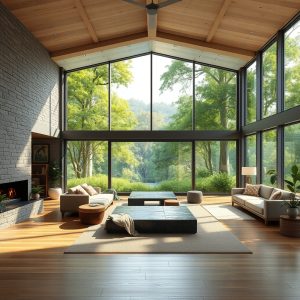
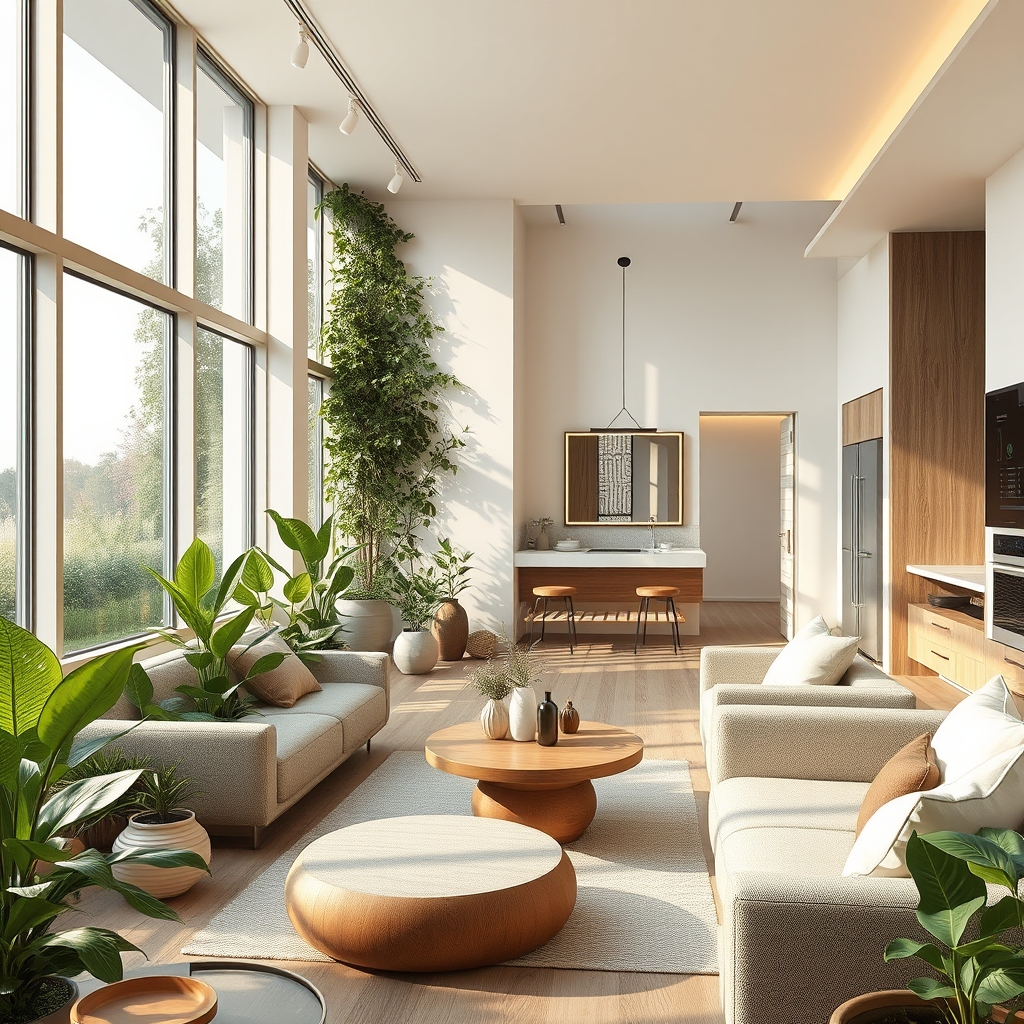
Another key trend in wellness-centric home design is biophilic design, which seeks to connect occupants with nature. This approach incorporates natural elements such as indoor plants, water features, and organic materials like wood and stone. Large windows and skylights are strategically placed to maximize natural light, reducing reliance on artificial lighting and fostering a sense of openness. Studies have shown that biophilic design can lower stress levels, improve cognitive function, and enhance overall well-being.
Incorporating greenery into home interiors is more than just a decorative choice; it’s a functional one. Plants like snake plants, spider plants, and peace lilies are known for their air-purifying qualities, removing toxins and improving indoor air quality. Vertical gardens and living walls are also gaining popularity, especially in urban homes where outdoor space is limited. These features not only add visual interest but also create a calming, rejuvenating atmosphere.
Smart Kitchens and Bathrooms: The Heart of Wellness
The kitchen and bathroom are two areas where wellness and technology intersect most dramatically. Smart kitchens are equipped with appliances that promote healthier cooking, such as induction cooktops that reduce indoor air pollution and refrigerators that track food freshness. Some advanced models even suggest recipes based on dietary preferences and nutritional needs, making it easier to maintain a balanced lifestyle.
Bathrooms, often considered personal retreats, are being transformed into spa-like sanctuaries. Smart showers with customizable water temperatures and pressure settings, heated floors for added comfort, and mirrors with built-in lighting and defogging features are just a few examples of how technology is elevating the bathroom experience. Additionally, water filtration systems ensure that every drop is clean and safe, further enhancing the wellness aspect of these spaces.
Sustainable Materials and Energy Efficiency
Wellness-focused home design also prioritizes sustainability. The use of eco-friendly materials, such as reclaimed wood, bamboo, and recycled metals, reduces environmental impact while creating a healthier indoor environment. Energy-efficient appliances, solar panels, and smart home systems that monitor and optimize energy usage contribute to a home that is both sustainable and cost-effective.
Passive design strategies, such as strategic window placement for natural ventilation and insulation to maintain consistent indoor temperatures, further enhance energy efficiency. These approaches not only reduce the carbon footprint of a home but also create a more comfortable and healthier living space for its occupants.
Designing for Mental and Emotional Well-Being
The psychological impact of home design is often overlooked, but it plays a crucial role in overall wellness. Clutter-free spaces, calming color palettes, and thoughtful layouts can significantly reduce stress and anxiety. Minimalist design principles, which emphasize simplicity and functionality, are particularly effective in creating serene environments that promote mental clarity.
Incorporating spaces for mindfulness and relaxation, such as meditation nooks, reading corners, or even home gyms, can further enhance emotional well-being. These dedicated areas provide a retreat from the hustle and bustle of daily life, allowing homeowners to recharge and reconnect with themselves. Smart home technology can also support these spaces, with features like ambient lighting and sound systems that create a soothing atmosphere.
As we look to the future, the integration of wellness and technology in home design will continue to evolve. Homes will not only be smarter but also more attuned to the physical, mental, and emotional needs of their occupants. By embracing these trends, homeowners can create spaces that are not just beautiful and functional but also nurturing and transformative. The modern home is no longer just a place to live—it’s a place to thrive, where every detail is designed with well-being in mind, and technology serves as the invisible thread that ties it all together seamlessly.