
The Future of Home Design: Crafting Multi-Sensory Living Spaces for Modern Well-Being
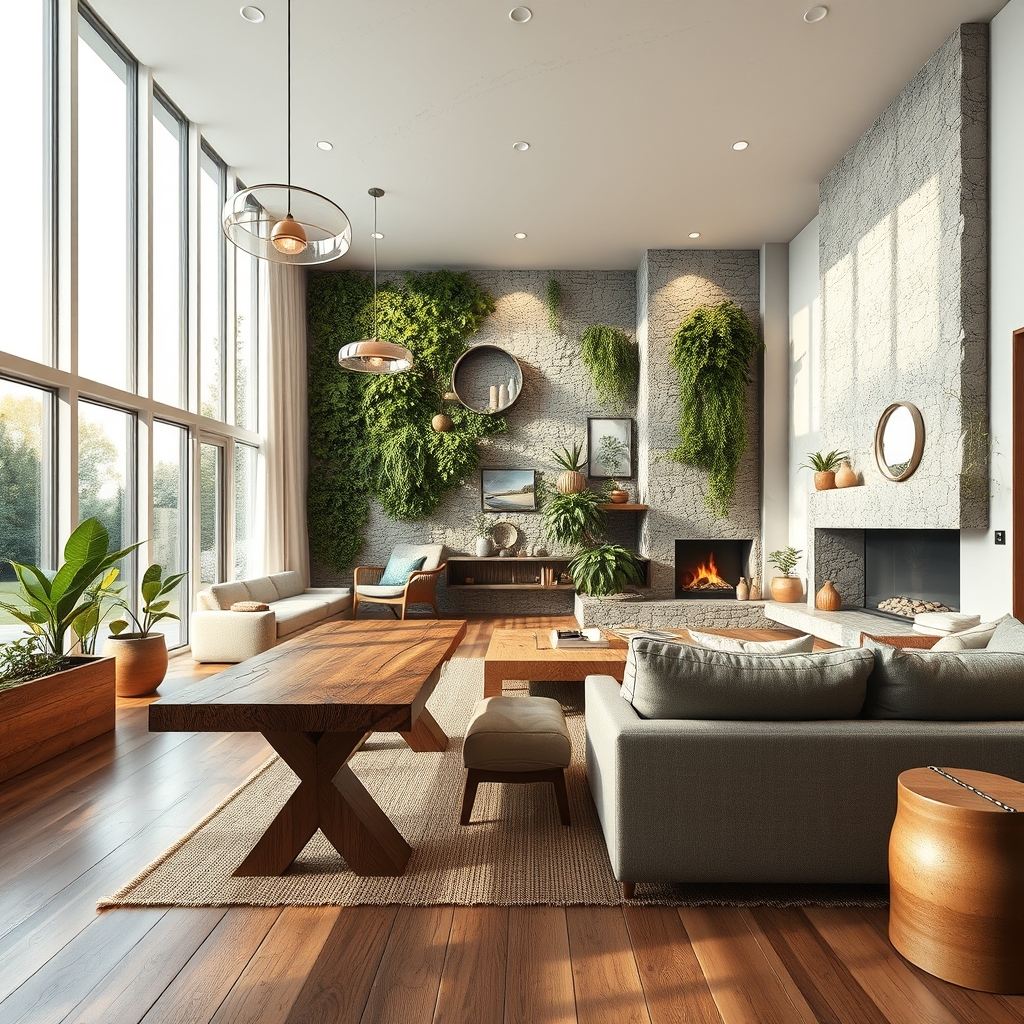
Modern home design is no longer just about aesthetics or functionality—it’s about creating spaces that engage all the senses to enhance well-being, productivity, and emotional balance. As our lives become increasingly fast-paced and digitally driven, the homes we inhabit must evolve into sanctuaries that nourish the mind, body, and soul. This shift toward multi-sensory design is redefining what it means to live in a modern space, blending cutting-edge technology, natural elements, and intentional craftsmanship to create environments that feel as good as they look.
The Philosophy Behind Multi-Sensory Design
Multi-sensory design is rooted in the understanding that our surroundings profoundly impact our mood, cognitive function, and overall health. Research in environmental psychology has shown that factors like lighting, texture, sound, and even scent can influence stress levels, creativity, and focus. Modern home design is now leveraging these insights to craft spaces that don’t just serve a purpose but actively contribute to a higher quality of life.
For example, the strategic use of natural light—through large windows, skylights, or light wells—can regulate circadian rhythms, improving sleep and energy levels. Similarly, incorporating tactile materials like wood, stone, or woven textiles can evoke a sense of warmth and comfort, counteracting the sterile feel of overly minimalist spaces. Even the subtle hum of a well-designed ventilation system or the soft rustle of indoor plants can create a soundscape that soothes the mind.
Integrating Nature for a Calming Effect
One of the most powerful ways to engage the senses is by bringing nature indoors. Biophilic design, which emphasizes the connection between humans and nature, has moved beyond mere trend status to become a cornerstone of modern home design. This approach goes beyond adding a few potted plants; it involves integrating natural elements in ways that create a seamless flow between indoor and outdoor spaces.
Living walls, indoor water features, and large glass doors that open to gardens or courtyards are just a few examples of how biophilic design can transform a home. The sound of flowing water, the scent of fresh greenery, and the visual appeal of natural textures all work together to reduce stress and foster a sense of tranquility. Even in urban settings, where outdoor space may be limited, designers are finding creative ways to incorporate nature through rooftop gardens, balcony planters, and indoor atriums.
Smart Technology for Enhanced Comfort
While nature plays a key role in multi-sensory design, smart home technology is equally important in creating spaces that adapt to our needs. The latest advancements in home automation allow for personalized control over lighting, temperature, and even air quality, ensuring that every aspect of the environment can be fine-tuned for optimal comfort.
For instance, smart lighting systems can adjust color temperature throughout the day to mimic natural light, supporting the body’s natural rhythms. Voice-activated assistants can play ambient sounds—like rain, ocean waves, or forest birdsong—to create a calming auditory backdrop. Even scent diffusers, integrated into HVAC systems, can release subtle aromas like lavender or eucalyptus to promote relaxation or invigoration, depending on the time of day.
The Role of Texture and Materiality
In a world dominated by sleek, glossy surfaces, modern home design is embracing texture as a way to add depth and tactile richness to spaces. The interplay of rough and smooth, soft and hard, matte and reflective materials creates a dynamic sensory experience that makes a home feel more inviting and lived-in.
Designers are increasingly turning to natural materials like reclaimed wood, handwoven textiles, and raw stone to introduce organic textures into interiors. These elements not only add visual interest but also provide a tactile contrast to the smooth surfaces of modern furniture and fixtures. Even in minimalist spaces, the careful layering of textures—such as a plush rug over a polished concrete floor or a linen throw on a leather sofa—can make a room feel more dynamic and engaging.
Soundscapes and Acoustic Design
Sound is often an overlooked aspect of home design, yet it plays a crucial role in shaping our experience of a space. Poor acoustics can lead to echo, noise pollution, and a general sense of discomfort, while well-designed soundscapes can enhance relaxation, focus, and even social interaction.
Modern homes are now incorporating acoustic design principles to create environments that sound as good as they look. This might involve using sound-absorbing materials like cork, felt, or acoustic panels to reduce echo in open-concept living areas. In home theaters or music rooms, specialized wall treatments and ceiling baffles can enhance audio clarity. Even in everyday spaces, the strategic placement of soft furnishings, rugs, and curtains can help dampen unwanted noise and create a more peaceful atmosphere.
Creating a Cohesive Multi-Sensory Experience
The key to successful multi-sensory design lies in balance and intentionality. Every element—from the lighting and materials to the sounds and scents—should work together harmoniously to create a cohesive experience. This requires a thoughtful approach to design, where every decision is made with the occupant’s well-being in mind.
For homeowners looking to embrace this trend, the process begins with identifying the sensory experiences that matter most. Is it the warmth of natural wood underfoot, the soothing sound of a fountain in the garden, or the invigorating scent of citrus in the morning? By prioritizing these elements, it’s possible to create a home that not only looks beautiful but also feels deeply nourishing. As modern living continues to evolve, the homes we design must do more than just shelter us—they must inspire, rejuvenate, and connect us to the world around us in meaningful ways.



