The Evolution of Smart Minimalism: Designing Homes That Think, Adapt, and Inspire
The modern home is no longer just a static shelter; it’s a living, breathing entity that responds to our needs, anticipates our desires, and evolves alongside us. At the heart of this transformation lies the philosophy of smart minimalism—a design approach that marries the elegance of simplicity with the intelligence of technology. This isn’t about stripping away personality or warmth in favor of cold efficiency. Instead, it’s about curating spaces that are intentional, functional, and deeply attuned to the rhythms of daily life. The result? Homes that don’t just look beautiful but feel effortlessly alive.
The Philosophy Behind Smart Minimalism
Smart minimalism is rooted in the idea that less can indeed be more—but only when every element serves a purpose. It’s a rejection of the cluttered, overly decorated spaces of the past in favor of environments that prioritize clarity, functionality, and emotional resonance. This philosophy draws from the principles of traditional minimalism, where form follows function, but it elevates the concept by integrating cutting-edge technology. The goal is to create spaces that are not only visually clean but also intuitively responsive to the people who inhabit them.
At its core, smart minimalism is about intentionality. Every piece of furniture, every fixture, and every technological integration is chosen with care, ensuring it enhances the living experience without overwhelming it. This approach fosters a sense of calm and order, allowing the mind to relax and the body to move freely. It’s a design ethos that values quality over quantity, where every object has a story, a function, and a place.
Technology as the Silent Partner
The integration of smart technology is what sets smart minimalism apart from its more traditional counterpart. Today’s homes are equipped with systems that learn, adapt, and even predict our needs. From voice-activated lighting and climate control to AI-driven security and entertainment systems, technology is seamlessly woven into the fabric of the home. The key, however, is subtlety. The best smart homes don’t flaunt their tech; they make it feel like a natural extension of the space.
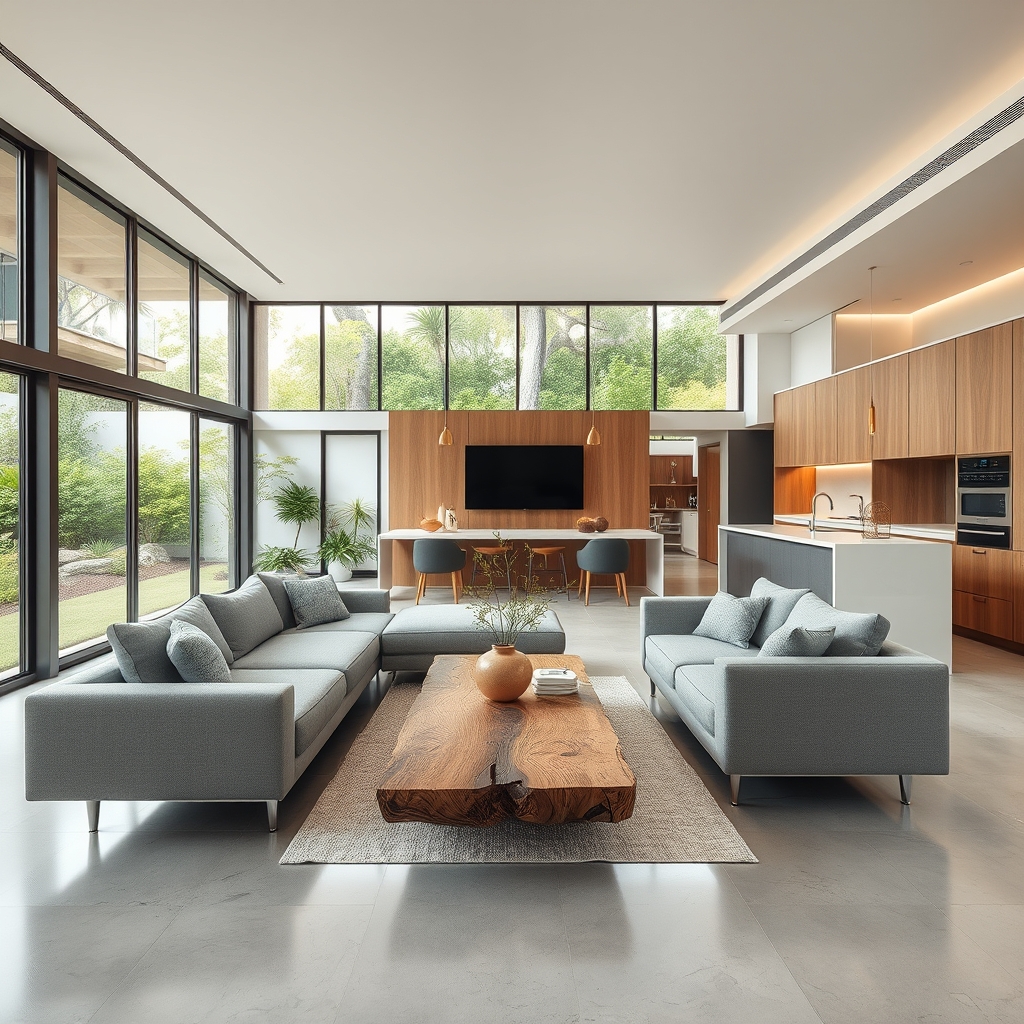
Consider, for example, a living room where the lighting adjusts automatically based on the time of day, the blinds rise and fall with the sun’s movement, and the sound system responds to voice commands without a single visible speaker. These elements work in harmony to create an environment that feels both futuristic and timeless. The technology is there, but it doesn’t dominate—it enhances. This is the essence of smart minimalism: technology that serves, not distracts.
Energy Efficiency and Sustainability
Smart minimalism also aligns perfectly with the growing demand for sustainable living. Energy-efficient homes are no longer a luxury; they’re a necessity. Smart thermostats, solar panels, and automated lighting systems reduce energy consumption without sacrificing comfort. These technologies not only lower utility bills but also minimize the home’s environmental footprint, making them a win-win for both homeowners and the planet.
Moreover, the minimalist approach naturally lends itself to sustainability. By focusing on quality over quantity, homeowners are less likely to fall into the trap of disposable furniture and decor. Instead, they invest in pieces that are built to last, reducing waste and promoting a more mindful way of living. When combined with smart technology, this creates a home that is not only efficient but also deeply responsible.
Designing for Flexibility and Flow
One of the most compelling aspects of smart minimalism is its emphasis on flexibility. Modern life is dynamic, and our homes should be too. Open-concept layouts, modular furniture, and multi-functional spaces are all hallmarks of this design philosophy. A living room that doubles as a home office, a kitchen island that transforms into a dining table, or a bedroom with built-in storage that maximizes space—these are the kinds of solutions that make smart minimalism so appealing.
This flexibility extends to the home’s technological infrastructure as well. Smart homes are designed to adapt to changing needs, whether that means reconfiguring a room’s layout or integrating new devices as they become available. The result is a home that grows and evolves with its inhabitants, rather than remaining static and outdated.
The Role of Natural Elements
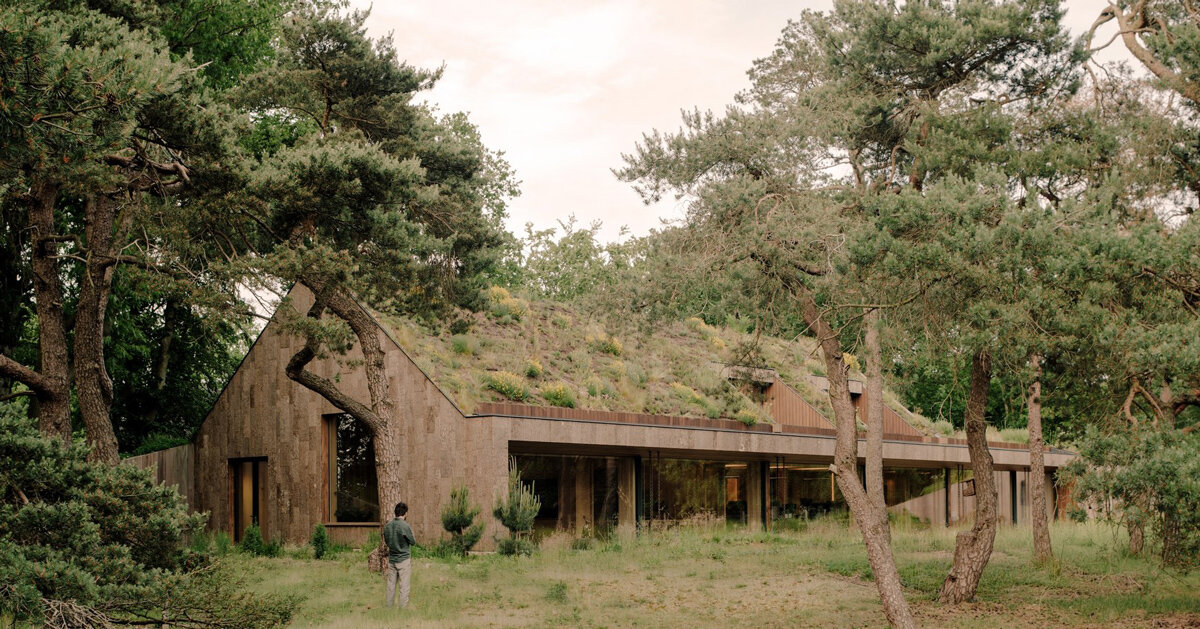
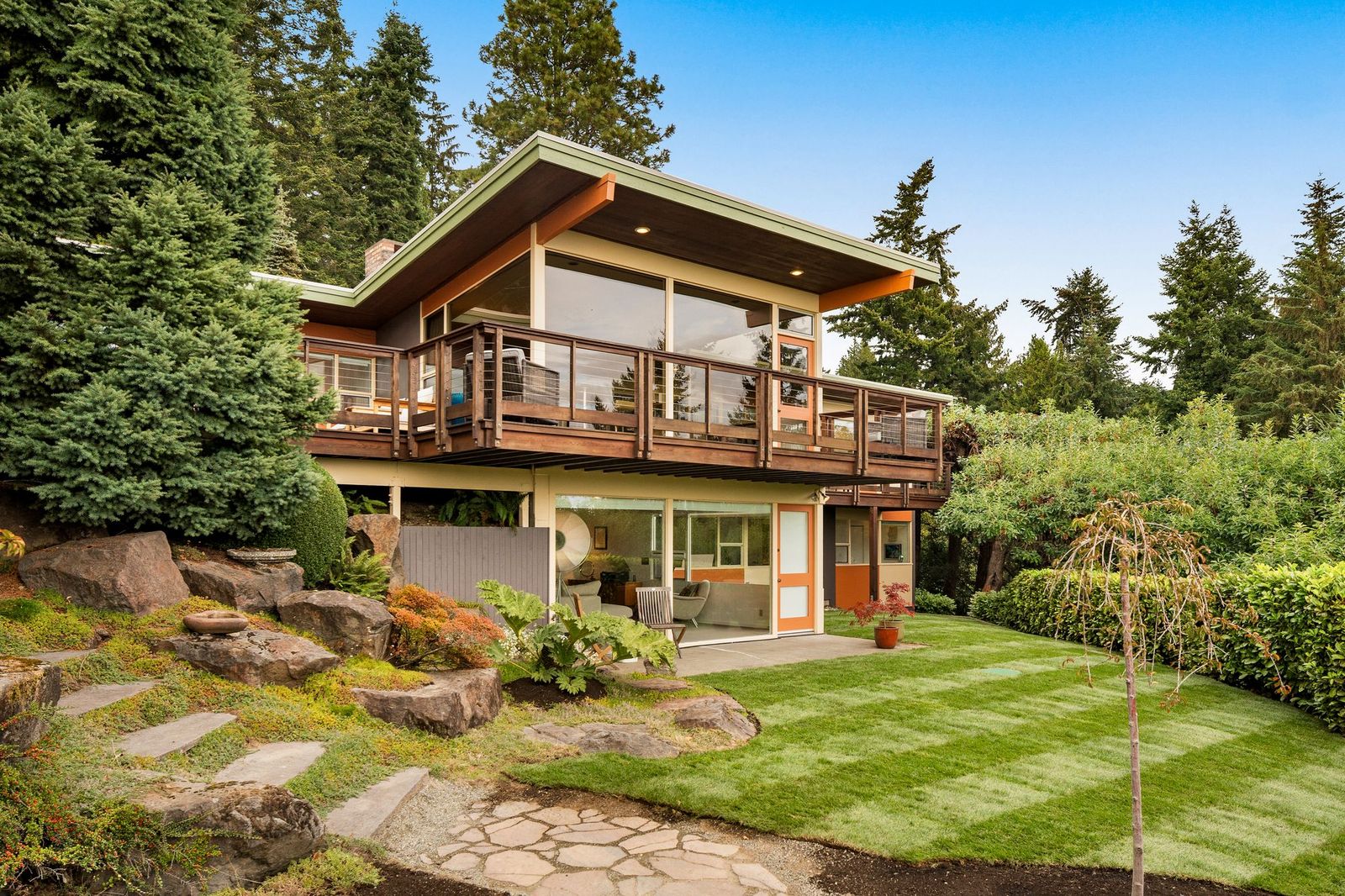
While technology plays a central role in smart minimalism, it’s not the only star of the show. Natural elements are equally important, bringing warmth, texture, and a sense of connection to the outdoors. Wood, stone, and plants are often incorporated into smart minimalist designs to soften the sleek lines of modern architecture and create a more inviting atmosphere.
Biophilic design, which seeks to integrate nature into the built environment, is a perfect complement to smart minimalism. Large windows that flood spaces with natural light, indoor gardens that purify the air, and organic materials that add tactile warmth—these elements work together to create a home that feels both modern and timeless. The result is a space that nurtures the body, mind, and soul.
The Future of Smart Minimalism
As technology continues to advance, the possibilities for smart minimalism are virtually limitless. Imagine a home where your morning routine is seamlessly orchestrated by AI—your coffee brews as you wake, your shower adjusts to your preferred temperature, and your favorite playlist starts playing as you step into the kitchen. Or a home that anticipates your needs before you even realize them, like adjusting the lighting when it senses you’re feeling stressed or suggesting a recipe based on the ingredients in your smart fridge.
Yet, even as technology becomes more sophisticated, the core principles of smart minimalism remain the same: intentionality, functionality, and harmony. The goal is not to create a home that feels like a futuristic showroom but one that feels like a sanctuary—a place where technology and design work together to enhance the human experience. It’s about crafting spaces that are not only smart but also soulful, where every detail is thoughtfully considered and every moment is lived with purpose.
In a world that often feels chaotic and overwhelming, smart minimalism offers a path to simplicity, clarity, and connection. It’s a design philosophy that doesn’t just keep up with the times but anticipates the future, creating homes that are as intelligent as they are inspiring. Whether you’re renovating an existing space or building from scratch, embracing smart minimalism is about more than just following a trend—it’s about designing a life that feels effortlessly, beautifully yours.