
The Future of Home Design: Crafting Adaptive, Multi-Functional Spaces for the Modern Lifestyle
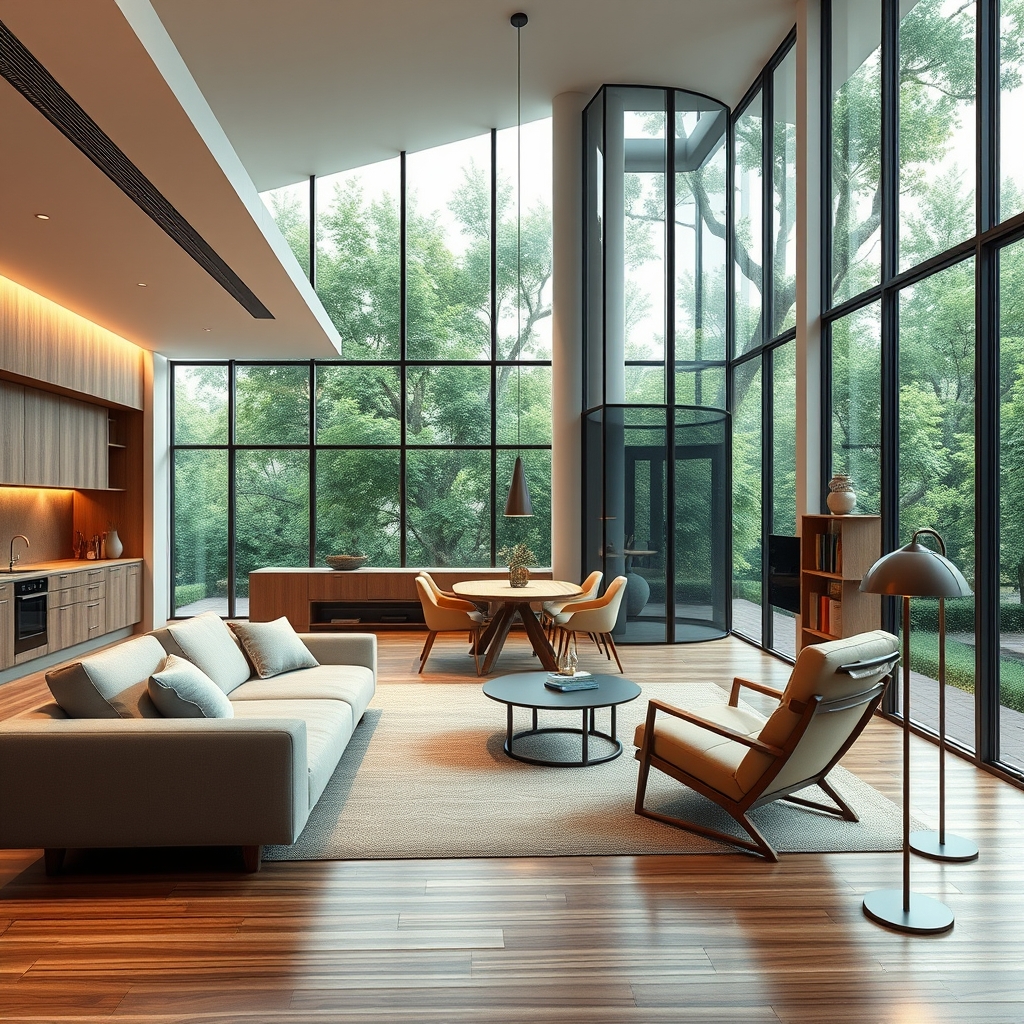
In an era where flexibility and efficiency define modern living, home design is undergoing a transformative shift. No longer are homes static structures built for a single purpose; instead, they are evolving into dynamic environments that adapt to the ever-changing needs of their inhabitants. This evolution is driven by a blend of innovative architecture, smart technology, and a deep understanding of how people interact with their spaces. The result? Homes that are not just places to live but living, breathing entities that grow and change alongside their occupants.
The Philosophy Behind Adaptive Design
Adaptive design is rooted in the idea that a home should be as fluid as the lives of those who inhabit it. This philosophy challenges traditional notions of fixed rooms and rigid layouts, instead embracing modularity, multifunctionality, and scalability. The goal is to create spaces that can effortlessly transition from one use to another—whether it’s a home office that doubles as a guest room, a kitchen that expands into an entertainment area, or a living room that transforms into a workout space. This approach not only maximizes the utility of every square foot but also future-proofs homes against the unpredictable demands of modern life.
At the heart of adaptive design is the concept of “flexible zones.” These are areas within the home that can serve multiple purposes without requiring permanent structural changes. For example, sliding walls, foldable furniture, and retractable partitions can instantly redefine a space, allowing it to adapt to different activities or occasions. This level of versatility is particularly valuable in urban environments, where space is often limited, and the need for multi-functional areas is paramount.
Technology as the Enabler
Smart home technology plays a pivotal role in bringing adaptive design to life. From motorized furniture that can be reconfigured with the touch of a button to AI-driven systems that learn and anticipate the needs of occupants, technology is making it easier than ever to create homes that are both intelligent and intuitive. Imagine a living room that automatically adjusts its lighting, temperature, and even furniture arrangement based on whether you’re hosting a dinner party, working from home, or relaxing with a book. This level of automation not only enhances convenience but also elevates the overall living experience.
One of the most exciting advancements in this space is the integration of IoT (Internet of Things) devices. These connected systems allow homeowners to control everything from lighting and climate to security and entertainment through a single interface, often via a smartphone or voice command. For instance, smart glass windows can switch from transparent to opaque for privacy, while modular kitchen islands can be programmed to adjust their height or configuration based on the task at hand. These innovations are not just about luxury; they’re about creating homes that are responsive, efficient, and tailored to the unique rhythms of modern life.
Sustainability Meets Adaptability
Adaptive design is also deeply intertwined with sustainability. By creating spaces that can evolve over time, homeowners can reduce the need for costly and resource-intensive renovations. This approach aligns with the principles of circular design, where materials and structures are designed to be reused, repurposed, or recycled. For example, a home built with modular components can be easily expanded or reconfigured as the family grows, eliminating the need for a complete rebuild. Similarly, sustainable materials like reclaimed wood, bamboo, and recycled metals can be incorporated into adaptive designs, ensuring that the home remains eco-friendly throughout its lifecycle.
Energy efficiency is another critical aspect of this synergy. Adaptive homes can be designed to optimize natural light, ventilation, and thermal performance, reducing the reliance on artificial heating, cooling, and lighting. Smart thermostats, solar panels, and energy-efficient appliances further enhance the sustainability of these spaces, making them not only adaptable but also kinder to the planet. The result is a home that is as responsible as it is responsive, balancing the needs of its occupants with the health of the environment.
Designing for the Human Experience
While technology and sustainability are key drivers of adaptive design, the ultimate goal is to enhance the human experience. A well-designed adaptive home should feel intuitive, comfortable, and inspiring—whether it’s a cozy nook for reading, a spacious area for entertaining, or a quiet corner for meditation. This requires a deep understanding of how people move through and interact with their spaces, as well as an appreciation for the emotional and psychological impact of design.
One way to achieve this is through biophilic design, which integrates natural elements into the home to create a sense of calm and connection. Large windows that frame views of the outdoors, indoor plants, natural materials like stone and wood, and water features can all contribute to a more harmonious living environment. When combined with adaptive design principles, these elements help create spaces that are not only functional but also nurturing and rejuvenating.
The Role of Custom Home Builders
For those looking to embrace adaptive design, working with a custom home builder who specializes in flexible, future-ready spaces is essential. These professionals understand the importance of creating homes that can evolve with their occupants, and they have the expertise to integrate smart technology, sustainable materials, and modular design elements seamlessly. Whether it’s designing a home with movable walls, hidden storage solutions, or multi-functional furniture, a custom builder can bring the vision of an adaptive home to life.
Moreover, custom builders can help homeowners navigate the complexities of zoning laws, building codes, and structural requirements to ensure that their adaptive designs are not only innovative but also compliant and safe. This collaboration between homeowner and builder is crucial in creating a home that is truly tailored to the unique needs and aspirations of its inhabitants.
As we look to the future, the demand for adaptive, multi-functional homes will only continue to grow. In a world where change is the only constant, our living spaces must be able to keep pace. By embracing the principles of adaptive design—flexibility, technology, sustainability, and human-centricity—we can create homes that are not just places to live, but dynamic environments that enrich our lives in ways we are only beginning to imagine. These spaces will not only meet the needs of today but also anticipate the possibilities of tomorrow, ensuring that our homes remain as resilient and adaptable as we are.



