The Art of Transitional Design: Bridging Classic Elegance and Modern Simplicity in Today’s Homes
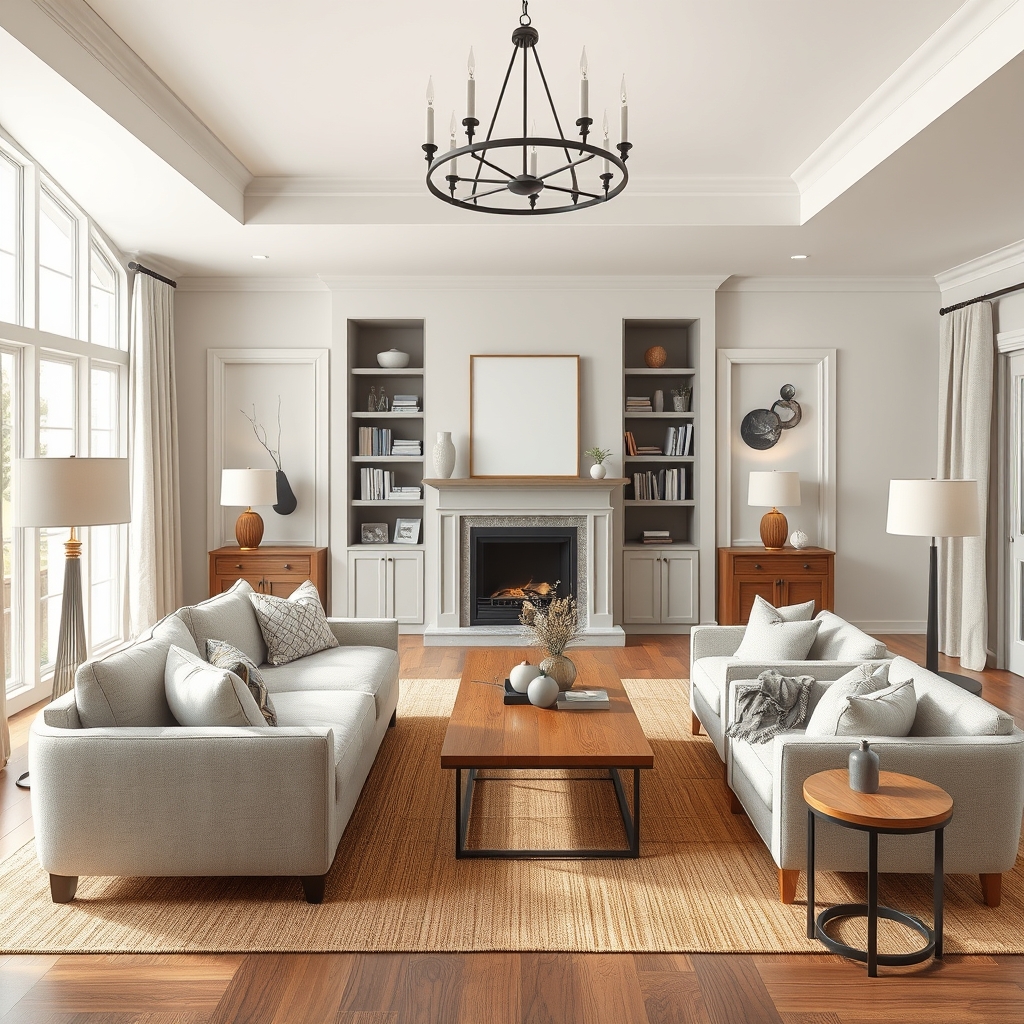
In the ever-evolving world of home design, one trend has quietly emerged as a timeless bridge between the past and the present: transitional design. This approach seamlessly blends the warmth and sophistication of traditional aesthetics with the clean lines and functionality of modern minimalism. The result is a space that feels both familiar and fresh, offering the best of both worlds without leaning too heavily into either extreme. For homeowners seeking a balance between comfort and contemporary style, transitional design presents an ideal solution.
The Philosophy Behind Transitional Design
At its core, transitional design is about harmony. It avoids the ornate details of traditional design while steering clear of the stark simplicity that can sometimes define modern spaces. Instead, it focuses on creating a cohesive environment where classic and contemporary elements coexist effortlessly. Think of a plush, neutral-toned sofa paired with a sleek, geometric coffee table, or a traditional fireplace mantel adorned with minimalist artwork. The key is to strike a balance where neither style overpowers the other, allowing the space to feel inviting yet refined.
This philosophy extends beyond furniture and decor. Transitional design often incorporates architectural elements like crown molding or wainscoting, which add a touch of classic elegance, while maintaining open floor plans and uncluttered layouts that are hallmarks of modern living. The goal is to create a space that feels timeless, ensuring it remains stylish and relevant for years to come.
Color Palettes and Materials: The Foundation of Transitional Spaces
Color plays a pivotal role in transitional design. Neutral palettes—think soft grays, warm beiges, creamy whites, and muted taupes—serve as the perfect backdrop, allowing furniture and decor to take center stage. These tones create a calming atmosphere while providing flexibility to introduce subtle pops of color through accessories like throw pillows, rugs, or artwork. Unlike the bold hues often found in traditional design or the monochromatic schemes of modern minimalism, transitional spaces thrive on understated sophistication.
Materials are equally important in achieving the transitional look. Natural textures like wood, stone, and linen add warmth and depth, while metals such as brushed nickel, brass, or matte black introduce a modern edge. For example, a dining table crafted from reclaimed wood with sleek metal legs embodies the fusion of old and new. Similarly, countertops in quartz or marble paired with shaker-style cabinetry in a kitchen create a space that feels both classic and current.
Furniture: The Perfect Marriage of Form and Function
Furniture in transitional design is all about clean lines with a touch of softness. Pieces often feature simple silhouettes with subtle curves or tapered legs, avoiding the heavy ornamentation of traditional styles or the rigid geometry of modern design. Upholstered furniture, such as sofas and armchairs, tends to have tailored lines but is often made with plush, comfortable fabrics like chenille or velvet to enhance coziness.
One of the hallmarks of transitional furniture is its versatility. A neutral-toned sectional sofa can serve as the anchor of a living room, paired with a mix of traditional and modern accent chairs. Similarly, a bedroom might feature a tufted headboard—a nod to classic design—paired with a streamlined dresser and minimalist nightstands. The beauty of transitional furniture lies in its ability to adapt to different styles, making it a smart investment for any home.
Lighting: Illuminating the Space with Subtle Drama
Lighting in transitional design is where functionality meets artistry. Fixtures often blend classic and contemporary elements, such as a chandelier with clean lines and a touch of ornate detailing, or a table lamp with a modern base and a traditional shade. Layered lighting—combining ambient, task, and accent lighting—is essential to create depth and warmth in the space.
For instance, a living room might feature a statement chandelier as the primary light source, complemented by floor lamps with sleek, modern designs and table lamps with classic silhouettes. This approach ensures the space is well-lit while adding visual interest. Dimmer switches are also a valuable addition, allowing homeowners to adjust the lighting to suit different moods and occasions.
Incorporating Transitional Design into Your Home
Adopting transitional design doesn’t require a complete overhaul of your space. Start by identifying key pieces that already blend classic and modern elements, such as a neutral-toned sofa or a dining table with a mix of wood and metal. From there, layer in complementary decor, like a textured rug or a piece of artwork that bridges the gap between traditional and contemporary styles. The goal is to create a cohesive look where each element feels intentional and harmonious.
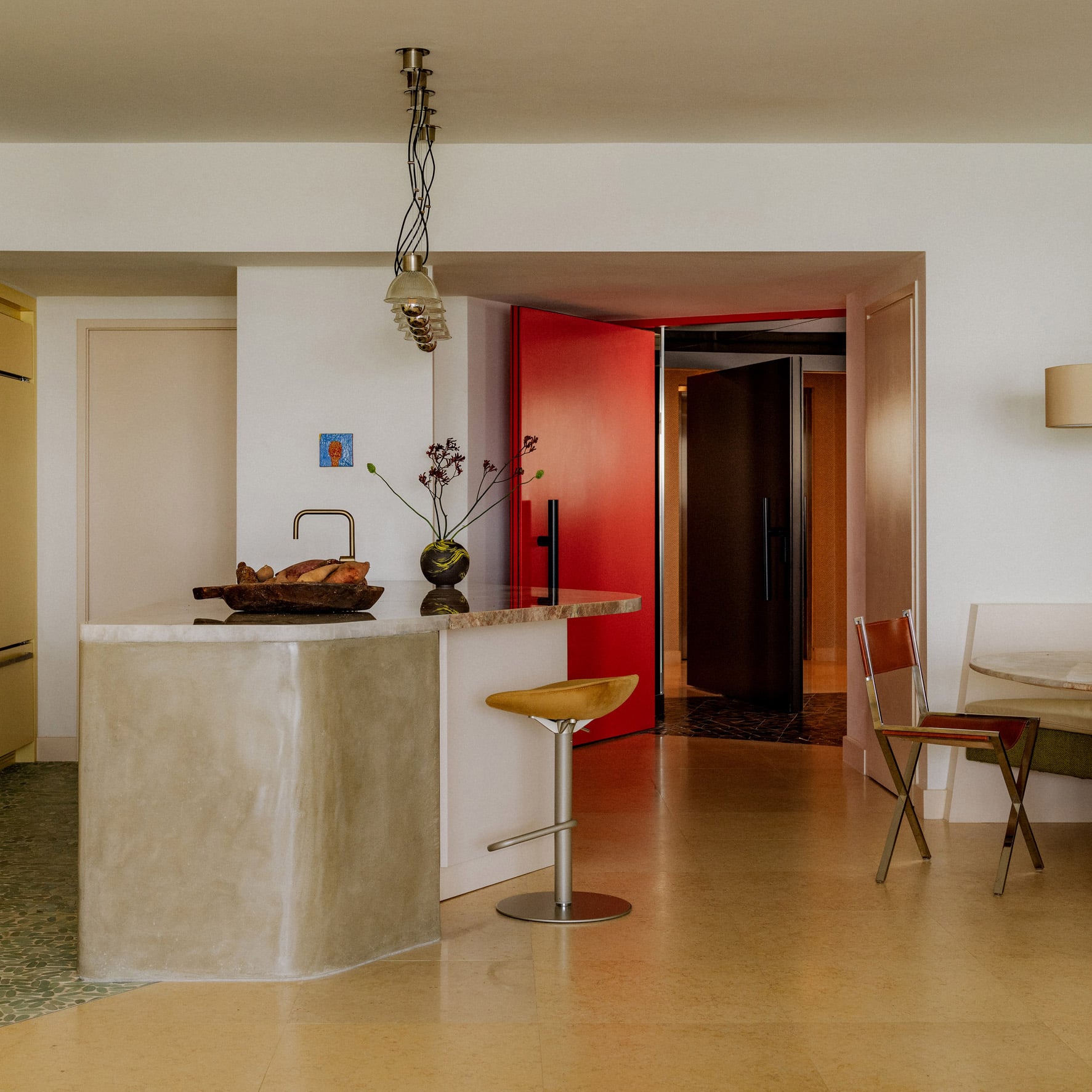
For those embarking on a renovation, consider architectural details that enhance the transitional aesthetic. Crown molding, built-in shelving, or a statement fireplace can add a touch of classic elegance, while open shelving or a minimalist kitchen island can introduce modern functionality. The key is to avoid going overboard with either style—transitional design thrives on balance and restraint.
Transitional Design in Small Spaces
One of the greatest strengths of transitional design is its adaptability to spaces of all sizes. In smaller homes or apartments, the principles of transitional design can make a room feel more spacious and inviting. Opt for furniture with slim profiles and legs that create a sense of openness, and use mirrors to reflect light and add depth. Neutral color palettes and strategic lighting can also help small spaces feel larger and more airy.
For example, a studio apartment can benefit from a transitional approach by using a neutral-toned sofa bed as the focal point, paired with a mix of classic and modern accent chairs. A rug with a subtle pattern can define the living area, while open shelving can provide storage without overwhelming the space. The result is a home that feels cohesive, functional, and stylish, regardless of its size.
Transitional design is more than just a trend—it’s a timeless approach to creating spaces that feel both elegant and livable. By blending the best of traditional and modern styles, it offers a versatile solution for homeowners who want a home that reflects their personal taste while remaining adaptable to future changes. Whether you’re renovating a single room or designing an entire home, the principles of transitional design provide a roadmap to a space that is as functional as it is beautiful, proving that sometimes, the most enduring designs are those that find harmony in the middle.