
Emotionally Resonant Interiors: Designing Homes That Speak to the Soul
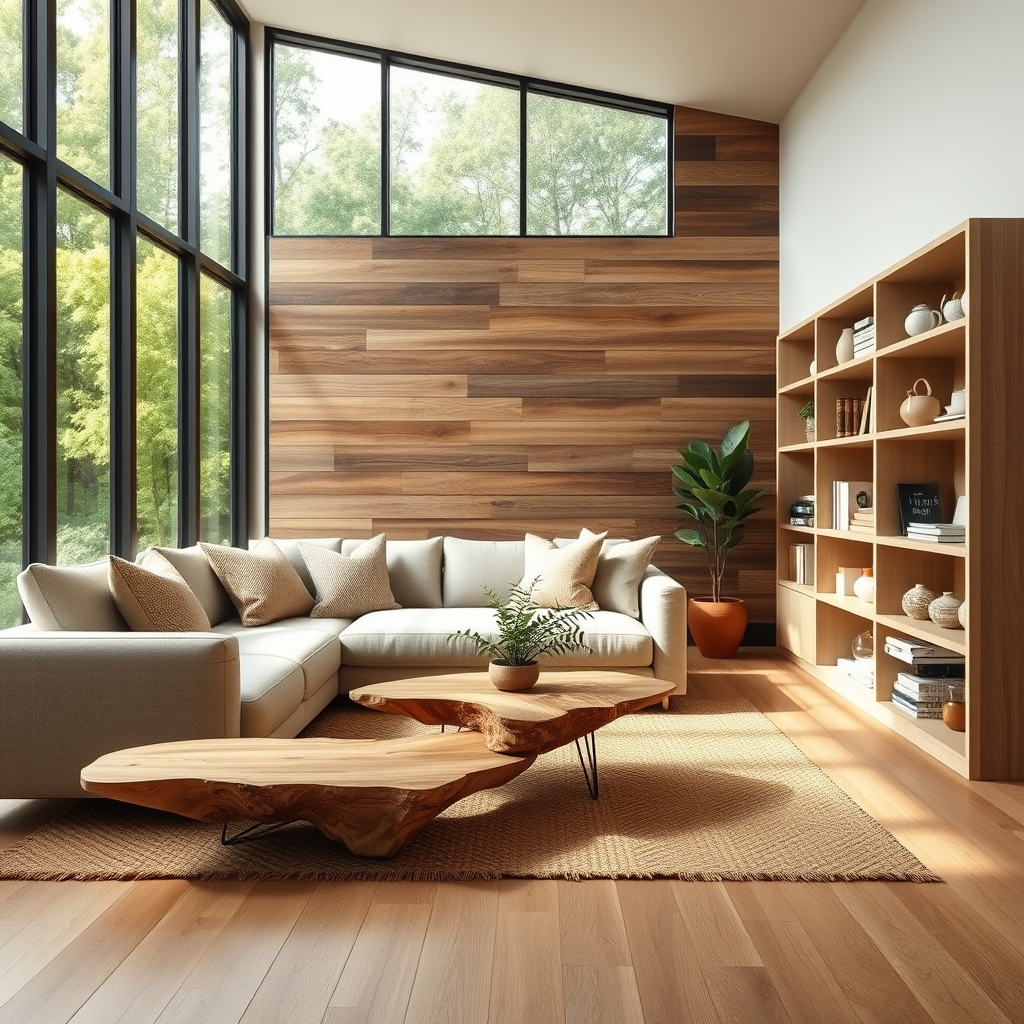
In an era where our lives are increasingly digitized and fast-paced, the spaces we inhabit have evolved from mere shelters into sanctuaries of emotional well-being. Emotionally resonant interiors transcend aesthetics, weaving together sensory experiences, personal narratives, and adaptive functionality to create environments that nurture the soul. These spaces don’t just look beautiful—they feel alive, responding to our moods, needs, and even our subconscious desires. The future of home design lies not in rigid trends or fleeting styles, but in crafting interiors that resonate on a deeply human level.
The Psychology of Emotional Resonance
Every material, color, and spatial arrangement in a home sends subtle psychological cues that influence our emotions. Human-centric architecture leverages this understanding to design spaces that foster comfort, creativity, or calm. For instance, the warmth of natural wood or the softness of textured fabrics can evoke feelings of security, while open layouts with abundant natural light may inspire productivity and optimism. The key is intentionality—each element should serve a purpose beyond its visual appeal, whether it’s a curved wall that softens the energy of a room or a cozy nook designed for quiet reflection.
Psychological space optimization goes further by considering how spatial flow affects our mental state. A cluttered hallway might subconsciously create stress, while a thoughtfully arranged living area can encourage relaxation and connection. Designers are increasingly using principles like prospect-refuge theory—balancing open views with intimate, sheltered spaces—to create interiors that feel both expansive and secure. These subtle adjustments can transform a house into a home that truly understands its inhabitants.
Biophilic Design: Nature as a Co-Creator
At the heart of emotionally resonant interiors is biophilic design, which integrates natural elements to foster a sense of harmony and well-being. This approach goes beyond adding a few plants or a water feature; it’s about creating a dialogue between the built environment and the natural world. Large windows that frame outdoor views, organic materials like stone and linen, and even the sound of trickling water can evoke the restorative power of nature. Studies show that biophilic design reduces stress, enhances creativity, and improves overall mental health—making it a cornerstone of modern wellness-focused home design.
But biophilic integration isn’t just about aesthetics; it’s about functionality. Adaptive living spaces might incorporate movable partitions that mimic the dappled light of a forest canopy or modular furniture that allows for reconfiguration based on the time of day or season. These dynamic elements ensure that the home remains in sync with the rhythms of nature, creating a living space that feels both timeless and ever-evolving.
Personalization Through Co-Creative Design
No two individuals experience space in the same way, which is why personalized interior concepts are gaining traction. Co-creative design processes involve homeowners as active participants in shaping their environments, ensuring that every detail reflects their unique story. This might mean incorporating heirloom furniture into a modern layout, designing a gallery wall that showcases personal memories, or using color palettes inspired by a favorite travel destination. The result is a home that feels authentically theirs—not just a showpiece, but a living extension of their identity.
Digital twin interior modeling is revolutionizing this process by allowing homeowners to visualize and tweak their spaces in a virtual environment before any physical changes are made. This technology enables real-time collaboration between designers and clients, ensuring that the final result is a true reflection of the homeowner’s vision. Whether it’s adjusting the placement of a statement light fixture or experimenting with different material finishes, digital twins make the design process more interactive and inclusive.
Sustainability as a Form of Emotional Care
Conscious material selection is another pillar of emotionally resonant interiors, as sustainability becomes synonymous with self-care. Homeowners are increasingly seeking materials that are not only eco-friendly but also carry a sense of warmth and authenticity. Reclaimed wood, recycled metals, and low-VOC paints are just a few examples of how sustainable choices can enhance both the environment and the emotional quality of a space. These materials often come with their own stories—like the patina of aged wood or the character of handcrafted tiles—which add depth and meaning to the home.
Sustainable home styling also extends to the longevity of design. Instead of chasing fleeting trends, emotionally resonant interiors prioritize timelessness, ensuring that the space remains relevant and cherished for years to come. This might mean investing in high-quality, durable furniture or choosing a neutral base palette that can be easily refreshed with small, seasonal updates. The goal is to create a home that grows and evolves alongside its inhabitants, rather than one that feels outdated or disposable.
The Role of Technology in Emotional Design
While technology is often associated with cold efficiency, smart home experience design is proving that it can also enhance emotional well-being. Adaptive lighting systems that mimic the natural progression of daylight, for example, can regulate circadian rhythms and improve sleep quality. Similarly, climate control systems that adjust based on occupancy or time of day create a more comfortable and intuitive living environment. These technologies don’t just automate tasks—they anticipate needs, creating a home that feels almost sentient in its responsiveness.
Interactive interior planning tools are also making it easier for homeowners to experiment with different layouts and design elements. Augmented reality apps allow users to visualize how a new piece of furniture or a fresh coat of paint will look in their space, reducing the uncertainty and stress often associated with home renovations. By putting the power of design into the hands of the homeowner, these tools foster a deeper emotional connection to the space.
Cultural Narratives and Holistic Layouts
Emotionally resonant interiors often draw inspiration from cultural narratives, infusing spaces with layers of meaning and history. Whether it’s the minimalist elegance of Scandinavian design, the vibrant patterns of Moroccan textiles, or the serene simplicity of Japanese aesthetics, these influences add richness and depth to a home. Holistic room layouts take this a step further by considering how each space interacts with the others, creating a seamless flow that supports the homeowner’s lifestyle. A well-designed home should feel like a journey, with each room offering a new experience while maintaining a sense of continuity.
Flexible living solutions are particularly effective in achieving this balance. Modular furniture, sliding partitions, and multi-functional spaces allow the home to adapt to changing needs, whether it’s accommodating a growing family, creating a home office, or hosting a gathering. These solutions ensure that the home remains a dynamic and supportive environment, capable of evolving alongside its inhabitants.
As we redefine what it means to live well, our homes are becoming more than just physical structures—they are emotional landscapes that shape our daily experiences. By embracing principles like biophilic design, personalization, and sustainability, we can create interiors that don’t just look good, but feel good. These spaces have the power to soothe our minds, inspire our creativity, and connect us to something greater than ourselves. In a world that often feels fragmented, a home that resonates emotionally is not just a luxury; it’s a necessity for a balanced and fulfilling life.



