
The Living Canvas: Crafting Homes That Breathe and Respond
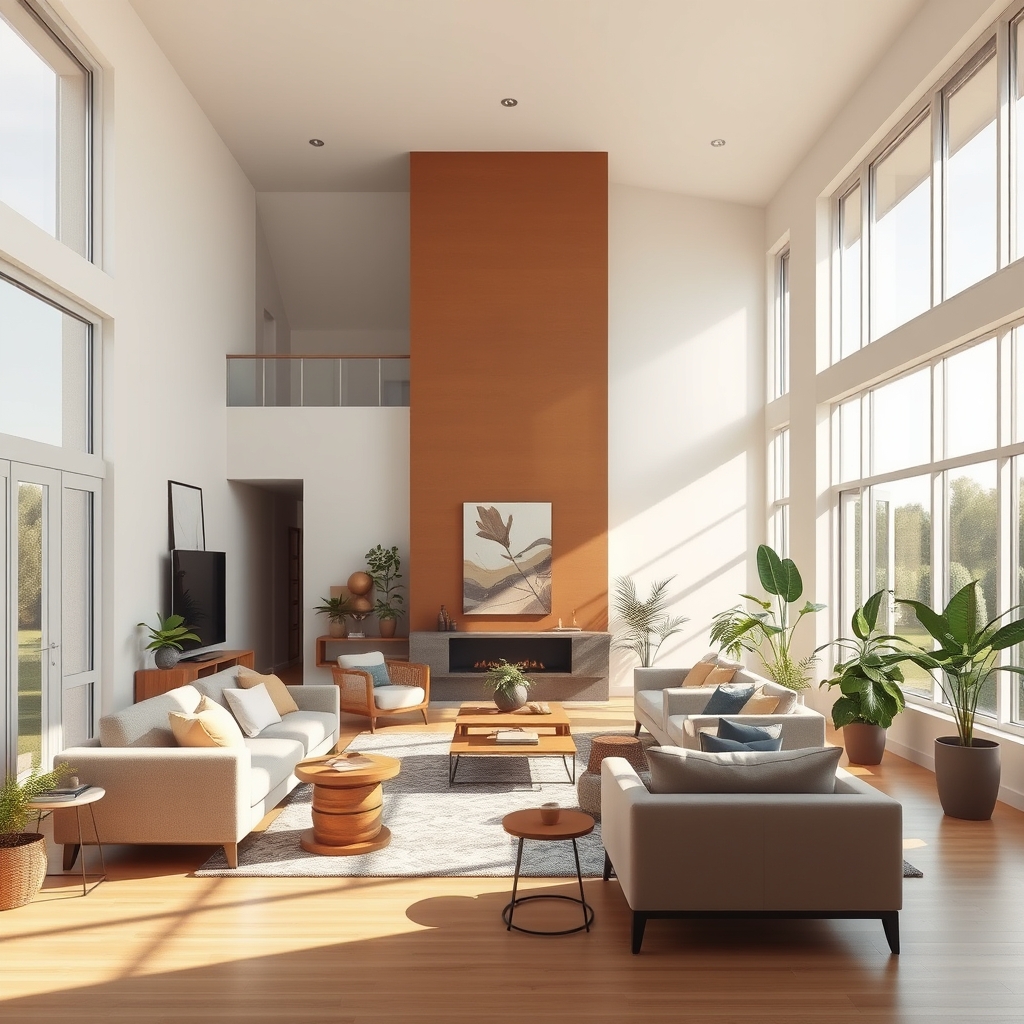
In the quiet corners of our lives, where the rhythm of daily routines fades into the background, there lies a silent revolution in the way we perceive and interact with our living spaces. This revolution is not about grand gestures or dramatic transformations, but about the subtle, almost imperceptible ways in which our homes begin to adapt, learn, and grow with us. It’s about creating spaces that are not just functional, but emotionally resonant, psychologically optimized, and deeply personal.
Immersive Spatial Design: Where Emotion and Function Converge
Immersive spatial design is at the heart of this transformation. It’s about crafting environments that engage all our senses, from the tactile feel of materials to the visual harmony of colors and textures. It’s about creating spaces that tell a story, that evoke emotions, and that make us feel a deep sense of belonging. In these spaces, every element is carefully considered, every corner thoughtfully designed, and every interaction intentionally planned.
Sensory Interior Environments: The Art of Touch
Sensory interior environments take immersive spatial design a step further, by focusing on the sense of touch. From the softness of a velvet couch to the coolness of a stone floor, every element is designed to create a tactile experience that is both comforting and engaging. These spaces are not just about aesthetics, but about creating an environment that speaks to our senses and evokes emotions.
Human Centric Architecture: Designing for the Soul
Human centric architecture is another key aspect of this revolution. It’s about designing spaces that are not just about form and function, but about the human experience. It’s about creating environments that are intuitive, comfortable, and emotionally resonant. In these spaces, every detail is designed with the human at the center, ensuring that the space is not just a place to live, but a place to thrive.
Adaptive Living Spaces: The Future of Personalized Home Design
Adaptive living spaces are the future of personalized home design. These are spaces that can change and adapt to our needs, our moods, and our lifestyles. They are spaces that learn and grow with us, responding to our every need and desire. From smart lighting that adjusts to our mood, to walls that change color to match our environment, these spaces are truly a reflection of our inner worlds.
Biophilic Design Integration: Bringing Nature Indoors
Biophilic design integration is another crucial element of this revolution. It’s about bringing the outdoors in, creating spaces that are not just about man-made materials, but about the natural world. From indoor plants that purify the air, to natural light that floods the space, these elements create a sense of connection to nature that is both comforting and rejuvenating.
Personalized Interior Concepts: The Art of the Possible
Personalized interior concepts take this a step further, by creating spaces that are truly unique to the individual. These are spaces that are designed around our personal preferences, our lifestyles, and our emotions. From the color of the walls to the layout of the rooms, every element is carefully considered and thoughtfully designed, creating a space that is truly a reflection of who we are.
Sustainable Home Styling: Designing for the Future
Sustainable home styling is about creating spaces that are not just beautiful, but also sustainable. It’s about using materials that are eco-friendly, about creating spaces that are energy-efficient, and about designing for the future. These spaces are not just about aesthetics, but about creating an environment that is both beautiful and responsible.
Interactive Interior Planning: The Power of Choice
Interactive interior planning is another key aspect of this revolution. It’s about giving the individual a say in the design of their space, about creating a space that is truly their own. From choosing the layout of the rooms to selecting the materials, every element is designed with the individual in mind, creating a space that is both functional and personal.
Psychological Space Optimization: The Art of Emotional Design
Psychological space optimization is about creating spaces that are not just functional, but also emotionally resonant. It’s about designing spaces that evoke emotions, that make us feel a sense of belonging, and that create a sense of comfort and security. These spaces are not just about aesthetics, but about creating an environment that is both beautiful and emotionally fulfilling.
As we continue to explore the possibilities of immersive spatial design, sensory interior environments, human centric architecture, adaptive living spaces, biophilic design integration, personalized interior concepts, sustainable home styling, interactive interior planning, and psychological space optimization, we are not just creating spaces to live in, but creating environments that are a reflection of our inner worlds. These are spaces that breathe and respond, that learn and grow with us, and that make us feel a deep sense of belonging and emotional resonance. In the quiet corners of our lives, we are witnessing a silent revolution, a transformation that is not just about the physical space, but about the emotional and psychological experience of living in it. This is the future of home design, and it’s a future that is not just about the spaces we live in, but about the spaces that live with us.



