
The Invisible Tapestry: Crafting Homes That Weave Emotion and Function
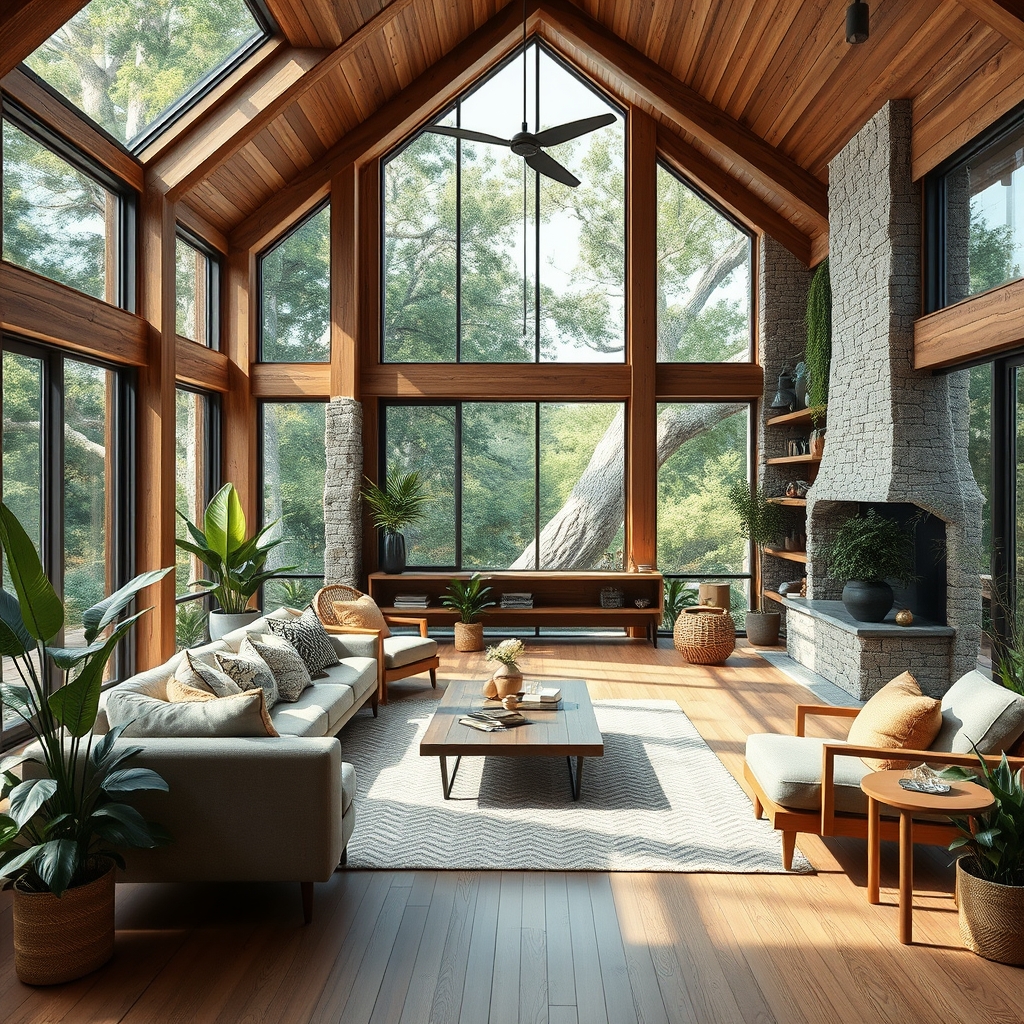
In the realm of architecture and interior design, there’s a quiet revolution unfolding. It’s not about the grandest statements or the most striking visuals, but about the subtle, almost invisible threads that weave through our living spaces. These threads are the essence of immersive spatial design, sensory interior environments, and human-centric architecture. They are the silent architects that shape our emotions, our experiences, and our very sense of belonging.
Immersive Spatial Design: A Journey into the Heart of Your Home
Immersive spatial design is more than just a trend; it’s a philosophy. It’s about creating environments that engage all our senses, that tell a story, and that evolve with us. It’s about making our homes feel like an extension of ourselves, a reflection of our personalities, and a sanctuary that nurtures our well-being.
The Power of Sensory Interior Environments
Sensory interior environments are the lifeblood of immersive spatial design. They are about creating spaces that stimulate our senses, that evoke emotions, and that make us feel alive. From the softness of a velvet sofa to the warmth of a stone fireplace, every element is carefully chosen to create a multi-sensory experience. It’s about making our homes feel like a living, breathing entity, a place that responds to us and adapts to our needs.
Human-Centric Architecture: Designing for the Soul
Human-centric architecture is about putting the human experience at the heart of design. It’s about creating spaces that are not just functional, but also emotionally resonant. It’s about understanding our needs, our desires, and our emotions, and then translating them into a built environment. It’s about making our homes feel like a second home, a place where we can be ourselves, where we can relax, and where we can thrive.
Adaptive Living Spaces: The Art of Flexibility
Adaptive living spaces are the future of home design. They are spaces that can change and evolve with us, that can adapt to our needs, and that can grow with our lives. It’s about creating homes that are not just a reflection of who we are today, but also who we will be tomorrow. It’s about making our homes feel like a living, breathing entity, a place that responds to us and adapts to our needs.
Biophilic Design Integration: Bringing Nature Indoors
Biophilic design integration is about bringing the outdoors in, about creating a connection between our indoor and outdoor environments. It’s about making our homes feel like a part of nature, a sanctuary that nurtures our well-being. From indoor plants to natural materials, every element is carefully chosen to create a sense of connection, of belonging, and of harmony.
Personalized Interior Concepts: Designing for the Individual
Personalized interior concepts are about creating spaces that are uniquely ours, that reflect our personalities, our lifestyles, and our passions. It’s about making our homes feel like a second home, a place where we can be ourselves, where we can relax, and where we can thrive. It’s about creating a space that is as unique as we are, a place that tells our story, and that makes us feel at home.
In the end, it’s about creating homes that are not just a place to live, but a place to love. It’s about creating spaces that are as unique as we are, that reflect our personalities, our lifestyles, and our passions. It’s about making our homes feel like a second home, a place where we can be ourselves, where we can relax, and where we can thrive. It’s about creating a space that is as unique as we are, a place that tells our story, and that makes us feel at home. It’s about weaving emotion and function into our living spaces, about creating a tapestry that is as beautiful as it is meaningful.



