
The Invisible Symphony: How Interactive Interior Planning Orchestrates Daily Life
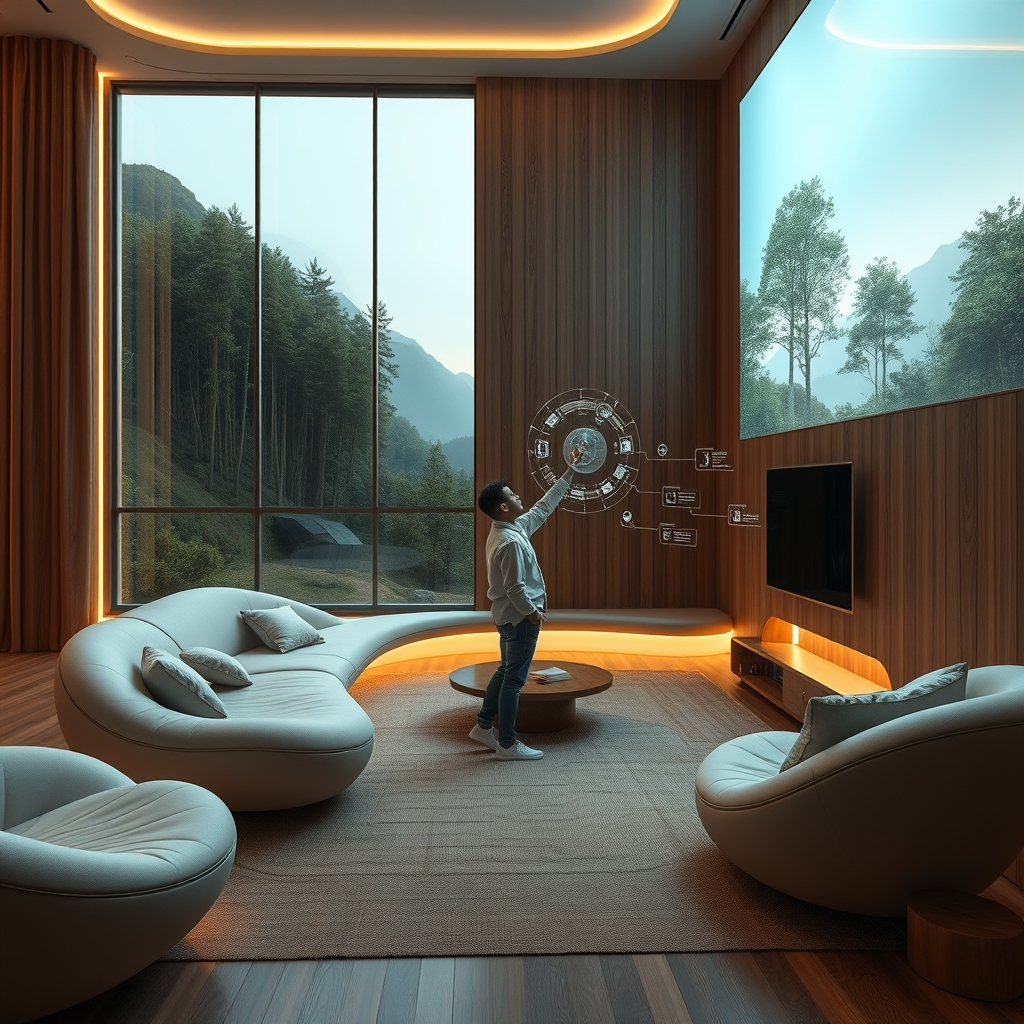
Imagine stepping into a room that anticipates your needs before you even articulate them. The lighting adjusts to the time of day, the temperature shifts to your preferred comfort level, and the layout subtly reconfigures to suit your activity—whether you’re hosting a dinner party or unwinding with a book. This is not the stuff of science fiction but the emerging reality of interactive interior planning, where spaces are no longer static backdrops but dynamic participants in our daily lives. The fusion of technology, psychology, and design is giving rise to environments that don’t just house us but engage with us, creating a seamless dialogue between human and habitat.
The Evolution of Space: From Static to Sentient
For centuries, interior design has been a discipline rooted in permanence. Walls were built to stand for generations, furniture was chosen for durability, and layouts were fixed to serve a single, unchanging purpose. But as our lives have become more fluid—shaped by remote work, multi-generational living, and ever-evolving personal needs—our spaces have struggled to keep pace. The result? Homes that feel out of sync with the rhythms of modern life, forcing us to adapt to them rather than the other way around.
Interactive interior planning flips this script. By integrating smart technologies, adaptive materials, and data-driven insights, designers are creating spaces that evolve in real time. Motion sensors detect when a room is occupied and adjust lighting or climate accordingly. Modular furniture systems shift configurations with a touch or a voice command, transforming a home office into a guest bedroom in minutes. Even the walls themselves are becoming dynamic, with embedded displays or responsive surfaces that change texture or color based on user input. These innovations are not just about convenience; they’re about crafting environments that feel alive, intuitive, and deeply personal.
The Psychology Behind the Interaction
At the heart of interactive interior planning lies a profound understanding of human psychology. Spaces that respond to our presence or mood do more than just streamline daily tasks—they foster a sense of agency and emotional connection. When a room dims the lights as you settle in for the evening or plays your favorite playlist as you walk through the door, it creates a subtle but powerful feedback loop. You feel seen, understood, and cared for by your environment, which in turn enhances your well-being and sense of belonging.
This principle is rooted in the concept of psychological ownership, where people develop a deeper attachment to spaces they can influence or control. Interactive design leverages this by giving users the tools to shape their surroundings effortlessly. Whether it’s a smart mirror that suggests outfits based on your schedule or a kitchen counter that displays recipes tailored to your dietary preferences, these features make the home feel like an extension of the self. The result is a living space that doesn’t just reflect who you are but actively collaborates with you to make life smoother, richer, and more enjoyable.
Technology as the Conductor of the Symphony
The magic of interactive interior planning lies in its ability to blend cutting-edge technology with human-centric design. At the forefront of this movement is the Internet of Things (IoT), which connects everyday objects to the internet, allowing them to send and receive data. From smart thermostats that learn your temperature preferences to voice-activated assistants that control everything from window shades to coffee makers, IoT devices are the building blocks of a responsive home. But the true innovation comes when these devices work in harmony, orchestrated by artificial intelligence that learns and adapts to your habits over time.
Take, for example, the concept of digital twin interior modeling, where a virtual replica of your home is created to simulate and optimize its performance. This technology allows designers to test different layouts, lighting schemes, or material choices before implementing them in the physical space. It can also predict how the environment will evolve over time, suggesting adjustments to accommodate changes in your lifestyle—such as the arrival of a new family member or a shift to remote work. By combining real-time data with predictive analytics, digital twins enable homes to grow and adapt alongside their inhabitants, ensuring that the space remains in perfect harmony with their needs.
The Human Touch in a Digital World
While technology is the driving force behind interactive interior planning, it’s the human element that makes it truly transformative. The most successful designs are those that prioritize emotional resonance—the ability of a space to evoke feelings of comfort, joy, or inspiration. This is where the principles of biophilic design, sensory engagement, and cultural narrative come into play. A room might incorporate natural materials like wood or stone to create a sense of warmth, or use dynamic lighting to mimic the changing hues of a sunset. It might feature artwork or textures that tell a story, connecting the space to your personal history or aspirations.
Moreover, interactive design is increasingly embracing co-creative processes, where homeowners are active participants in shaping their environments. Through augmented reality (AR) tools, users can visualize different design options in their space before making a decision. They can experiment with colors, furniture arrangements, or even structural changes, all from the comfort of their living room. This collaborative approach not only ensures that the final design aligns with the user’s vision but also deepens their emotional investment in the space. When people feel like co-creators rather than passive consumers, their connection to the environment becomes far more meaningful.
The Future of Living: Spaces That Grow With You
As interactive interior planning continues to evolve, the line between home and inhabitant will blur even further. We’re moving toward a future where spaces are not just responsive but predictive, anticipating our needs before we’re even aware of them. Imagine a home that adjusts its layout based on your daily routine, or a bedroom that gradually shifts its ambiance to help you wind down for sleep. These are not distant fantasies but tangible possibilities, made real by advancements in AI, machine learning, and adaptive materials.
Yet, for all its technological sophistication, the ultimate goal of interactive interior planning remains deeply human: to create spaces that nurture, inspire, and adapt to the people who inhabit them. In a world where change is the only constant, our homes should be our anchors—places that evolve with us, reflect our growth, and support our well-being in every season of life. The invisible symphony of interactive design is not just about making life easier; it’s about making it more beautiful, more meaningful, and more attuned to the rhythms of the human experience. And as this symphony continues to unfold, it promises to redefine not just how we live, but how we feel, connect, and thrive within the spaces we call home.



