
The Future of Home Design: Embracing Circular Living for Sustainable and Stylish Spaces
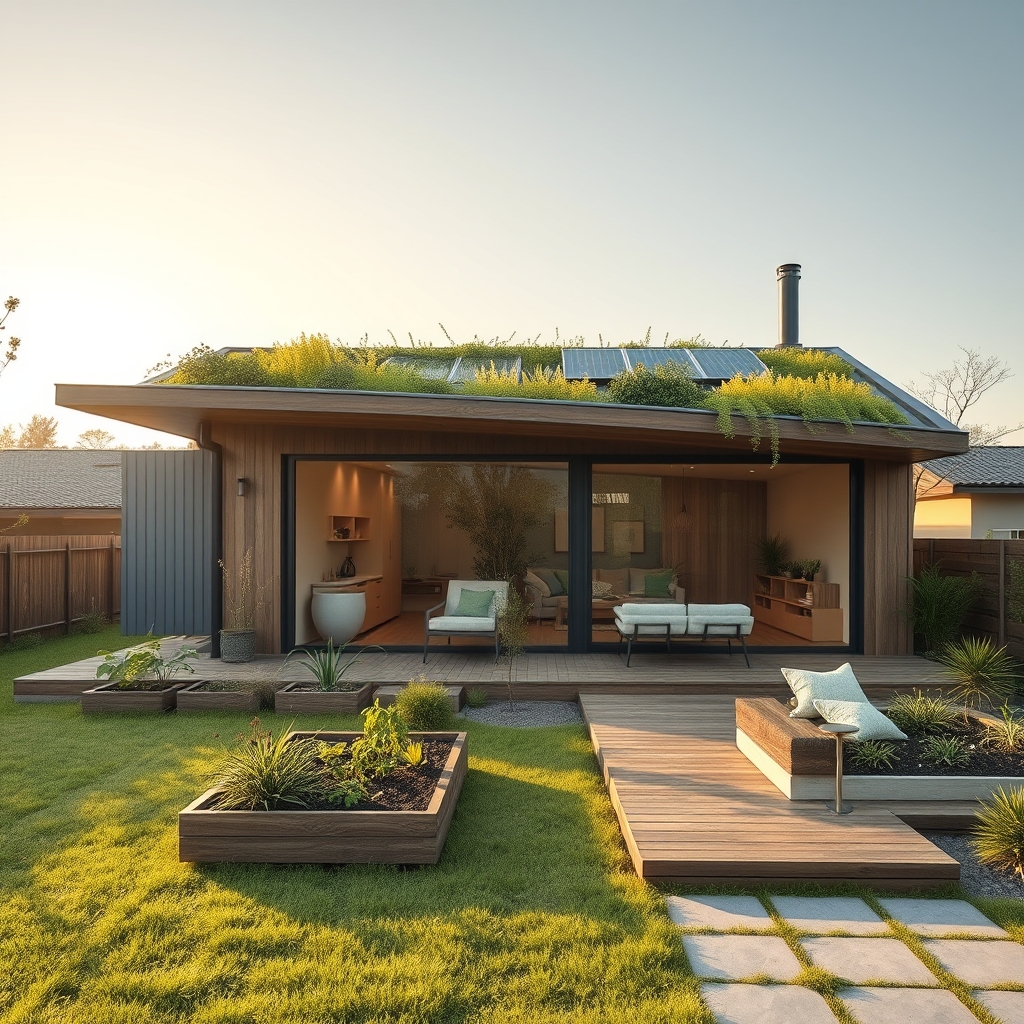
In an era where sustainability is no longer a choice but a necessity, modern home design is undergoing a transformative shift toward circular living. This approach prioritizes longevity, adaptability, and eco-conscious materials, ensuring that homes are not only stylish but also kind to the planet. As homeowners increasingly seek spaces that reflect their values, circular design principles are becoming the cornerstone of innovative and responsible living.
The Philosophy of Circular Living
Circular living is rooted in the idea of creating homes that minimize waste and maximize resource efficiency. Unlike traditional linear models—where materials are used once and discarded—circular design emphasizes reuse, recycling, and regeneration. This philosophy extends beyond construction to encompass furniture, decor, and even daily habits, fostering a holistic approach to sustainable living.
At its core, circular living challenges the throwaway culture that has dominated modern consumerism. Instead of opting for disposable furniture or trend-driven decor, homeowners are encouraged to invest in high-quality, timeless pieces that can be repaired, repurposed, or recycled. This shift not only reduces environmental impact but also cultivates a deeper connection to the spaces we inhabit.
Designing for Longevity and Adaptability
One of the key principles of circular home design is creating spaces that evolve with the needs of their inhabitants. Modular furniture, for example, allows homeowners to reconfigure their living areas without the need for costly renovations. Similarly, adaptable layouts—such as movable walls or multifunctional rooms—ensure that homes can accommodate changing lifestyles, whether it’s a growing family, a new remote work setup, or an aging-in-place design.
Materials play a crucial role in this equation. Sustainable options like reclaimed wood, recycled metals, and low-VOC (volatile organic compound) finishes are not only eco-friendly but also durable and aesthetically versatile. These materials can be sourced locally, further reducing the carbon footprint of a home while supporting regional economies. Additionally, innovations like bio-based composites and mycelium-based insulation are pushing the boundaries of what’s possible in sustainable construction.
Smart Technology Meets Sustainable Living
The integration of smart home technology is another game-changer in circular living. Energy-efficient systems—such as solar panels, smart thermostats, and LED lighting—help reduce a home’s environmental impact while lowering utility costs. These technologies are no longer niche; they’re becoming standard features in modern homes, thanks to advancements in affordability and accessibility.
Beyond energy savings, smart technology enhances the adaptability of circular homes. Automated systems can optimize water usage, monitor air quality, and even track the lifespan of appliances, alerting homeowners when repairs or replacements are needed. This proactive approach not only extends the life of household items but also reduces the demand for new resources.
The Role of Minimalism in Circular Design
Minimalism and circular living go hand in hand. By embracing a “less is more” mindset, homeowners can reduce clutter, simplify maintenance, and focus on the quality of their possessions. This doesn’t mean sacrificing style; rather, it’s about curating spaces that are intentional and meaningful. A minimalist approach encourages the use of multifunctional furniture, such as sofa beds or expandable dining tables, which maximize utility without compromising aesthetics.
Moreover, minimalism aligns with the circular economy’s emphasis on mindful consumption. Instead of filling homes with disposable decor, homeowners are opting for statement pieces that stand the test of time. This shift not only reduces waste but also fosters a sense of tranquility and purpose in living spaces.
Outdoor Spaces as Extensions of Circular Living
Circular design principles extend beyond the walls of a home to include outdoor living areas. Landscaping with native plants, for instance, reduces water consumption and supports local ecosystems. Permeable paving materials allow rainwater to seep into the ground, preventing runoff and replenishing groundwater supplies. Even outdoor furniture can be designed with sustainability in mind, using materials like recycled plastic or sustainably sourced teak.
Outdoor spaces also offer opportunities for urban farming, composting, and rainwater harvesting, further aligning homes with circular living principles. These features not only enhance the functionality of a property but also create a deeper connection to nature, promoting well-being and sustainability in equal measure.
Collaborating with Custom Home Builders and Designers
Achieving a circular home requires collaboration with professionals who understand the nuances of sustainable design. Custom home builders and architects specializing in eco-conscious projects can guide homeowners through the process, from selecting materials to optimizing energy efficiency. These experts can also help navigate local regulations and incentives for sustainable building, making the transition to circular living smoother and more cost-effective.
For those embarking on a renovation, working with a contractor who prioritizes sustainability is equally important. Whether it’s upgrading insulation, installing energy-efficient windows, or incorporating reclaimed materials, every small change contributes to a larger impact. The key is to approach each project with a long-term perspective, ensuring that today’s choices align with tomorrow’s sustainability goals.
As the world grapples with the challenges of climate change and resource depletion, circular living offers a pathway to a more sustainable future. By designing homes that are adaptable, efficient, and mindful of their environmental impact, we can create spaces that are not only beautiful but also resilient. The shift toward circular living is more than a trend; it’s a fundamental reimagining of how we interact with our homes and the planet. Through intentional design, smart technology, and a commitment to sustainability, modern homes can become sanctuaries that nurture both people and the environment, proving that style and responsibility can coexist harmoniously.



