
The New Frontier of Energy-Efficient Homes: How Passive Design is Revolutionizing Modern Living
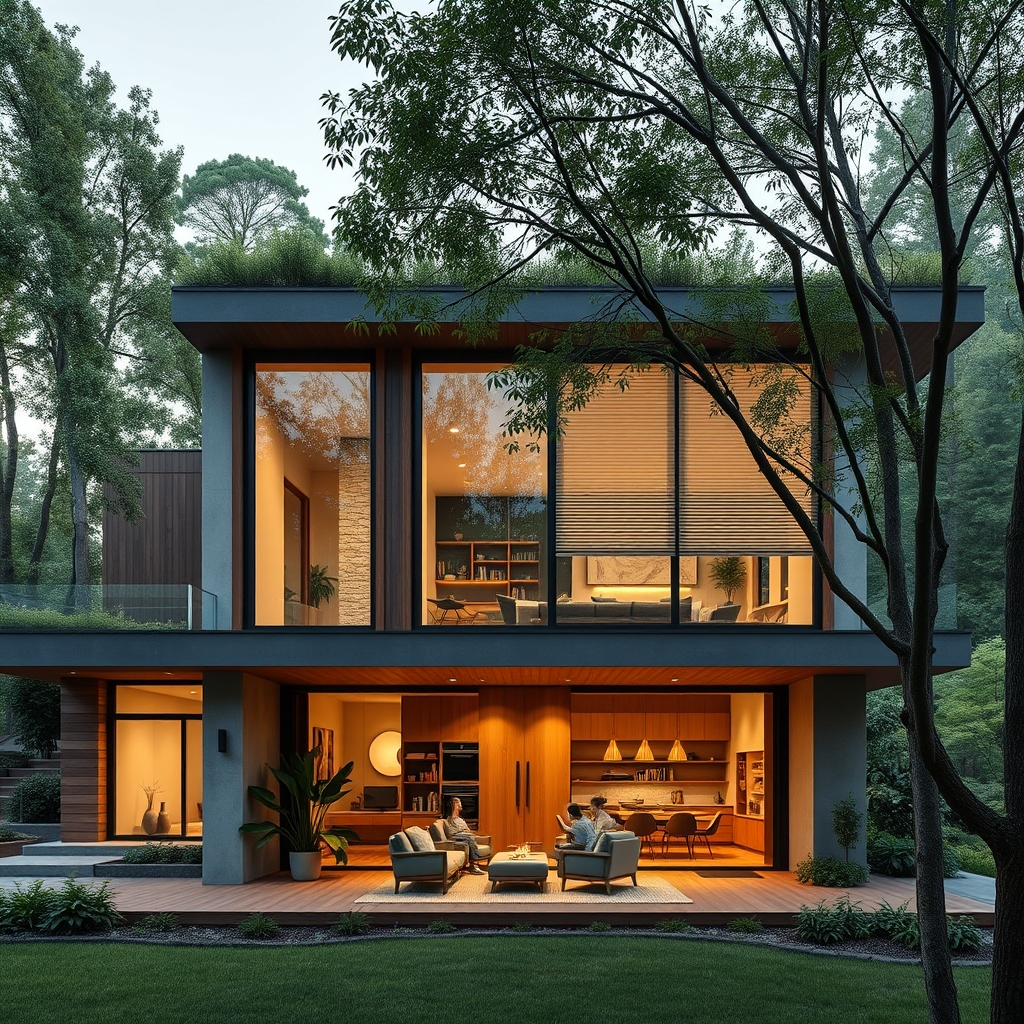
In an era where sustainability is no longer a luxury but a necessity, modern home design is undergoing a quiet revolution. The shift toward energy-efficient homes is not just about reducing utility bills—it’s about reimagining how we live, how we interact with our spaces, and how we contribute to a healthier planet. At the heart of this movement lies passive design, a philosophy that leverages natural elements to create homes that are comfortable, cost-effective, and environmentally responsible without relying heavily on mechanical systems.
The Principles of Passive Design
Passive design is rooted in the idea of working with nature, not against it. By carefully considering a home’s orientation, insulation, ventilation, and thermal mass, architects and builders can create spaces that maintain a consistent indoor temperature year-round. The key principles include:
1. Optimal Orientation
In the Northern Hemisphere, south-facing windows are strategically placed to capture maximum sunlight during winter, while overhangs or shading devices block the high summer sun. This simple yet effective strategy reduces the need for artificial heating and cooling, cutting energy consumption by up to 30%.
2. High-Performance Insulation
A well-insulated home acts like a thermos, keeping warmth in during winter and heat out during summer. Modern insulation materials, such as spray foam, rigid foam boards, and natural fibers like wool or cellulose, provide superior thermal resistance while minimizing air leakage. The result? A home that stays comfortable with minimal energy input.
3. Natural Ventilation
Cross-ventilation is a cornerstone of passive design, allowing fresh air to flow through a home without the need for energy-guzzling air conditioning. Strategically placed windows, vents, and even whole-house fans can create a natural breeze, improving indoor air quality while reducing reliance on mechanical cooling systems.
4. Thermal Mass
Materials with high thermal mass, such as concrete, brick, or stone, absorb heat during the day and release it slowly at night. This natural temperature regulation helps stabilize indoor climates, reducing the need for heating and cooling. In warmer climates, night purging—opening windows at night to flush out heat—can further enhance this effect.
Beyond Energy Savings: The Hidden Benefits of Passive Homes
While energy efficiency is the most obvious advantage of passive design, the benefits extend far beyond lower utility bills. Homes built with these principles in mind often boast superior indoor air quality, thanks to continuous ventilation and the use of non-toxic, eco-friendly materials. The absence of drafts and temperature fluctuations also creates a more comfortable living environment, reducing the risk of mold, dust mites, and other allergens.
Moreover, passive homes are inherently quieter. Thick insulation and airtight construction block external noise, creating a serene sanctuary away from the hustle and bustle of the outside world. For urban dwellers, this can be a game-changer, transforming a home into a true retreat.
Integrating Passive Design with Smart Technology
While passive design relies on natural principles, modern technology can enhance its effectiveness. Smart thermostats, for example, can learn a home’s thermal patterns and optimize heating and cooling schedules. Automated shading systems adjust in real-time to block or allow sunlight, while energy monitoring tools provide homeowners with insights into their consumption habits.
Even renewable energy systems, such as solar panels or geothermal heating, can be seamlessly integrated into passive homes. By combining these technologies, homeowners can achieve net-zero energy status—producing as much energy as they consume—while maintaining a sleek, modern aesthetic.
Challenges and Considerations
Despite its many advantages, passive design is not without its challenges. Upfront costs can be higher due to the need for high-quality materials and precise construction techniques. However, these costs are often offset by long-term savings on energy bills, making passive homes a sound investment.
Another consideration is climate. Passive design strategies must be tailored to a region’s specific weather patterns. For example, homes in hot, humid climates may prioritize shading and ventilation, while those in colder regions focus on insulation and solar gain. Working with an architect or builder experienced in passive design is crucial to ensuring a home’s success.
The Future of Energy-Efficient Living
As building codes evolve and sustainability becomes a priority, passive design is poised to become the standard rather than the exception. Governments and organizations worldwide are incentivizing energy-efficient construction through tax credits, rebates, and certification programs like Passive House (Passivhaus), which sets rigorous standards for energy performance.
For homeowners, the shift toward passive design represents an opportunity to live more sustainably without sacrificing comfort or style. It’s a chance to future-proof their homes against rising energy costs, climate change, and shifting lifestyle needs. By embracing these principles, we’re not just designing houses—we’re crafting legacies, one energy-efficient home at a time.
The beauty of passive design lies in its simplicity. It’s a return to the fundamentals of architecture, where form and function work in harmony with the natural world. In a time of rapid technological advancement and environmental uncertainty, it offers a timeless solution—one that proves sustainability and modern living are not just compatible, but inseparable.



