
The Silent Revolution: How Energy-Efficient Homes Are Redefining Modern Living
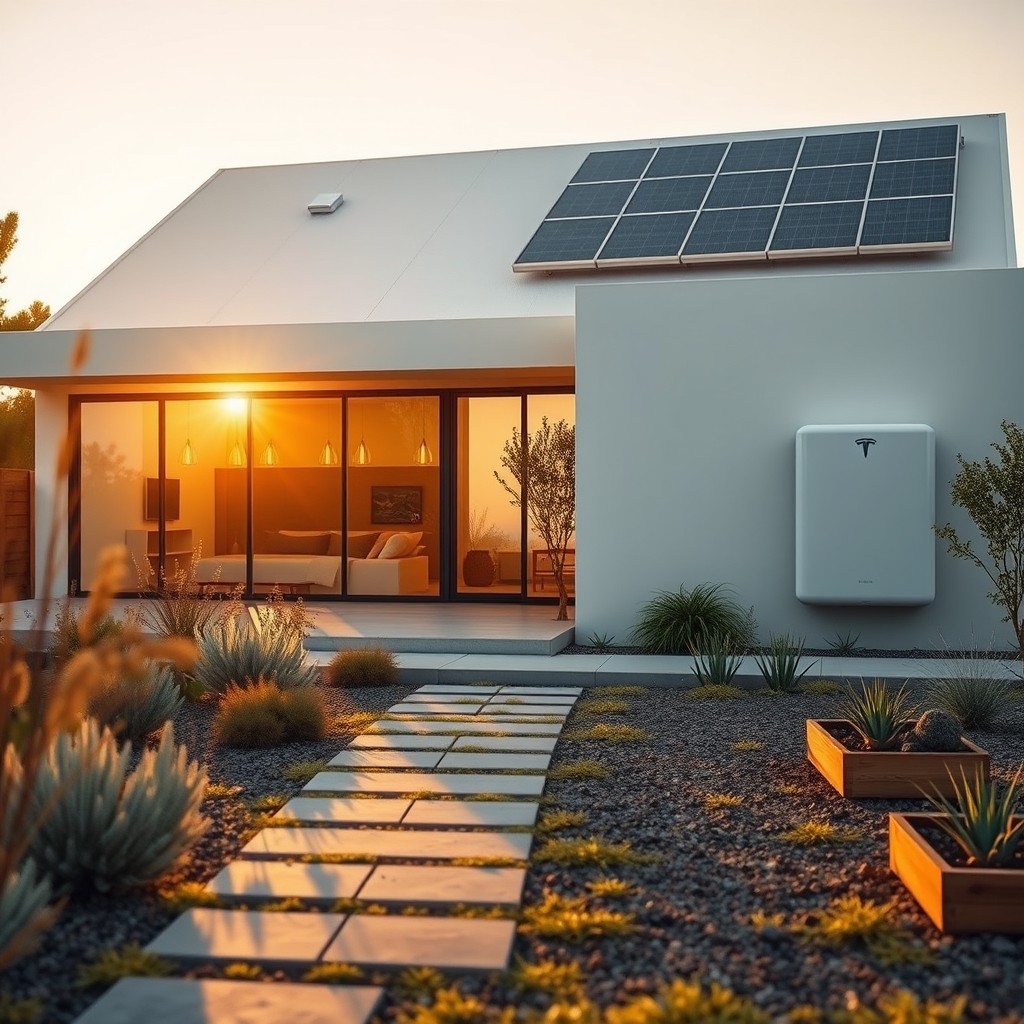
In an era where climate change and rising energy costs dominate global conversations, the shift toward energy-efficient homes is no longer just a trend—it’s a necessity. Modern homeowners are increasingly seeking ways to reduce their carbon footprint while enhancing comfort, cutting utility bills, and future-proofing their properties. The silent revolution of energy-efficient design is transforming how we think about residential spaces, blending cutting-edge technology with timeless architectural principles to create homes that are as sustainable as they are stylish.
The Foundations of Energy Efficiency
At the heart of energy-efficient homes lies a commitment to minimizing waste without sacrificing quality of life. This begins with the building envelope—the walls, roof, windows, and foundation that separate the interior from the external environment. High-performance insulation, such as spray foam or rigid foam boards, ensures that heating and cooling systems operate at peak efficiency by preventing thermal bridging and air leakage. Double or triple-glazed windows with low-emissivity (Low-E) coatings further reduce heat transfer, keeping interiors cooler in summer and warmer in winter.
Beyond insulation, the orientation of a home plays a pivotal role in its energy performance. Passive solar design leverages the sun’s natural path to maximize warmth during colder months while minimizing heat gain in the summer. Large, south-facing windows capture sunlight in winter, while overhangs, awnings, or deciduous trees provide shade when temperatures rise. This thoughtful approach to layout and landscaping can reduce reliance on artificial heating and cooling by up to 25%, making it a cornerstone of sustainable home design.
Smart Technology: The Brain Behind the Brawn
While structural elements form the backbone of energy efficiency, smart home technology acts as the nervous system, optimizing performance in real time. Smart thermostats, like those from Nest or Ecobee, learn household routines and adjust temperatures automatically to avoid unnecessary energy consumption. These devices can be controlled remotely via smartphone apps, allowing homeowners to tweak settings even when they’re away from home. Pairing them with zoned HVAC systems ensures that only occupied rooms are heated or cooled, further reducing waste.
Lighting is another area where smart technology shines. LED bulbs, which use up to 80% less energy than traditional incandescent bulbs, are now standard in energy-efficient homes. When combined with smart lighting systems, such as Philips Hue or Lutron, homeowners can schedule lights to turn on or off based on occupancy or natural light levels. Motion sensors and dimmers add another layer of efficiency, ensuring that lights are never left on unnecessarily. These small changes add up to significant savings over time, both in terms of energy consumption and utility costs.
Renewable Energy: Powering the Future
No discussion of energy-efficient homes would be complete without addressing renewable energy sources. Solar panels have become increasingly affordable and accessible, with many homeowners opting to install them on rooftops or as part of ground-mounted systems. Advances in photovoltaic (PV) technology have improved efficiency, allowing panels to generate more electricity even in low-light conditions. For those in regions with less sunlight, wind turbines or geothermal systems offer alternative ways to harness clean energy.
Battery storage systems, such as Tesla’s Powerwall or LG Chem’s RESU, allow homeowners to store excess energy generated during the day for use during peak demand hours or power outages. This not only reduces reliance on the grid but also provides a backup power source, adding an extra layer of resilience to modern homes. In some cases, homeowners can even sell excess energy back to the grid through net metering programs, turning their homes into mini power plants.
Material Innovations: Building for Longevity and Sustainability
The materials used in construction and renovation play a crucial role in a home’s energy efficiency. Sustainable options like reclaimed wood, recycled steel, and bamboo are not only eco-friendly but also durable and aesthetically pleasing. Insulated concrete forms (ICFs) and structural insulated panels (SIPs) offer superior thermal performance compared to traditional wood framing, reducing energy loss and improving indoor air quality.
For interior finishes, low-VOC (volatile organic compound) paints and sealants minimize indoor air pollution, creating healthier living environments. Similarly, energy-efficient appliances, such as ENERGY STAR-rated refrigerators, washing machines, and dishwashers, consume less water and electricity without compromising performance. Even small details, like water-saving faucets and showerheads, contribute to a home’s overall efficiency by reducing water waste.
The Aesthetic of Efficiency
One of the most persistent myths about energy-efficient homes is that they sacrifice style for sustainability. However, modern design has debunked this notion, proving that efficiency and aesthetics can coexist harmoniously. Minimalist living spaces, characterized by clean lines, open layouts, and natural materials, are inherently energy-efficient. Large windows and skylights flood interiors with natural light, reducing the need for artificial illumination, while open floor plans improve airflow and temperature regulation.
Luxury home design has also embraced energy efficiency, with high-end builders incorporating sustainable features into custom homes without compromising on elegance. From solar-powered infinity pools to smart glass windows that tint automatically to block UV rays, the possibilities are endless. Even outdoor living spaces can be designed with efficiency in mind, using permeable paving materials to reduce runoff and drought-resistant landscaping to minimize water usage.
As the demand for energy-efficient homes continues to grow, so too does the innovation driving this silent revolution. Homeowners no longer have to choose between sustainability and style, between comfort and cost savings. The homes of the future are being built today, not just to meet the needs of the present but to safeguard the planet for generations to come. Whether through smart technology, renewable energy, or thoughtful design, the shift toward energy efficiency is redefining what it means to live well—and responsibly—in the modern world.



