The Subtle Power of Negative Space: How Modern Home Design Embraces Air and Light for Serene Living
In the relentless pursuit of modern home design, where every square inch is often maximized for functionality and style, there’s a quiet revolution taking place—one that celebrates the unoccupied, the uncluttered, and the intentionally empty. Negative space, a concept borrowed from art and architecture, is redefining how we perceive and inhabit our living environments. It’s not about what’s there, but what isn’t. It’s the breath between the furniture, the pause in the decor, and the light that dances across unadorned walls. This philosophy is transforming homes into sanctuaries of calm, where simplicity and sophistication coexist in perfect harmony.
The Philosophy Behind Negative Space
Negative space, or the area around and between objects, has long been a cornerstone of minimalist design. However, its application in modern home design goes beyond mere aesthetics. It’s a deliberate choice to create balance, enhance focus, and evoke emotion. In a world saturated with stimuli, negative space acts as a visual palate cleanser, allowing the mind to rest and the eye to appreciate the beauty of what remains. Think of it as the silence between musical notes—essential for the melody to resonate.
This approach is rooted in the principles of Japanese design, where ma (the space between) is as significant as the objects themselves. It’s about creating a rhythm in the home, where emptiness and fullness coexist in a delicate dance. In modern interiors, this translates to open floor plans, unobstructed sightlines, and a careful curation of furnishings that leave room for the space to breathe. The result is an environment that feels expansive, even in the most compact of homes.
Designing with Intention: Practical Applications
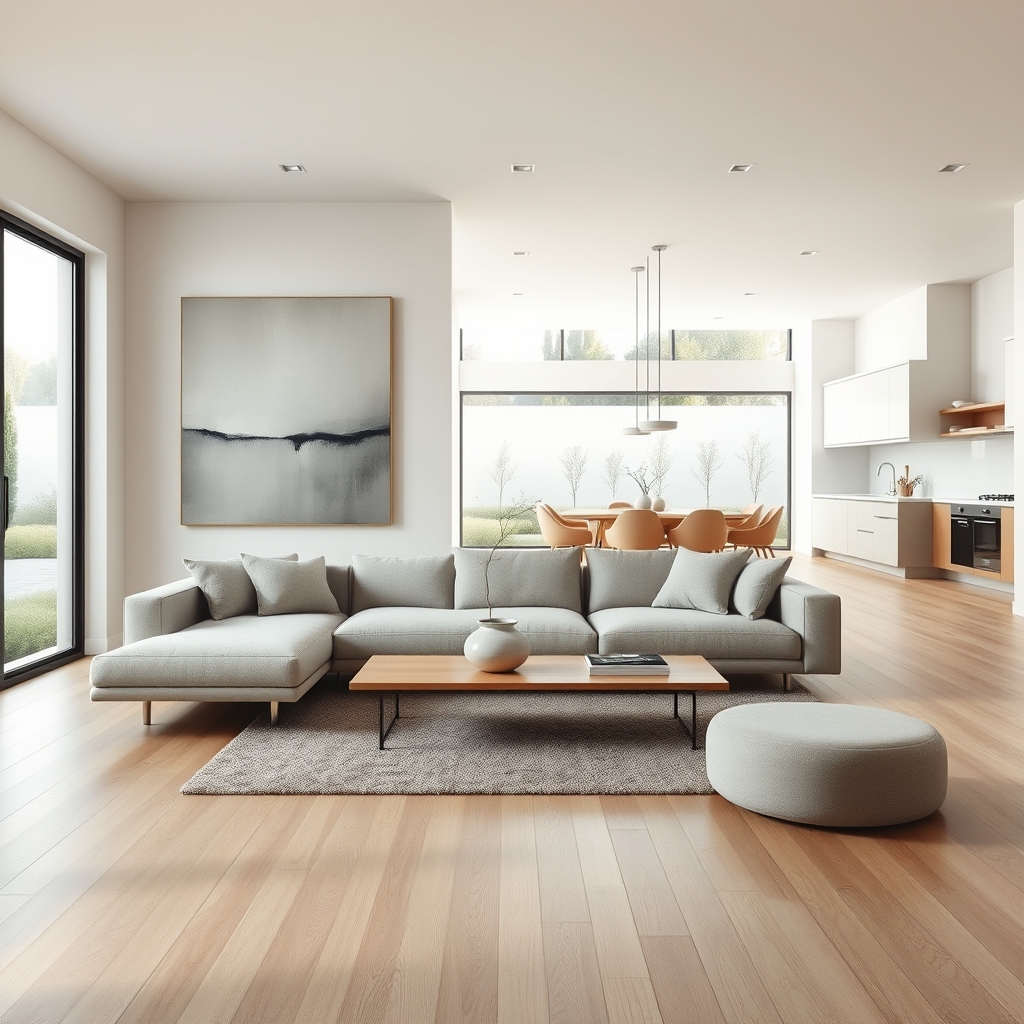
Incorporating negative space into home design doesn’t mean stripping a room of all its character. Instead, it’s about making mindful choices that prioritize openness and flow. Start with the layout: opt for furniture that is proportional to the room, leaving ample space for movement. A floating sofa in a living room, for example, can create the illusion of more floor space, while a minimalist dining table with slender legs allows light to pass through, maintaining an airy feel.
Walls and surfaces are another opportunity to embrace negative space. Instead of covering every inch with art or decor, consider a single statement piece—perhaps a large-scale painting or a sculptural light fixture—that draws the eye and leaves the surrounding area uncluttered. In kitchens, open shelving can replace bulky cabinets, offering a place to display a few carefully chosen items while keeping the rest of the space clean and unencumbered. Even in bathrooms, a freestanding tub or a vanity with open legs can contribute to a sense of lightness and openness.
The Role of Light and Material
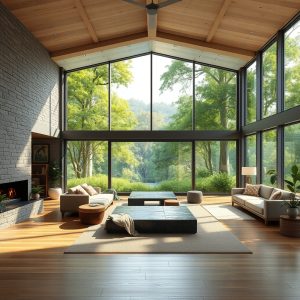
Light is the invisible thread that weaves negative space into the fabric of a home. Natural light, in particular, amplifies the effect by casting shadows and highlights that define the emptiness. Large windows, skylights, and glass doors are essential in modern homes designed with negative space in mind. They blur the boundaries between indoors and outdoors, making the space feel larger and more connected to nature. When natural light isn’t abundant, layered lighting—such as recessed lights, floor lamps, and pendant fixtures—can create depth and dimension, enhancing the perception of space.
Materials also play a crucial role. Light-colored surfaces, such as white walls, pale wood floors, and reflective finishes, can make a room feel more open and airy. Conversely, darker tones can be used strategically to create contrast and draw attention to specific areas. Textures, too, add richness without clutter. A plush rug, a linen sofa, or a matte-finished countertop can introduce warmth and tactile interest while maintaining the minimalist ethos of negative space.
Negative Space in Small and Large Homes Alike
One of the most compelling aspects of negative space is its versatility. It’s not reserved for sprawling lofts or expansive estates; it can be just as transformative in small apartments or cozy cottages. In compact spaces, negative space is a tool for illusion—tricking the eye into perceiving more room than there actually is. For instance, a mirror placed opposite a window can double the light and create the impression of depth. Similarly, a glass-topped coffee table or a see-through acrylic chair can maintain visual continuity, making the space feel less crowded.
In larger homes, negative space prevents the environment from feeling overwhelming or impersonal. It creates pockets of tranquility, where the mind can rest amid the grandeur. A grand foyer, for example, can be balanced with a single, striking console table and a piece of art, leaving the rest of the space open and inviting. In open-concept living areas, negative space can delineate zones without the need for walls or dividers. A strategically placed rug or a change in flooring material can subtly separate the living room from the dining area, while still allowing the space to feel cohesive and fluid.
The Psychological and Emotional Impact
The benefits of negative space extend far beyond aesthetics. Psychologically, it reduces visual noise, which can lower stress levels and improve mental clarity. A clutter-free environment allows the brain to process information more efficiently, fostering a sense of calm and well-being. This is particularly important in today’s fast-paced world, where our homes have become multifunctional spaces for work, relaxation, and connection. Negative space acts as a buffer, giving us the mental room to unwind and recharge.
Emotionally, negative space invites us to slow down and appreciate the present moment. It encourages mindfulness, as the simplicity of the environment prompts us to focus on what truly matters. In a home designed with negative space, every object has purpose and meaning, whether it’s a cherished heirloom, a piece of art, or a functional item that brings joy. This intentionality fosters a deeper connection to our living spaces, transforming them from mere shelters into reflections of our values and aspirations.
Integrating Negative Space with Smart Technology
In the age of smart homes, negative space takes on a new dimension. Technology, when integrated thoughtfully, can enhance the sense of openness and simplicity. For example, built-in speakers, hidden wiring, and wireless charging stations eliminate visual clutter, allowing the space to remain unobstructed. Smart lighting systems can adjust the ambiance to complement the natural light, further emphasizing the interplay between emptiness and fullness. Even furniture is getting smarter—think of retractable desks, foldable tables, and modular seating that can be reconfigured to suit different needs, all while maintaining the clean lines and open feel of the space.
However, the key is balance. While smart technology can streamline our lives, it’s important not to let it dominate the space. The goal is to create a home that feels both advanced and serene, where technology serves as an enabler rather than a distraction. This means choosing devices that blend seamlessly into the design, such as sleek thermostats, minimalist security cameras, and voice-activated assistants that disappear into the background.
As we continue to redefine what it means to live well in the modern world, negative space offers a powerful antidote to the chaos of everyday life. It reminds us that beauty lies not in excess, but in restraint; not in noise, but in silence. By embracing the emptiness, we create homes that are not just visually stunning, but emotionally nourishing—spaces that invite us to pause, breathe, and simply be. In a world that often feels crowded and overwhelming, these moments of stillness are the ultimate luxury, a testament to the transformative power of thoughtful design.