The Synergy of Form and Function: Crafting Modern Homes with Intentional Design and Smart Innovation
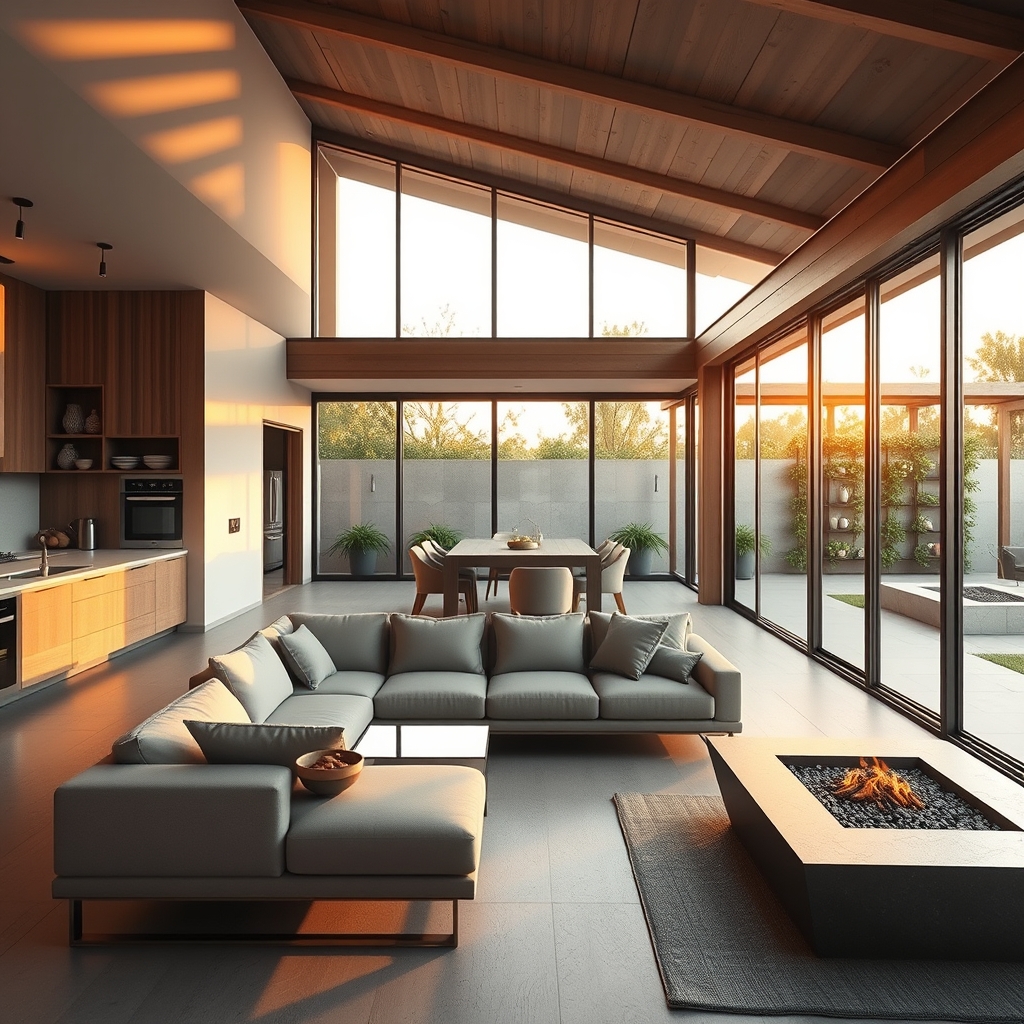
The modern home is no longer just a shelter; it is a dynamic ecosystem where design, technology, and sustainability converge to create spaces that are as intelligent as they are inspiring. The shift toward intentional living has redefined what it means to design a home, emphasizing not just aesthetics but also functionality, adaptability, and well-being. This evolution is driven by a growing awareness that our living spaces should work for us, not against us—seamlessly integrating into our daily routines while enhancing our quality of life.
The Philosophy of Intentional Design
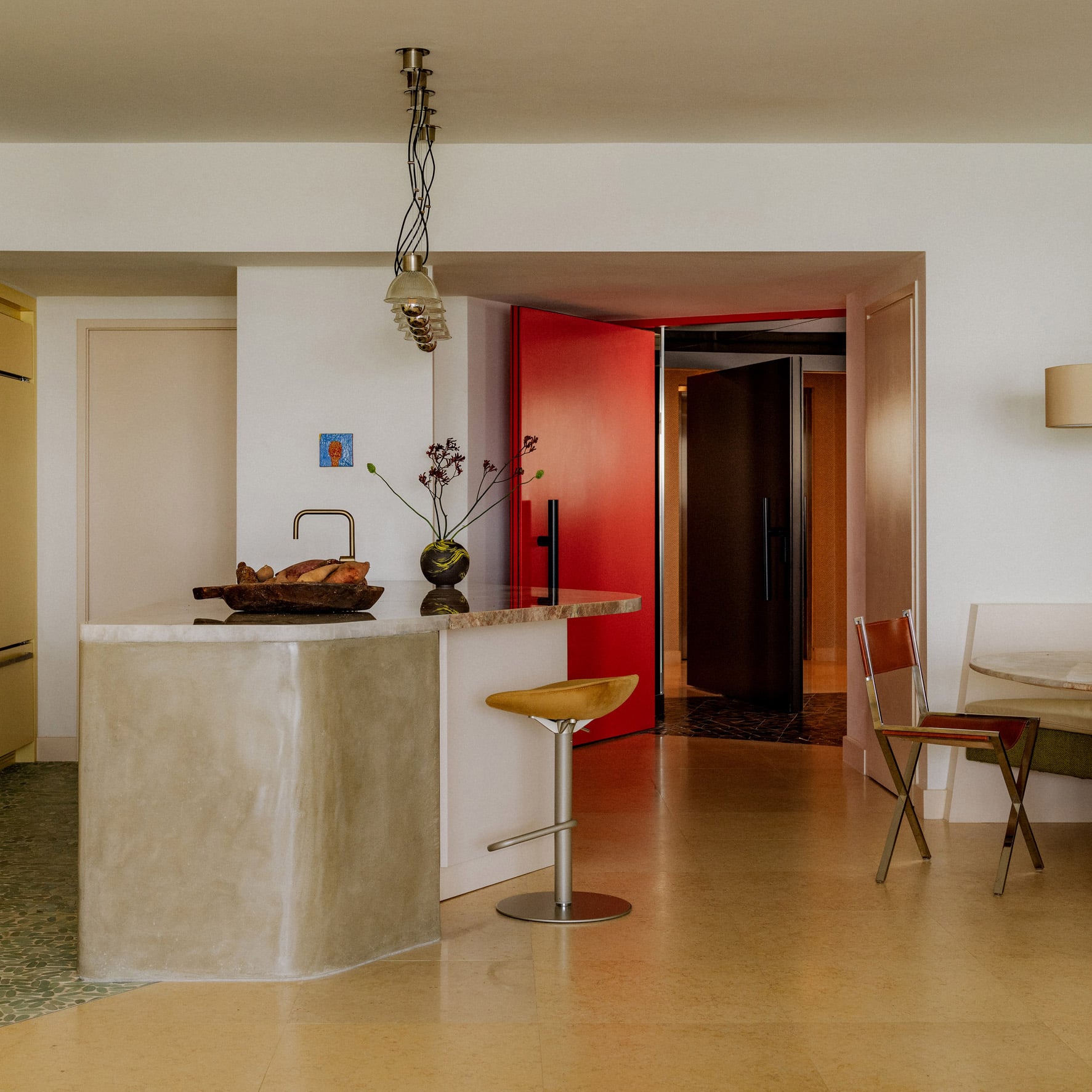
Intentional design is about making deliberate choices that align with how we live, work, and interact within our homes. It’s a departure from the era of excess, where more was often mistaken for better. Today, homeowners and designers alike are prioritizing purpose over ornamentation, focusing on creating spaces that serve multiple functions without sacrificing style. This approach is particularly evident in the rise of multi-functional furniture, modular layouts, and zoned living areas that adapt to the needs of the moment—whether it’s a home office that transforms into a guest room or a kitchen island that doubles as a dining table and workspace.
The principles of intentional design extend beyond furniture and layout. Materials, textures, and even color palettes are chosen with intention, reflecting a desire for harmony and balance. Natural materials like wood, stone, and linen are favored for their timeless appeal and ability to create a sense of warmth and connection to the environment. Meanwhile, neutral color schemes with strategic pops of color are used to evoke specific moods, whether it’s calm and relaxation in a bedroom or energy and creativity in a home office.
Smart Innovation: The Backbone of Modern Living
Technology has become an indispensable part of modern home design, offering solutions that enhance convenience, security, and efficiency. Smart home systems are no longer a luxury but a standard expectation, with innovations like voice-activated assistants, automated lighting, and climate control systems becoming commonplace. These technologies are not just about novelty; they are about creating a home that anticipates and responds to the needs of its inhabitants.
One of the most significant advancements in smart home technology is the integration of artificial intelligence. AI-powered systems can learn from user behavior, adjusting lighting, temperature, and even music preferences to create a personalized living experience. For example, a smart thermostat can optimize energy usage by learning when the home is occupied and adjusting the temperature accordingly, reducing waste and lowering utility bills. Similarly, smart security systems can provide real-time alerts and remote monitoring, giving homeowners peace of mind whether they’re at home or away.
Beyond convenience, smart technology is also playing a crucial role in sustainability. Energy-efficient appliances, solar panels, and smart irrigation systems are just a few examples of how technology is being used to reduce a home’s environmental footprint. These innovations not only benefit the planet but also offer long-term cost savings, making them a win-win for homeowners and the environment alike.
Sustainability as a Design Imperative
Sustainability is no longer an afterthought in modern home design; it is a fundamental consideration that shapes every decision, from the materials used to the construction methods employed. The shift toward eco-conscious living is driven by a growing awareness of the environmental impact of our choices and a desire to create homes that are both beautiful and responsible.
One of the most prominent trends in sustainable home design is the use of reclaimed and recycled materials. Reclaimed wood, for example, adds character and history to a space while reducing the demand for new timber. Similarly, recycled metal and glass can be used in everything from countertops to light fixtures, offering a unique aesthetic while minimizing waste. Additionally, low-VOC (volatile organic compound) paints and finishes are becoming the standard, improving indoor air quality and reducing harmful emissions.
Energy efficiency is another cornerstone of sustainable design. Passive design strategies, such as orienting a home to maximize natural light and ventilation, can significantly reduce the need for artificial heating and cooling. Meanwhile, high-performance insulation, energy-efficient windows, and solar panels can further enhance a home’s sustainability, making it more self-sufficient and reducing its reliance on non-renewable energy sources.
Blurring the Lines Between Indoors and Out
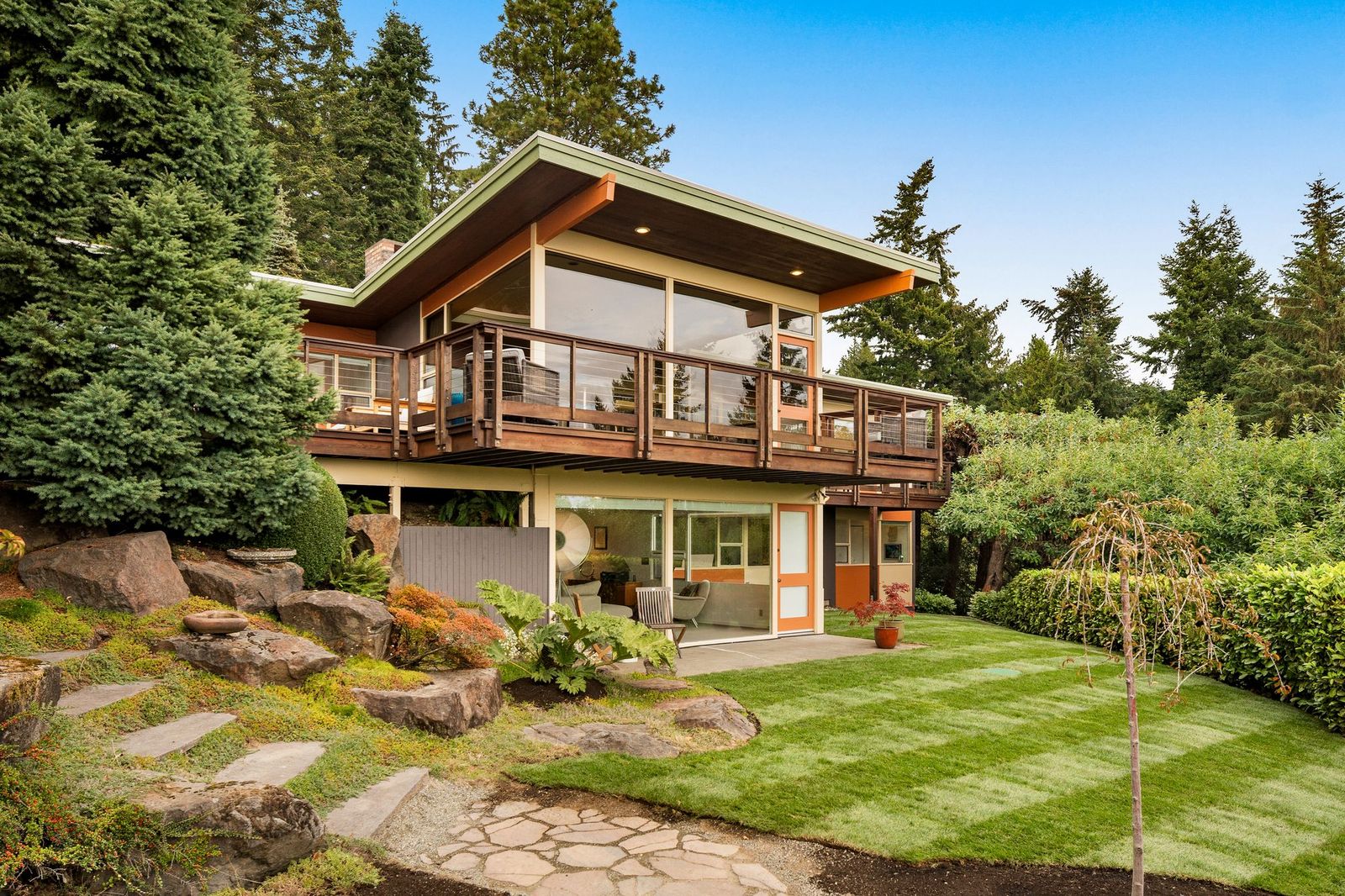
The modern home is increasingly designed to foster a deeper connection with nature, blurring the lines between indoor and outdoor living. This trend is driven by a desire to create spaces that promote well-being, offering a retreat from the hustle and bustle of daily life. Large windows, sliding glass doors, and outdoor living areas are just a few of the ways designers are bringing the outside in, creating a seamless flow between the interior and exterior of the home.
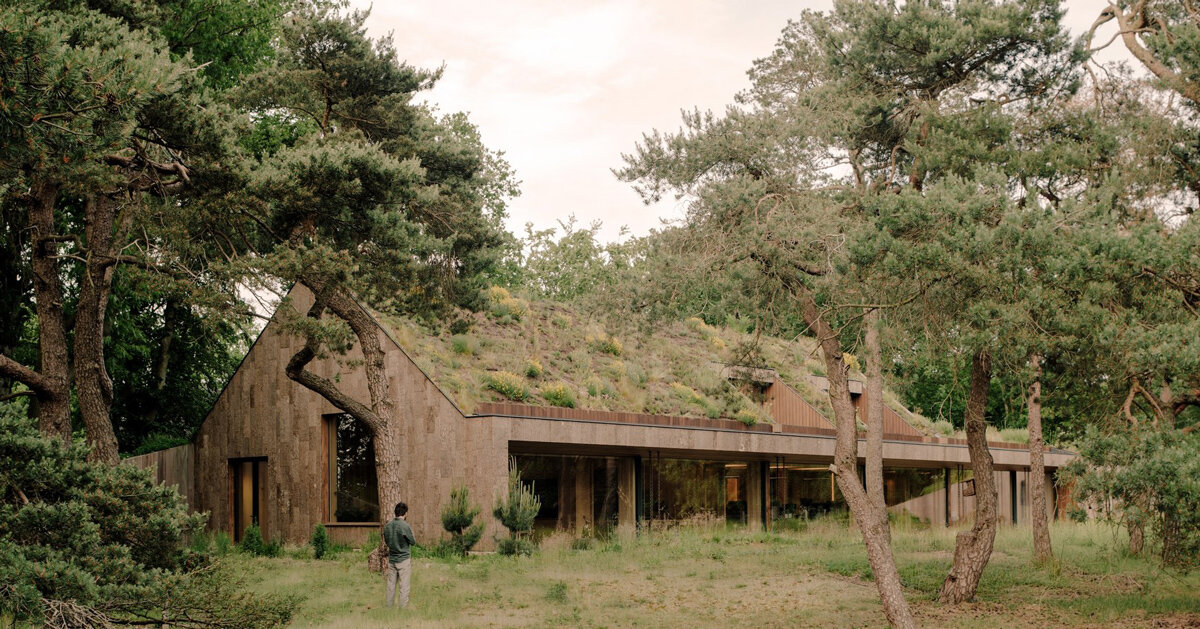
Outdoor living spaces are no longer an afterthought but an integral part of the home’s design. Covered patios, outdoor kitchens, and fire pits extend the living area beyond the walls of the home, providing additional space for relaxation and entertainment. Landscaping is also playing a key role in this trend, with native plants and drought-resistant gardens becoming popular choices for their low maintenance and environmental benefits. Water features, such as ponds and fountains, can add a sense of tranquility, while vertical gardens and green roofs offer a creative way to incorporate greenery into urban spaces.
The Future of Modern Home Design
The future of modern home design lies in the seamless integration of intentional design, smart innovation, and sustainability. As technology continues to evolve, we can expect to see even more advanced solutions that enhance the way we live, from AI-powered home management systems to self-sustaining homes that generate their own energy and water. At the same time, the focus on sustainability will only grow stronger, with designers and homeowners alike seeking ways to minimize their environmental impact without compromising on style or comfort.
Ultimately, the modern home is a reflection of our values and aspirations. It is a space that should inspire, nurture, and adapt to our needs, offering a sanctuary from the outside world while keeping us connected to what matters most. By embracing intentional design, smart technology, and sustainable practices, we can create homes that are not only beautiful and functional but also future-proof, ensuring they remain relevant and valuable for years to come. The key lies in striking the right balance—where form and function coexist harmoniously, and innovation serves as a tool for enhancing our lives rather than complicating them.