
The Living Tapestry: How Flexible Living Solutions Weave the Future of Personalized Home Design
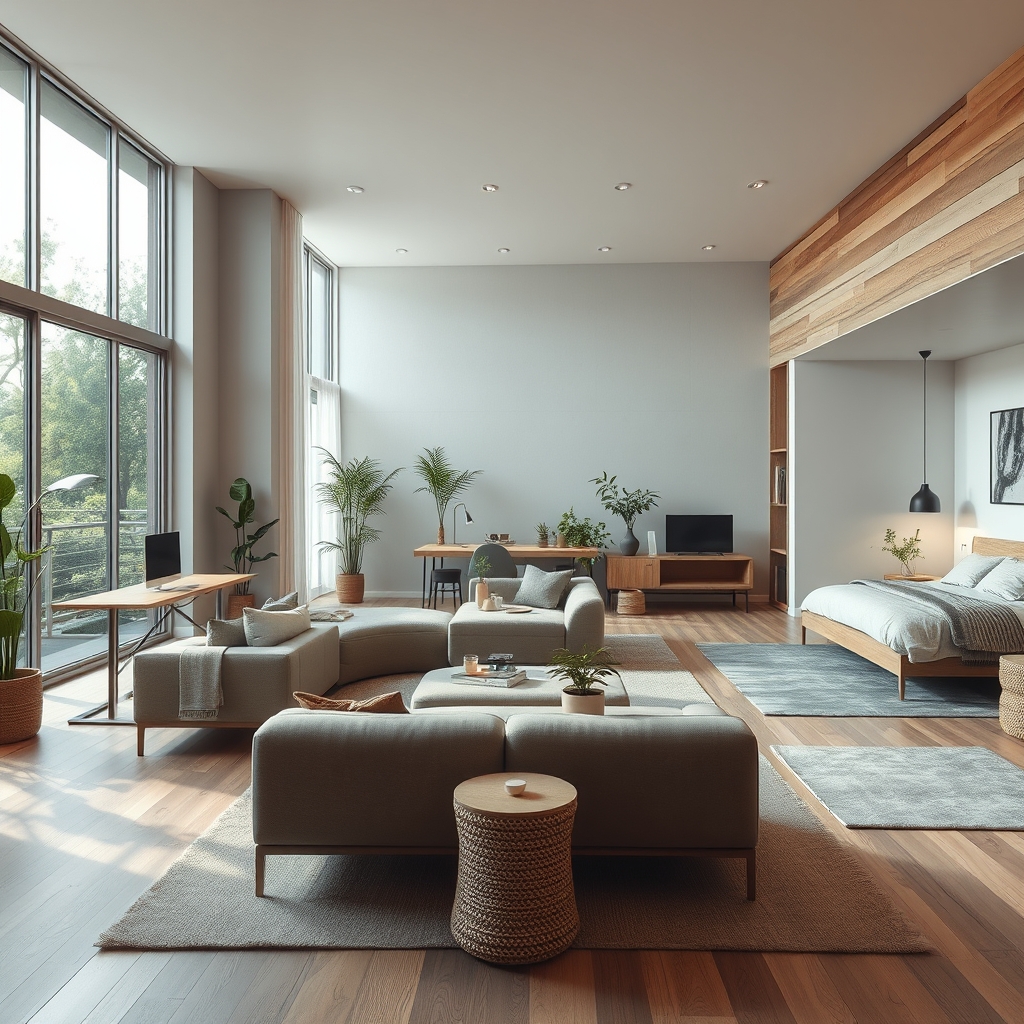
In an era where the boundaries between work, leisure, and personal growth blur more than ever, the spaces we inhabit must evolve to meet our dynamic needs. The concept of home is no longer static; it is a living entity that adapts, breathes, and grows alongside us. Flexible living solutions are at the forefront of this transformation, redefining how we interact with our environments by prioritizing adaptability, functionality, and emotional resonance. These solutions are not merely about movable walls or modular furniture—they represent a paradigm shift in how we perceive and design the spaces we call home.
The Philosophy Behind Flexible Living
At its core, flexible living is rooted in the idea that our environments should serve as extensions of ourselves. Traditional home design often imposes rigid structures that fail to accommodate the fluidity of modern life. Whether it’s the need for a home office that doubles as a guest room, a kitchen that transforms into a social hub, or a bedroom that adapts to different moods and activities, flexibility is the key to creating spaces that truly work for us. This philosophy is deeply intertwined with human-centric architecture, where the focus shifts from aesthetics alone to the emotional and psychological well-being of the inhabitants.
Flexible living solutions draw inspiration from adaptive living spaces, which emphasize the seamless integration of technology and design to create environments that respond to our needs in real time. Imagine a living room that adjusts its lighting and temperature based on the time of day or a workspace that reconfigures itself to support focus or collaboration. These innovations are not futuristic fantasies but tangible realities that are reshaping the way we live.
The Role of Technology in Flexible Design
Technology is a cornerstone of flexible living, enabling spaces to be more responsive and intuitive. Smart home experience design plays a pivotal role in this evolution, allowing homeowners to control and customize their environments with ease. From voice-activated systems that adjust lighting and sound to AI-driven platforms that learn and anticipate our preferences, technology is making homes more adaptable than ever before. Digital twin interior modeling, for instance, allows designers and homeowners to create virtual replicas of their spaces, experimenting with different layouts and configurations before implementing them in the physical world.
Interactive interior planning tools further enhance this process by enabling users to visualize and modify their spaces in real time. These tools empower individuals to become active participants in the design process, fostering a sense of ownership and connection to their environments. The result is a home that is not only functional but also deeply personal, reflecting the unique lifestyle and preferences of its inhabitants.
Designing for Emotional Resonance
While functionality is a critical aspect of flexible living, it is equally important to consider the emotional impact of our environments. Emotionally resonant interiors are designed to evoke specific feelings and responses, creating spaces that nurture our well-being. This approach is rooted in psychological space optimization, which seeks to align our surroundings with our mental and emotional needs. For example, a flexible workspace might incorporate biophilic design elements, such as natural light and indoor plants, to reduce stress and enhance productivity.
Color, texture, and material selection also play a significant role in crafting emotionally intelligent spaces. Conscious material selection ensures that the materials used in a home are not only sustainable but also sensory-rich, engaging our sense of touch, sight, and even smell. A minimalist lifestyle design, for instance, might prioritize clean lines and neutral tones to create a sense of calm, while a cultural narrative interior could incorporate textures and patterns that reflect the homeowner’s heritage and identity.
The Intersection of Sustainability and Flexibility
Flexible living solutions are inherently sustainable, as they prioritize longevity and adaptability over disposable design. By creating spaces that can evolve with our changing needs, we reduce the need for frequent renovations and minimize waste. Sustainable home styling goes hand in hand with flexible design, emphasizing the use of eco-friendly materials and energy-efficient technologies. For example, modular furniture that can be reconfigured or repurposed extends the lifespan of a space, while smart home systems optimize energy consumption based on occupancy and usage patterns.
Biophilic design integration further enhances the sustainability of flexible living spaces by fostering a deeper connection to nature. Incorporating natural elements such as wood, stone, and water features not only reduces the environmental impact of a home but also promotes well-being by creating a sense of harmony and balance. These elements can be seamlessly integrated into flexible designs, ensuring that sustainability is not an afterthought but a fundamental aspect of the design process.
The Future of Flexible Living
As we look to the future, flexible living solutions will continue to evolve, driven by advancements in technology and a deeper understanding of human-centric design. The rise of co-creative design processes, where homeowners collaborate with designers and architects to create personalized spaces, will further democratize the design process, making it more inclusive and accessible. These collaborative approaches ensure that homes are not only functional and beautiful but also deeply meaningful, reflecting the unique stories and identities of their inhabitants.
Wellness-focused home design will also play a crucial role in shaping the future of flexible living. By prioritizing the physical, mental, and emotional well-being of occupants, designers can create spaces that support holistic health. This might include features such as circadian lighting systems that mimic natural light patterns, air purification systems that improve indoor air quality, or acoustic design elements that reduce noise pollution. These innovations will transform homes into sanctuaries that nurture and rejuvenate, rather than merely shelter.
The homes of the future will be dynamic, responsive, and deeply personal, reflecting the ever-changing needs and desires of their inhabitants. They will be spaces that not only adapt to our lifestyles but also inspire and uplift us, fostering a sense of connection and belonging. In this new era of design, flexibility is not just a feature—it is a philosophy that redefines what it means to live well, creating environments that are as unique and multifaceted as the people who inhabit them. The tapestry of flexible living is still being woven, and each thread represents a step toward a more adaptable, sustainable, and emotionally resonant future.



