
The Living Palette: How Smart Home Experience Design Transforms Spaces into Emotional Ecosystems
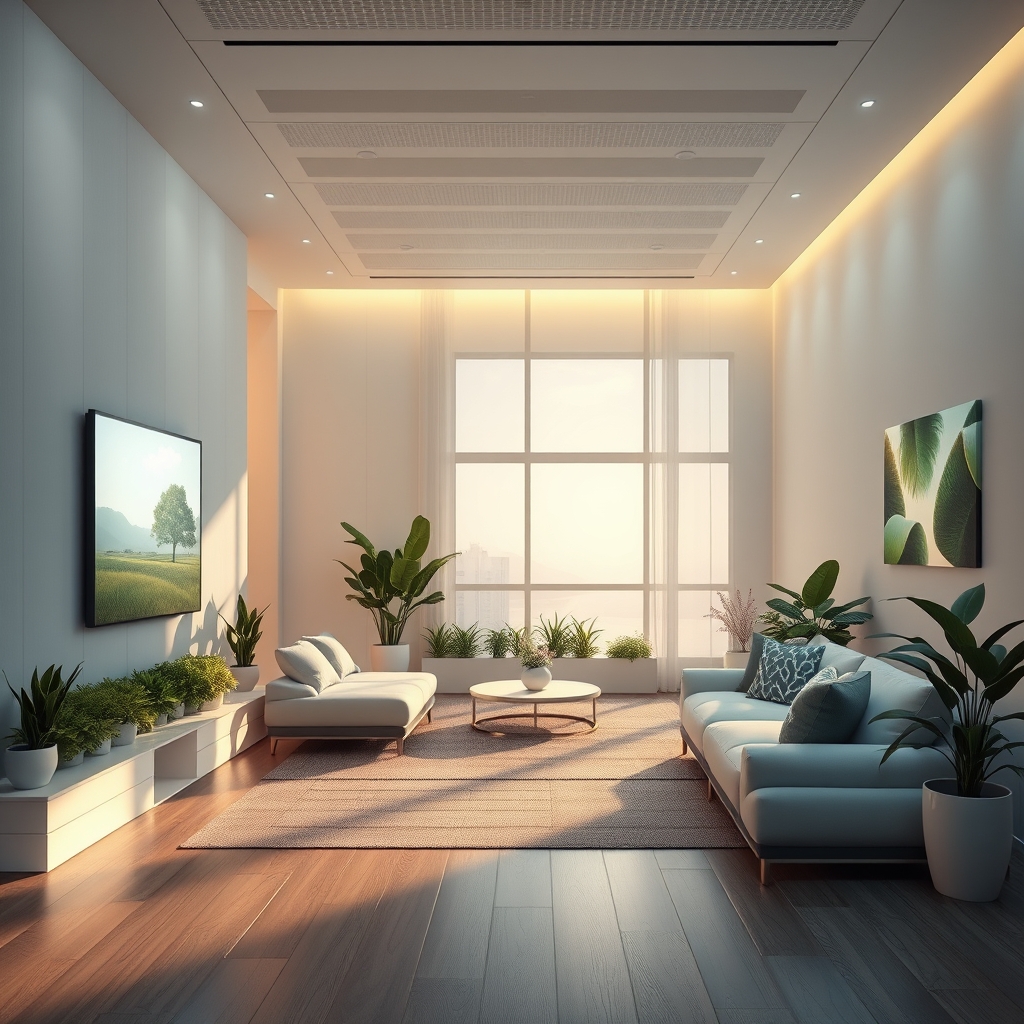
Imagine stepping into a room that not only recognizes your presence but responds to your mood, anticipates your needs, and evolves with your daily rhythms. This is no longer the stuff of science fiction—it’s the emerging reality of smart home experience design, where technology and human-centric architecture converge to create living spaces that feel almost alive. These environments don’t just house us; they engage with us, fostering a dynamic relationship between space and inhabitant that transcends traditional notions of interior design.
The Evolution of Smart Homes: Beyond Automation
Smart homes have come a long way from their early iterations, which often prioritized convenience over connection. The first wave of smart home technology focused on automation—lights that turned on with a clap, thermostats that adjusted based on schedules, and security systems that could be monitored remotely. While these innovations were groundbreaking, they lacked a deeper understanding of human behavior and emotional needs. Today, smart home experience design is shifting toward a more holistic approach, one that integrates adaptive living spaces with the nuances of human psychology and well-being.
At the heart of this evolution is the concept of emotionally intelligent spaces. These are environments that don’t just respond to commands but adapt to the subtle cues of their inhabitants. For example, a smart home might adjust lighting, temperature, and even scent diffusion based on biometric feedback, such as heart rate or stress levels. This level of personalization transforms a house into a living ecosystem, one that nurtures its occupants rather than merely accommodating them.
The Role of Sensory Interior Environments
Sensory interior environments are a cornerstone of smart home experience design. By engaging multiple senses—sight, sound, touch, smell, and even taste—these spaces create immersive experiences that resonate on a deeper emotional level. Consider the impact of dynamic lighting systems that mimic the natural progression of daylight, or soundscapes that shift from calming to energizing based on the time of day. These elements don’t just enhance aesthetics; they actively contribute to our mental and emotional well-being.
One of the most compelling aspects of sensory design is its ability to evoke psychological space optimization. For instance, a room with warm, diffused lighting and soft textures can create a sense of safety and relaxation, while a space with cooler tones and sleek surfaces might foster focus and productivity. By thoughtfully curating these sensory elements, designers can craft environments that align with the psychological needs of their inhabitants, whether they’re seeking refuge, inspiration, or connection.
Biophilic Design Integration: Bringing Nature Indoors
No discussion of sensory interior environments would be complete without mentioning biophilic design. This approach integrates natural elements into living spaces, fostering a connection to the outdoors that is often lacking in modern urban environments. Smart homes are taking biophilic design to the next level by incorporating adaptive features like living walls that adjust their moisture levels based on humidity, or indoor gardens that thrive under automated grow lights. These elements don’t just beautify a space; they enhance air quality, reduce stress, and promote a sense of well-being.
Moreover, biophilic design in smart homes can be personalized to reflect the unique preferences of their inhabitants. For example, a homeowner who loves the sound of rain might program their smart home to play a gentle rain soundscape in the evening, paired with subtle lighting that mimics the glow of a sunset. These small but meaningful touches transform a house into a sanctuary, one that nurtures the human spirit through nature-inspired design.
The Power of Personalization: Crafting Bespoke Living Experiences
One of the most exciting frontiers in smart home experience design is the rise of personalized interior concepts. Thanks to advancements in artificial intelligence and machine learning, smart homes can now learn from their inhabitants’ behaviors and preferences, creating bespoke living experiences that feel uniquely tailored. Imagine a home that adjusts its layout based on your daily routine—opening up the kitchen for a family breakfast on weekends, then transforming into a quiet workspace during the week. Or a bedroom that shifts its ambiance from a restful retreat at night to an energizing space in the morning, all based on your sleep patterns and schedule.
This level of personalization extends beyond aesthetics and functionality. It also encompasses emotionally resonant interiors, where spaces are designed to evoke specific feelings or memories. For example, a smart home might display digital art that changes based on the time of year, or play a favorite song when you walk through the door. These personalized touches create a sense of belonging and emotional connection, turning a house into a true home.
Co-Creative Design Processes: A Collaborative Approach
The future of smart home experience design lies in co-creative processes, where designers, technologists, and homeowners collaborate to craft spaces that reflect individual identities and lifestyles. This approach moves beyond the one-size-fits-all model of traditional interior design, instead embracing a flexible and iterative process that evolves with the needs of its inhabitants. For example, a family might work with a designer to create a modular living space that can be reconfigured for different activities—hosting dinner parties, working from home, or relaxing with a movie night. Smart technology can then enhance these configurations, adjusting lighting, temperature, and even furniture layouts to suit each scenario.
Co-creative design also empowers homeowners to take an active role in shaping their living environments. With tools like digital twin interior modeling, they can visualize and experiment with different design options before making any physical changes. This not only ensures that the final space aligns with their vision but also fosters a deeper sense of ownership and connection to their home.
Sustainable Home Styling: A Conscious Approach to Smart Living
As smart home technology continues to evolve, so too does the emphasis on sustainability. Conscious material selection and energy-efficient design are no longer optional—they’re essential components of modern smart homes. For example, smart thermostats and lighting systems can significantly reduce energy consumption, while sustainable materials like reclaimed wood, bamboo, and recycled metals can minimize environmental impact without sacrificing aesthetics.
Moreover, smart homes are increasingly incorporating wellness-focused design principles, such as air purification systems, non-toxic building materials, and spaces dedicated to mindfulness and relaxation. These elements not only enhance the health and well-being of inhabitants but also contribute to a more sustainable and eco-conscious lifestyle. By integrating technology with sustainable design, smart homes are paving the way for a future where luxury and responsibility go hand in hand.
In a world where our lives are increasingly intertwined with technology, smart home experience design offers a glimpse into a future where our living spaces are not just functional but deeply meaningful. These environments don’t just respond to our needs—they anticipate them, adapt to them, and evolve with them, creating a dynamic and symbiotic relationship between space and inhabitant. As we continue to explore the possibilities of immersive spatial design, one thing is clear: the homes of the future will be as unique and multifaceted as the people who live in them, crafting experiences that resonate on an emotional, sensory, and psychological level.



