The Invisible Echo: How Psychological Space Optimization Transforms Homes into Emotional Sanctuaries
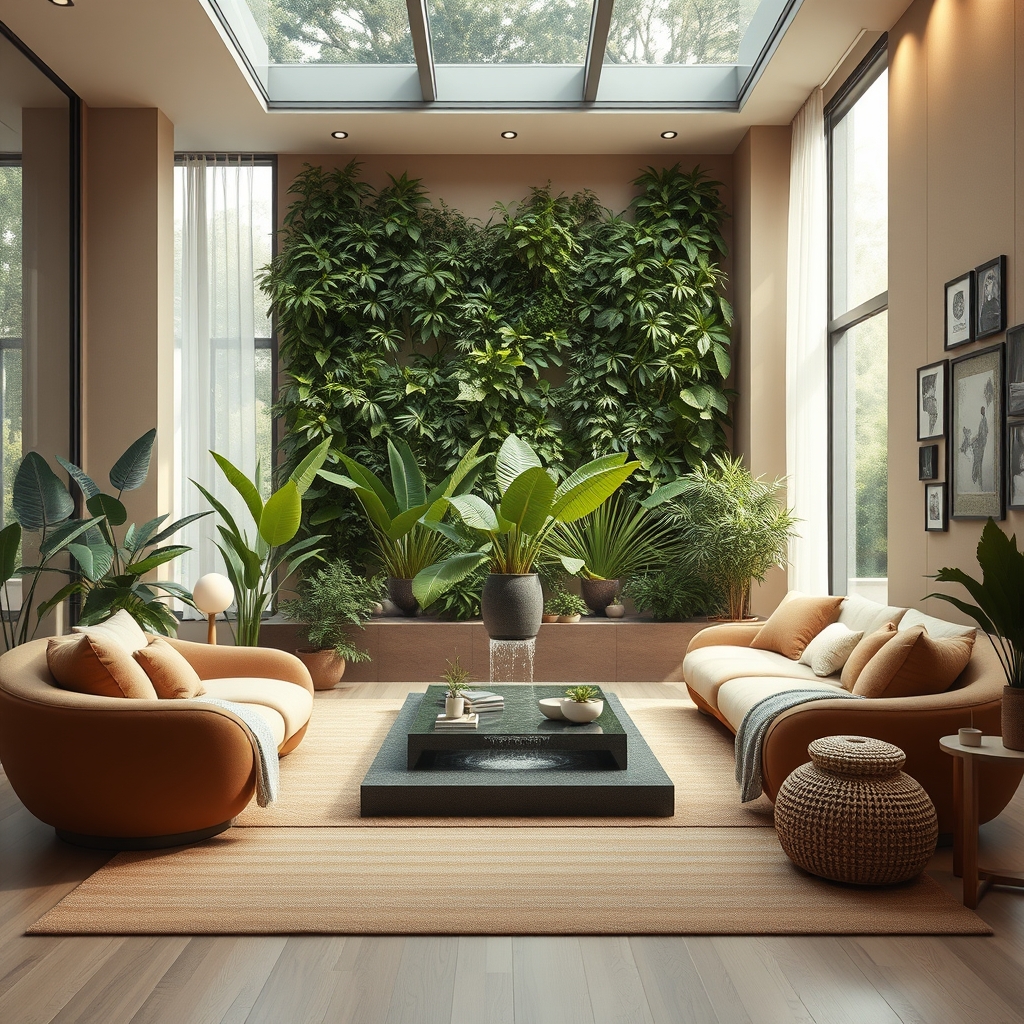
Imagine stepping into a room that instantly calms your racing mind, a space where every corner seems to understand your mood before you do. This is no accident—it’s the result of psychological space optimization, a design philosophy that treats interiors as living entities capable of nurturing emotional well-being. Unlike traditional design, which often prioritizes aesthetics or functionality alone, this approach delves into the subtle interplay between environment and psyche, crafting spaces that don’t just house us but heal us.
The Science Behind the Silence
At the heart of psychological space optimization lies the understanding that our surroundings shape our mental state in profound ways. Studies in environmental psychology reveal that factors like lighting, color temperature, spatial flow, and even the presence of natural elements can influence cortisol levels, focus, and emotional resilience. For instance, a study published in the Journal of Environmental Psychology found that rooms with soft, diffused lighting and organic textures reduced stress markers by up to 30% compared to stark, fluorescent-lit spaces. These insights are not merely academic; they are the building blocks of interiors designed to act as emotional anchors.
Designers leveraging this philosophy often begin by mapping the psychological needs of the inhabitants. Are they seeking solace after a long day? A space that fuels creativity? Or perhaps an environment that fosters connection? By identifying these emotional goals, they can tailor every element—from the curvature of furniture to the acoustics of a room—to align with the desired mental state. For example, a home office designed for deep focus might incorporate sound-absorbing materials, ergonomic contours, and a palette of muted blues, a color associated with cognitive clarity.
The Role of Adaptive Elements
Static spaces struggle to meet the dynamic needs of human emotion. This is where adaptive living spaces come into play, integrating technology and design to create environments that evolve alongside their occupants. Smart lighting systems, for instance, can adjust color temperature throughout the day—cool and invigorating in the morning, warm and soothing by evening. Similarly, modular furniture allows spaces to transform from a collaborative hub during the day to a serene retreat by night, ensuring the environment remains in harmony with the user’s shifting emotional landscape.
One striking example is the use of digital twin interior modeling, a tool that creates a virtual replica of a physical space. This technology enables designers to simulate how changes in layout, lighting, or materials might affect the occupant’s mood and behavior before any physical alterations are made. By testing these variables in a digital sandbox, designers can fine-tune a space to perfection, ensuring it resonates emotionally from the moment it’s inhabited.
The Biophilic Connection
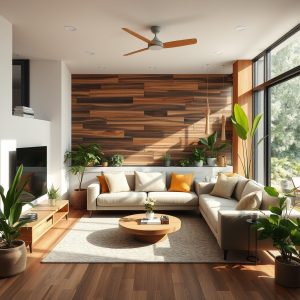
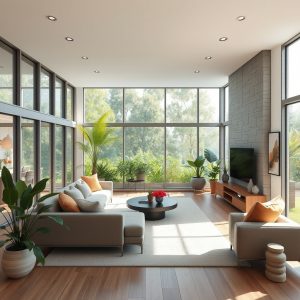
No discussion of psychological space optimization would be complete without addressing biophilic design, the practice of integrating natural elements into interiors to foster a sense of well-being. The human brain is hardwired to respond positively to nature—whether it’s the dappled light filtering through leaves, the sound of water, or the texture of wood grain. These elements trigger a physiological response, lowering heart rates and reducing anxiety, which is why biophilic design is often a cornerstone of emotionally resonant interiors.
In practice, this might mean incorporating living walls, natural ventilation systems, or even artwork that mimics organic patterns. A home designed with biophilic principles might feature large windows framing a garden view, a central courtyard with a water feature, or furniture crafted from reclaimed wood. These elements do more than beautify a space; they create a dialogue between the indoors and the natural world, grounding occupants in a sense of tranquility and connection.
Personalization as a Path to Emotional Resonance
While psychological space optimization relies on universal principles, its true power lies in personalization. A space that feels emotionally resonant to one person might not hold the same weight for another, which is why co-creative design processes are essential. These processes involve the occupant in every stage of the design journey, from conceptualization to material selection, ensuring the final space reflects their unique identity, memories, and aspirations.
For example, a designer might work with a client to curate a gallery wall that tells their life story through photographs, artwork, and mementos. Each piece is chosen not just for its aesthetic appeal but for its emotional significance, creating a visual narrative that reinforces the occupant’s sense of self. Similarly, the choice of materials—whether it’s the warmth of a handwoven rug or the cool touch of a marble countertop—can evoke specific memories or emotions, making the space feel deeply personal.
The Future of Emotionally Intelligent Spaces
As technology advances, the possibilities for psychological space optimization are expanding. Imagine a home that not only adapts to your schedule but also to your emotional state. Wearable devices could one day communicate with smart home systems, adjusting lighting, temperature, and even scent diffusion based on real-time biometric data. A room might dim and play calming music if it detects elevated stress levels, or brighten and fill with invigorating citrus scents to boost energy during a midday slump.
Yet, for all the promise of technology, the most emotionally intelligent spaces will always be those that balance innovation with humanity. The goal is not to create homes that feel like sterile laboratories, but environments that feel alive—spaces that breathe, adapt, and respond to the people who inhabit them. This is the essence of psychological space optimization: a design philosophy that treats emotion not as an afterthought, but as the foundation of every decision.
The spaces we inhabit are more than just physical structures; they are extensions of our inner worlds. When designed with intention, they have the power to soothe, inspire, and uplift us in ways we might not even consciously realize. The next time you step into a room that feels just right, take a moment to consider the invisible echoes at play—the subtle cues, the thoughtful details, the quiet understanding that this space was made for you, and you alone. It’s not just a room; it’s a sanctuary for the soul.