Crafting Homes That Dance with Human Experience
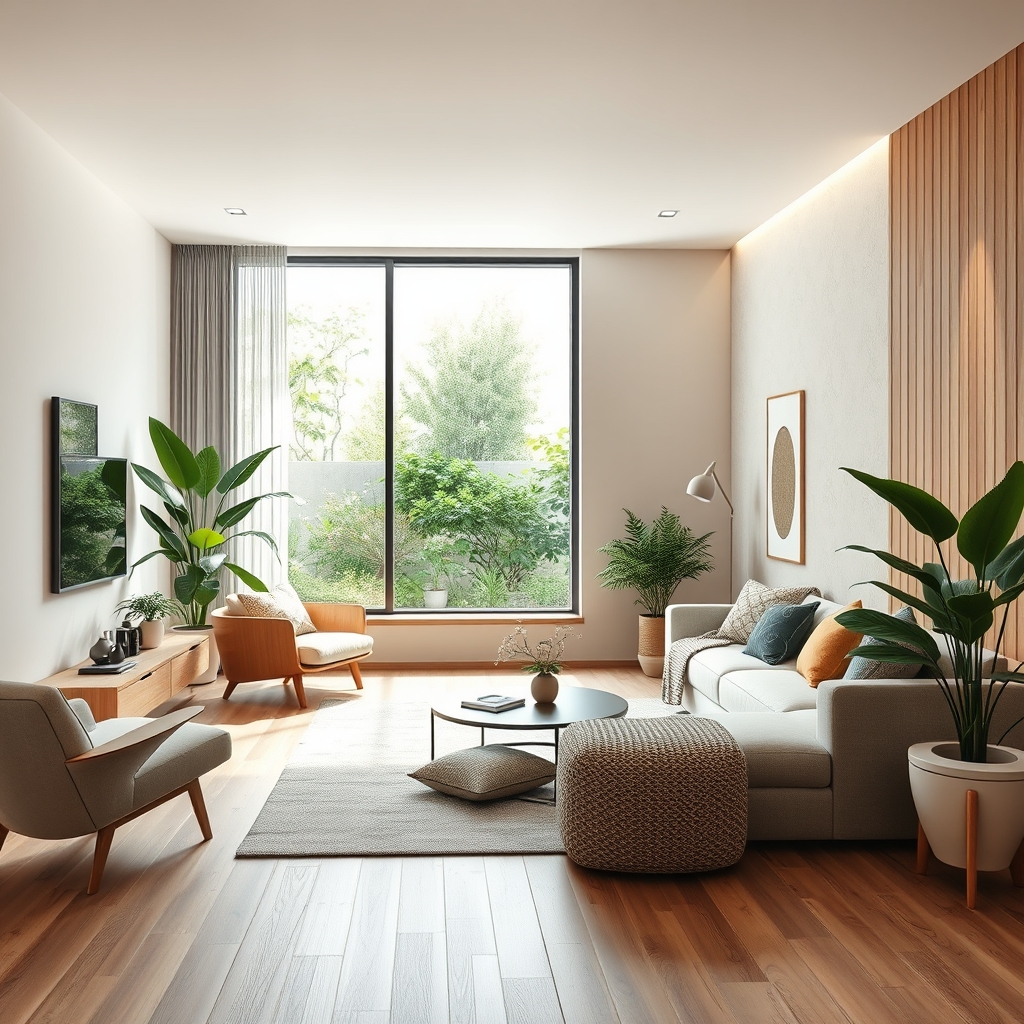
Immersive Spatial Design: Crafting Homes That Dance with Human Experience
In the realm of interior design, the concept of immersive spatial design is revolutionizing the way we think about our living spaces. This approach goes beyond mere aesthetics, focusing on creating environments that engage all the senses and respond to the unique needs and experiences of the inhabitants. By integrating elements of sensory interior environments, human-centric architecture, and adaptive living spaces, immersive spatial design aims to create homes that are not just places to live, but spaces that enhance our well-being and quality of life.
Sensory Interior Environments: Engaging All the Senses
Sensory interior environments are designed to stimulate and engage all five senses. This includes the use of natural materials, textures, and colors that appeal to the sense of touch and sight. Aromatic plants and essential oils can be used to create a pleasing scent, while soft background music or natural sounds can enhance the auditory experience. By creating a multi-sensory environment, these spaces can evoke emotions, reduce stress, and improve overall well-being.
Human-Centric Architecture: Designing for People
Human-centric architecture places the needs and experiences of the people who will inhabit the space at the heart of the design process. This approach considers factors such as ergonomics, accessibility, and the psychological impact of the environment. By understanding the unique needs and preferences of the inhabitants, designers can create spaces that are not only functional but also emotionally resonant. This can include personalized interior concepts that reflect the individual’s lifestyle, interests, and cultural background.
Adaptive Living Spaces: Flexibility and Functionality
Adaptive living spaces are designed to evolve with the changing needs of the inhabitants. This can include flexible room layouts that can be easily reconfigured, as well as smart home experience design that allows for automated control of lighting, temperature, and other environmental factors. By creating spaces that can adapt to different stages of life, these designs promote longevity and sustainability, ensuring that the home remains a comfortable and functional space for years to come.
Biophilic Design Integration: Connecting with Nature
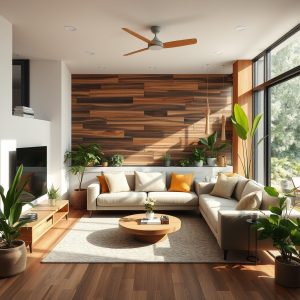
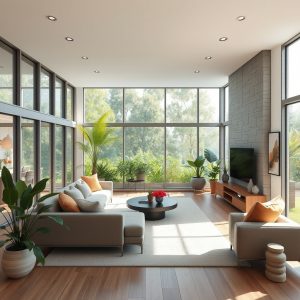
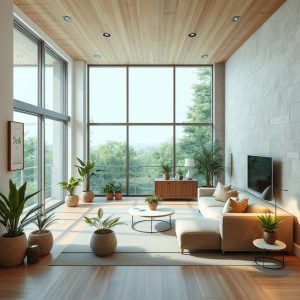
Biophilic design integration is a key aspect of immersive spatial design. This approach seeks to reconnect people with nature by incorporating natural elements into the built environment. This can include the use of plants, natural light, and materials that mimic the textures and patterns found in nature. By creating a connection with the natural world, these spaces can promote relaxation, reduce stress, and improve overall well-being.
Personalized Interior Concepts: Reflecting Individuality
Personalized interior concepts are designed to reflect the unique personality and lifestyle of the inhabitants. This can include the use of custom furniture, artwork, and decorative elements that tell a story about the individual’s experiences, interests, and cultural background. By creating a space that is uniquely theirs, inhabitants can feel a deeper connection to their home, enhancing their sense of belonging and well-being.
Sustainable Home Styling: Eco-Friendly Design
Sustainable home styling is an important consideration in immersive spatial design. This approach focuses on the use of eco-friendly materials, energy-efficient appliances, and sustainable design practices. By creating homes that are not only beautiful but also environmentally responsible, designers can contribute to a more sustainable future. This can include the use of recycled materials, renewable energy sources, and designs that promote energy efficiency.
Interactive Interior Planning: Engaging the Inhabitants
Interactive interior planning involves the inhabitants in the design process, creating a co-creative design process that ensures the final space meets their needs and preferences. This can include the use of digital twin interior modeling, which allows inhabitants to visualize and interact with the design before it is implemented. By involving the inhabitants in the design process, designers can create spaces that are not only functional but also emotionally resonant.
Psychological Space Optimization: Enhancing Well-Being
Psychological space optimization focuses on the impact of the built environment on mental health and well-being. This can include the use of color psychology, spatial layout, and lighting design to create spaces that promote relaxation, productivity, and overall well-being. By understanding the psychological impact of the environment, designers can create spaces that enhance the quality of life for the inhabitants.
Wellness-Focused Home Design: Promoting Health and Happiness
Wellness-focused home design is a key aspect of immersive spatial design. This approach seeks to create spaces that promote physical and mental health, as well as overall well-being. This can include the use of natural materials, ergonomic design, and features that promote relaxation and stress reduction. By creating homes that prioritize wellness, designers can contribute to a healthier and happier lifestyle for the inhabitants.
Emotionally Resonant Interiors: Creating a Sense of Belonging
Emotionally resonant interiors are designed to create a deep connection between the inhabitants and their living space. This can include the use of personal mementos, artwork, and decorative elements that evoke positive emotions and memories. By creating a space that is emotionally resonant, designers can enhance the sense of belonging and well-being for the inhabitants.
Co-Creative Design Processes: Collaboration and Innovation
Co-creative design processes involve collaboration between designers, architects, and inhabitants to create innovative and personalized living spaces. This approach ensures that the final design meets the unique needs and preferences of the inhabitants, while also incorporating the latest design trends and technologies. By fostering a collaborative environment, designers can create spaces that are not only functional but also emotionally resonant.
Flexible Living Solutions: Adapting to Change
Flexible living solutions are designed to adapt to the changing needs and lifestyles of the inhabitants. This can include the use of modular furniture, adaptable room layouts, and smart home technologies that allow for automated control of the environment. By creating spaces that can evolve with the inhabitants, designers can promote longevity and sustainability, ensuring that the home remains a comfortable and functional space for years to come.
Smart Home Experience Design: Technology and Comfort
Smart home experience design integrates technology into the living space to enhance comfort, convenience, and energy efficiency. This can include the use of automated lighting, temperature control, and security systems, as well as voice-activated assistants and other smart devices. By creating a seamless integration of technology and design, designers can enhance the overall living experience for the inhabitants.
Conscious Material Selection: Sustainability and Aesthetics
Conscious material selection is an important consideration in immersive spatial design. This approach focuses on the use of sustainable, eco-friendly materials that are not only aesthetically pleasing but also environmentally responsible. By selecting materials that are durable, non-toxic, and renewable, designers can create homes that are both beautiful and sustainable. This can include the use of recycled materials, natural fibers, and low-VOC paints and finishes.
Minimalist Lifestyle Design: Simplicity and Elegance
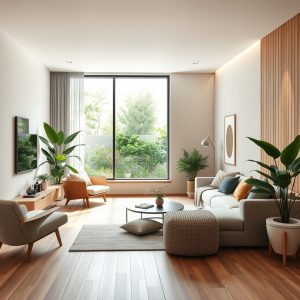
Minimalist lifestyle design focuses on creating spaces that are simple, elegant, and uncluttered. This approach emphasizes the use of clean lines, neutral colors, and functional design elements that promote a sense of calm and tranquility. By creating a minimalist living space, designers can enhance the overall well-being and quality of life for the inhabitants.
Cultural Narrative Interiors: Telling a Story
Cultural narrative interiors are designed to tell a story about the inhabitants’ cultural background, experiences, and interests. This can include the use of artwork, decorative elements, and furniture that reflect the individual’s heritage and personal history. By creating a space that tells a story, designers can enhance the sense of belonging and emotional resonance for the inhabitants.
Holistic Room Layouts: Integrating Function and Form
Holistic room layouts integrate function and form to create spaces that are both beautiful and practical. This approach considers the flow of movement, the use of space, and the relationship between different areas of the home. By creating a holistic room layout, designers can enhance the overall functionality and aesthetic appeal of the living space.
In the ever-evolving world of interior design, the concept of immersive spatial design offers a holistic approach to creating living spaces that enhance our well-being and quality of life. By integrating elements of sensory interior environments, human-centric architecture, and adaptive living spaces, designers can craft homes that are not just places to live, but spaces that dance with human experience. Through the use of biophilic design, personalized interior concepts, and sustainable home styling, these spaces can promote a deeper connection with nature, reflect individuality, and contribute to a more sustainable future. By involving the inhabitants in the design process through interactive interior planning and co-creative design processes, designers can create spaces that are not only functional but also emotionally resonant. With the integration of smart home experience design, conscious material selection, and minimalist lifestyle design, these spaces can enhance comfort, convenience, and overall well-being. By telling a story through cultural narrative interiors and creating holistic room layouts, designers can craft homes that are uniquely personal and deeply meaningful. In this way, immersive spatial design offers a path to creating living spaces that truly dance with human experience, enhancing our lives in profound and meaningful ways.