The Psychology of Space: How Modern Home Design Influences Mood and Productivity
Our homes are more than just physical structures; they are extensions of our minds, shaping our emotions, behaviors, and even our productivity. The way we design and organize our living spaces can have a profound impact on our daily lives, often in ways we don’t consciously realize. Modern home design, with its emphasis on intentionality and functionality, has evolved to prioritize not just aesthetics but also the psychological well-being of its inhabitants. By understanding the psychology of space, homeowners and designers alike can create environments that foster positivity, creativity, and efficiency.
The Power of Light: Illuminating Mood and Energy
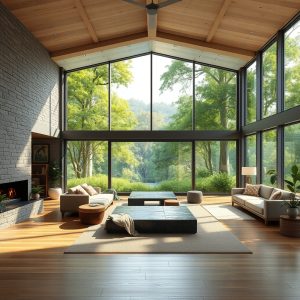
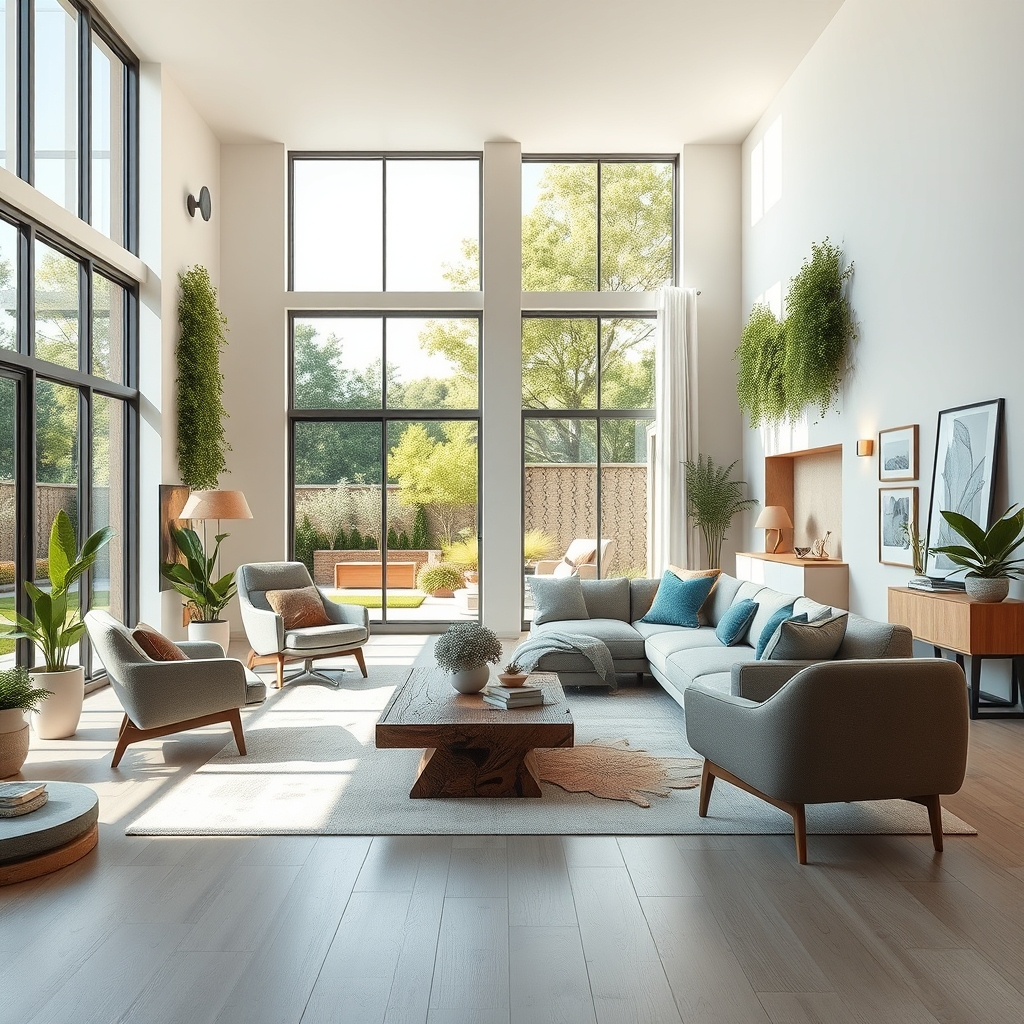
Natural light is one of the most influential elements in home design, directly affecting our circadian rhythms and overall mood. Studies have shown that exposure to natural light can boost serotonin levels, reduce stress, and enhance productivity. Modern home designs often incorporate large windows, skylights, and open floor plans to maximize daylight penetration. For spaces where natural light is limited, layered lighting solutions—such as ambient, task, and accent lighting—can mimic the effects of sunlight, creating a warm and inviting atmosphere.
Incorporating smart lighting systems takes this a step further. These systems allow homeowners to adjust the color temperature and intensity of lights throughout the day, aligning with the body’s natural rhythms. Cooler, brighter lights in the morning can energize and prepare you for the day, while warmer, dimmer lights in the evening can signal relaxation and rest.
Color Psychology: The Subtle Art of Emotional Influence
Color is a powerful tool in interior design, capable of evoking emotions and setting the tone for a space. Modern home design often leverages color psychology to create environments that align with the desired mood or function of a room. For example, soft blues and greens are frequently used in bedrooms and bathrooms for their calming and restorative effects. In contrast, vibrant hues like yellow or orange can stimulate creativity and conversation, making them ideal for kitchens, dining areas, or home offices.
Neutral palettes, a hallmark of minimalist and contemporary design, provide a versatile backdrop that can be easily personalized with accents and decor. These tones create a sense of balance and tranquility, allowing the mind to focus without distraction. However, it’s essential to strike a balance—too much neutrality can feel sterile, while an overabundance of bold colors can overwhelm. The key is to use color intentionally, considering both the function of the space and the emotional response it aims to elicit.
Spatial Flow: The Rhythm of Movement and Thought
The layout of a home plays a crucial role in how we navigate and interact with our environment. Open-concept living, a staple of modern design, promotes a sense of freedom and connectivity, reducing feelings of confinement and isolation. This layout encourages social interaction and fosters a communal atmosphere, making it ideal for families or those who enjoy entertaining.
However, the psychology of space also recognizes the need for defined areas that cater to specific activities. For instance, a home office should be designed to minimize distractions and maximize focus, while a living room should invite relaxation and conversation. Zoning—using furniture, rugs, or architectural elements to delineate spaces—can help create a harmonious flow that supports both individual and collective needs.
In smaller homes or apartments, clever design solutions like multifunctional furniture, sliding doors, or foldable partitions can create the illusion of spaciousness while maintaining functionality. These strategies not only optimize space but also reduce clutter, which has been linked to increased stress and decreased productivity.
Nature’s Touch: Biophilic Design for Well-being
Biophilic design, the practice of integrating natural elements into the built environment, has gained significant traction in modern home design. This approach is rooted in the idea that humans have an innate connection to nature, and bringing elements of the outdoors inside can enhance well-being. Incorporating plants, natural materials like wood and stone, and water features can reduce stress, improve air quality, and create a sense of tranquility.
Large windows that frame views of greenery or outdoor landscapes can further strengthen this connection, blurring the lines between indoor and outdoor spaces. Even in urban settings, rooftop gardens, vertical plant walls, or indoor herb gardens can introduce nature into the home. The psychological benefits of biophilic design are well-documented, with studies showing that exposure to natural elements can lower blood pressure, improve cognitive function, and boost overall happiness.
Smart Technology: Enhancing Comfort and Control
The integration of smart home technology has revolutionized the way we interact with our living spaces. From automated lighting and climate control to voice-activated assistants, these innovations provide convenience and customization, allowing homeowners to tailor their environments to their preferences. The psychological impact of smart technology lies in its ability to reduce cognitive load—by automating routine tasks, it frees up mental energy for more meaningful activities.
For example, smart thermostats can learn your schedule and adjust temperatures accordingly, creating a comfortable environment without the need for constant manual adjustments. Similarly, smart security systems provide peace of mind, reducing anxiety about safety. When used thoughtfully, smart technology can enhance the functionality of a home while also contributing to a sense of control and well-being.
Personalization: The Key to a Truly Supportive Space
While trends and design principles provide a valuable framework, the most psychologically supportive homes are those that reflect the unique personalities and lifestyles of their inhabitants. Personalization can take many forms, from displaying cherished artwork and photographs to incorporating hobbies and passions into the design. A home that tells a story—whether through heirlooms, travel souvenirs, or custom-built features—creates a sense of belonging and comfort.
Custom home builders and interior designers often work closely with clients to understand their needs, preferences, and routines, ensuring that the final design aligns with their psychological and emotional well-being. This collaborative approach results in spaces that are not only beautiful but also deeply meaningful, fostering a sense of happiness and fulfillment.
Designing a home with psychology in mind is about more than just following trends; it’s about creating an environment that nurtures the mind, body, and soul. By thoughtfully considering elements like light, color, spatial flow, nature, and technology, homeowners can craft spaces that inspire, rejuvenate, and support their daily lives. The result is a home that doesn’t just look good but feels good—a sanctuary that adapts to and enhances the way we live.