
The Invisible Dialogue: How Smart Home Experience Design Transforms Spaces into Living Narratives
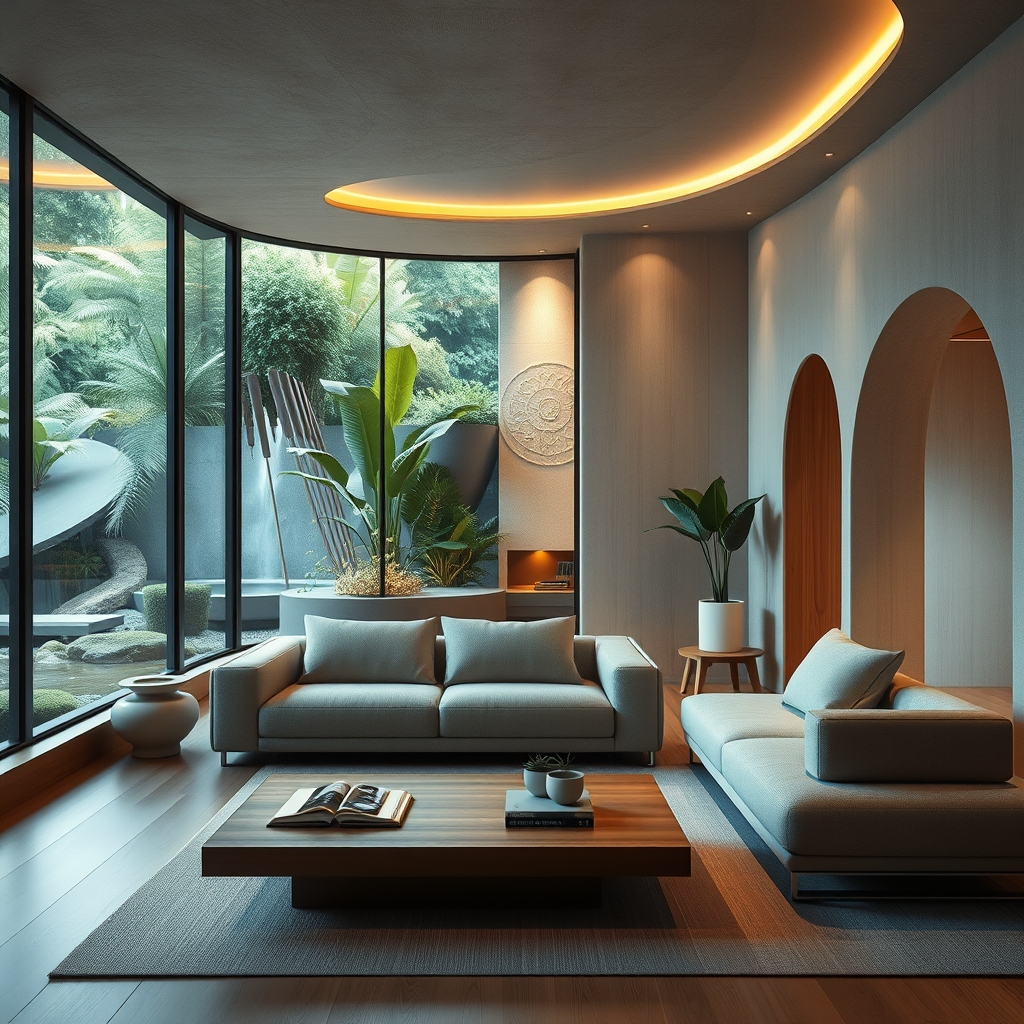
Imagine walking into a room that knows you—not in the way a friend might recognize your habits, but in the way a space can intuitively adapt to your mood, your needs, and even the unspoken rhythms of your day. This is the promise of smart home experience design, a field where technology and human-centric architecture converge to create environments that don’t just respond to commands but anticipate desires. It’s not about gadgets or automation for the sake of convenience; it’s about crafting a living narrative where every element of your home becomes a character in the story of your life.
The Evolution of Smart Homes: From Function to Feeling
Smart homes have come a long way from their early iterations, where the focus was primarily on efficiency—programmable thermostats, voice-activated lights, and security systems that could be controlled from a smartphone. While these innovations were groundbreaking, they often lacked a deeper connection to the people who inhabited the spaces. Today, smart home experience design is shifting toward a more holistic approach, one that prioritizes emotional resonance and psychological well-being. The goal is no longer just to make life easier but to make it richer, more meaningful, and deeply personal.
This evolution is driven by advancements in artificial intelligence, machine learning, and sensor technology, which allow homes to learn from their occupants. For example, a smart lighting system might adjust not just based on the time of day but on your biometric data, such as heart rate or stress levels, creating an environment that subtly supports your emotional state. Similarly, adaptive acoustics can dampen noise in a room when concentration is needed or amplify natural sounds to foster relaxation. These technologies are not just tools; they are collaborators in the creation of a home that feels alive.
The Psychology of Adaptive Spaces
At the heart of smart home experience design is the understanding that our environments shape our emotions, behaviors, and even our cognitive functions. Psychological space optimization plays a crucial role in this process, ensuring that every aspect of a home—from the layout of furniture to the color of the walls—contributes to a sense of well-being. For instance, research has shown that natural light can improve mood and productivity, while cluttered spaces can increase stress and anxiety. Smart homes take this knowledge a step further by dynamically adjusting these elements in real time.
Consider a workspace that transforms throughout the day. In the morning, it might be bathed in cool, invigorating light to kickstart productivity, while in the evening, it softens into warmer tones to signal the transition to relaxation. The furniture could reconfigure itself to encourage collaboration during a brainstorming session or provide solitude for deep focus. These adaptations are not just functional; they are emotional, creating a dialogue between the space and its occupant that feels almost intuitive.
Biophilic Design: Bringing the Outside In
Another key element of smart home experience design is the integration of biophilic design, which seeks to connect occupants with nature. This goes beyond simply adding plants or natural materials; it’s about creating a sensory experience that evokes the tranquility and vitality of the natural world. Smart homes can simulate the changing light of a forest canopy, the sound of a babbling brook, or even the scent of rain through advanced environmental controls. These elements are not just decorative; they are therapeutic, reducing stress and enhancing creativity.
For example, a smart home might use circadian lighting to mimic the natural progression of sunlight, helping to regulate your body’s internal clock. Or it could incorporate living walls that purify the air while providing a visual connection to nature. These features are particularly valuable in urban environments, where access to green spaces is often limited. By bringing the outside in, smart homes create a sanctuary that nurtures both the body and the soul.
The Role of Personalization in Smart Home Design
One of the most exciting aspects of smart home experience design is its potential for personalization. Unlike traditional interior design, which often relies on static aesthetics, smart homes can evolve alongside their occupants. This is made possible through co-creative design processes, where homeowners collaborate with designers and technologists to craft spaces that reflect their unique identities and lifestyles. The result is a home that feels like an extension of the self, rather than a generic template.
Personalization can take many forms. For instance, a smart home might learn your preferred temperature settings for different times of the day or adjust the ambiance of a room based on the activity—whether it’s a dinner party, a yoga session, or a quiet evening with a book. It could even curate a playlist of music or ambient sounds that align with your mood, creating a multisensory experience that feels tailor-made. This level of customization ensures that your home is not just a place to live but a space that truly understands and supports you.
Sustainability as a Core Principle
In the pursuit of creating emotionally resonant and adaptive spaces, sustainability must be a guiding principle. Smart home experience design offers an opportunity to rethink how we use resources, from energy-efficient lighting and heating systems to the conscious selection of materials. For example, a smart home might optimize energy consumption by learning your daily routines and adjusting systems accordingly, reducing waste without sacrificing comfort. It could also incorporate reclaimed or locally sourced materials, further minimizing its environmental impact.
But sustainability in smart homes goes beyond efficiency. It’s about creating spaces that are not only eco-friendly but also enduring—homes that can adapt to changing needs and technologies without requiring constant renovation. This approach aligns with the broader philosophy of smart home experience design: to create environments that are not just smart but wise, capable of growing and evolving with the people who inhabit them.
The Future of Smart Home Experience Design
As technology continues to advance, the possibilities for smart home experience design are virtually limitless. We are moving toward a future where homes are not just connected but truly intelligent, capable of understanding and responding to the nuances of human emotion and behavior. Imagine a home that can sense when you’re feeling overwhelmed and create a calming environment to help you unwind, or one that can celebrate your achievements with a burst of light and music. These are not distant fantasies but the next frontier of human-centric architecture.
The key to unlocking this potential lies in the seamless integration of technology and design. It’s not enough for a home to be filled with smart devices; these devices must work together to create a cohesive and meaningful experience. This requires a shift in how we think about technology—not as a separate layer added to a space but as an intrinsic part of its design. When done well, smart home experience design has the power to transform our relationship with our living spaces, turning houses into homes that are not just smart but soulful.
In the end, the true magic of smart home experience design lies in its ability to make the invisible visible. It takes the intangible—our emotions, our needs, our unspoken desires—and translates them into tangible, responsive environments. It’s a dialogue between human and space, one that unfolds in real time, creating a living narrative that is as unique as the people who inhabit it. And as this dialogue deepens, our homes become more than just places to live; they become partners in the art of living well.



