
The Invisible Compass: How Biophilic Design Integration Guides Modern Living Toward Emotional Wholeness
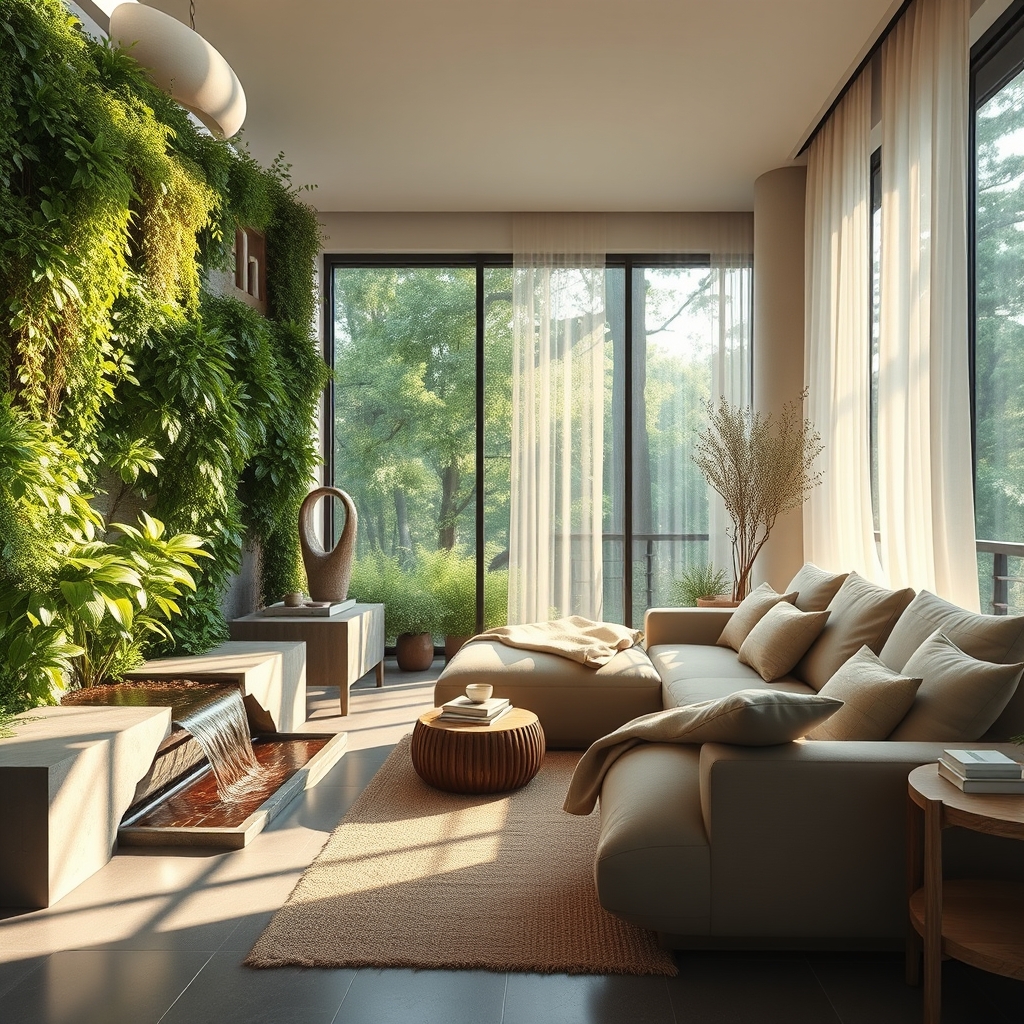
In an era where urbanization often disconnects us from the natural world, our homes have become more than just shelters—they are sanctuaries where we seek refuge, rejuvenation, and emotional balance. The integration of biophilic design into modern living spaces is not merely a trend; it is a profound shift toward creating environments that nurture our innate connection to nature. This approach transcends aesthetics, weaving the essence of the natural world into the very fabric of our daily lives, fostering well-being, creativity, and a deeper sense of harmony.
The Science Behind Biophilic Design
Biophilic design is rooted in the understanding that humans possess an inherent biological affinity for nature, a concept known as biophilia. Studies have shown that exposure to natural elements—whether through direct interaction, like sunlight and greenery, or indirect representations, such as natural materials and organic shapes—can reduce stress, enhance cognitive function, and improve overall mental health. This is not just about adding a few plants to a room; it’s about designing spaces that engage our senses, evoke emotions, and create a seamless dialogue between the built environment and the natural world.
For instance, the use of natural light in interior design does more than illuminate a space—it regulates our circadian rhythms, influencing our sleep patterns and mood. Similarly, the incorporation of water features, such as indoor fountains or aquariums, introduces the soothing sounds of nature, which can lower cortisol levels and promote relaxation. Even the strategic placement of wood, stone, or other natural materials can evoke a tactile connection to the earth, grounding us in a way that synthetic materials simply cannot.
Beyond Aesthetics: The Emotional Resonance of Natural Elements
The true power of biophilic design lies in its ability to evoke emotional responses. A room bathed in dappled sunlight filtering through sheer curtains can create a sense of warmth and tranquility, while a living wall of lush greenery can invigorate the senses and spark creativity. These elements do more than decorate a space—they transform it into a living, breathing entity that responds to our emotional needs.
Consider the psychological impact of a space designed with biophilic principles. A study conducted by the University of Exeter found that employees working in offices with natural elements, such as plants and wooden furniture, reported a 15% increase in well-being and a 6% boost in productivity. This is not a coincidence; it is a testament to the profound effect that nature-inspired design can have on our emotional and mental states. When we surround ourselves with elements that resonate with our primal connection to the natural world, we create environments that support our holistic well-being.
Integrating Biophilic Design into Adaptive Living Spaces
One of the most exciting aspects of biophilic design is its adaptability. It can be seamlessly integrated into a variety of living spaces, from compact urban apartments to sprawling suburban homes. The key is to approach design with intentionality, selecting elements that not only enhance the aesthetic appeal of a space but also serve a functional and emotional purpose.
For example, in a small apartment, a vertical garden can bring the outdoors in without taking up valuable floor space. The use of natural textures, such as jute rugs or linen curtains, can add warmth and depth to a room, while large windows or skylights can flood the space with natural light, creating an open and airy atmosphere. In larger homes, biophilic design can be taken a step further with the inclusion of indoor courtyards, water features, or even natural ventilation systems that mimic the breezes of the outdoors.
The Role of Technology in Biophilic Design
While biophilic design is deeply rooted in nature, technology can play a complementary role in enhancing its impact. Smart home systems, for instance, can be programmed to adjust lighting throughout the day to mimic the natural progression of sunlight, reinforcing our circadian rhythms. Digital displays can project serene landscapes or underwater scenes, providing a visual connection to nature even in the most urban settings. These technological integrations are not meant to replace natural elements but to augment them, creating a harmonious blend of innovation and tradition.
Cultural Narratives and Personalized Biophilic Spaces
Biophilic design is not a one-size-fits-all solution. It is deeply personal and can be tailored to reflect individual cultural narratives and lifestyles. For some, this might mean incorporating indigenous plants and materials that hold cultural significance, while for others, it could involve designing spaces that evoke memories of cherished natural landscapes. The goal is to create environments that resonate on a personal level, fostering a sense of identity and belonging.
Incorporating cultural narratives into biophilic design can also serve as a bridge between generations, preserving traditions and stories through the spaces we inhabit. For example, a home designed with elements inspired by a family’s ancestral homeland can serve as a daily reminder of heritage and identity. This approach not only enriches the emotional depth of a space but also strengthens our connection to the past, present, and future.
Sustainability as a Core Principle
At its heart, biophilic design is inherently sustainable. By prioritizing natural materials, energy-efficient systems, and eco-friendly practices, it aligns with the principles of conscious material selection and sustainable home styling. This approach not only benefits the environment but also enhances the health and well-being of the occupants. For instance, using reclaimed wood or bamboo in furniture and flooring reduces the demand for virgin materials, while also adding a unique, organic character to a space.
Moreover, biophilic design encourages a mindful approach to consumption. By creating spaces that are deeply connected to nature, we are more likely to adopt lifestyles that prioritize sustainability and environmental stewardship. This shift in mindset can have a ripple effect, inspiring others to rethink their own living spaces and the impact they have on the planet.
As we navigate the complexities of modern life, the spaces we inhabit play a crucial role in shaping our emotional and mental well-being. Biophilic design offers a pathway to creating homes that are not just visually appealing but emotionally nourishing. By integrating natural elements into our living spaces, we can cultivate environments that support our innate connection to the natural world, fostering a sense of peace, creativity, and wholeness. In doing so, we transform our homes into sanctuaries that not only reflect who we are but also nurture who we aspire to be, guiding us toward a more harmonious and fulfilling way of living.



