
Psychological Space Optimization: Crafting Homes That Align With the Human Mind
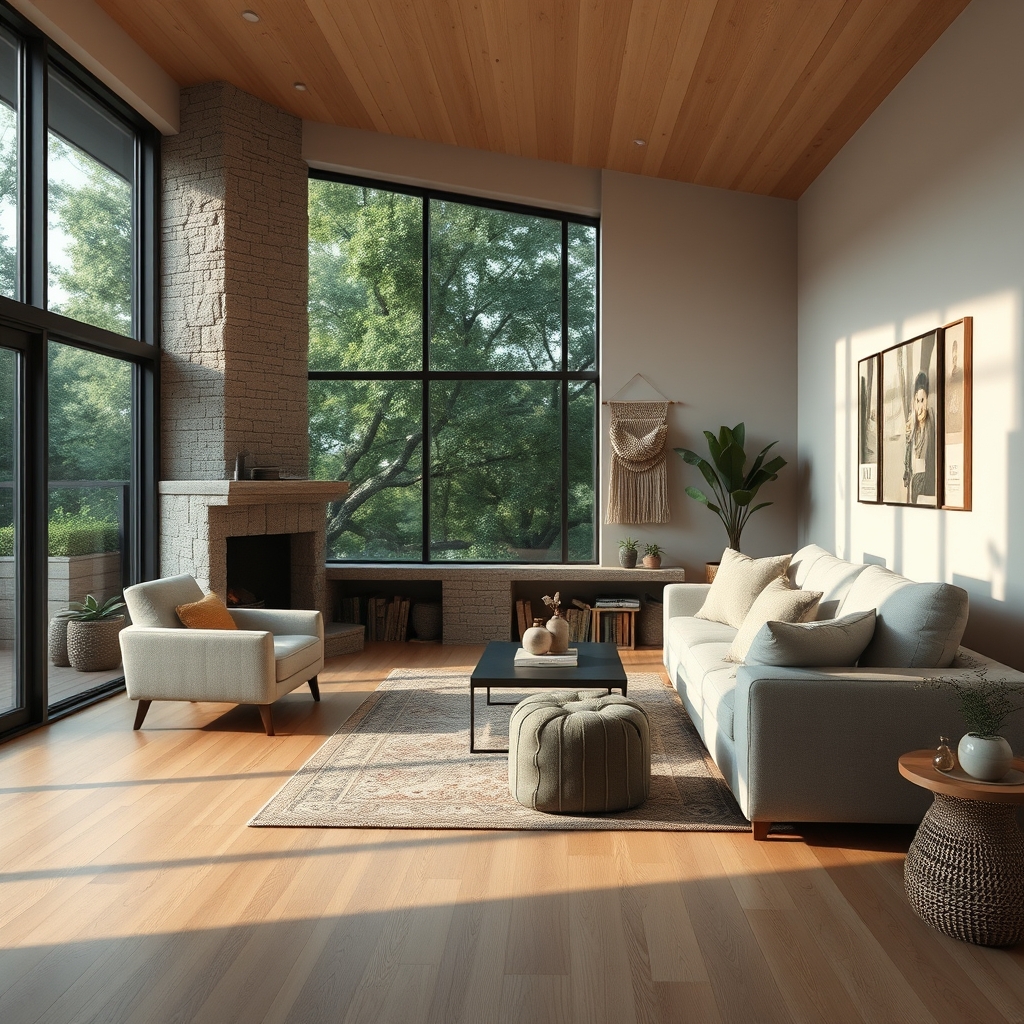
In the ever-evolving world of interior design, the focus has shifted from merely creating visually appealing spaces to crafting environments that resonate deeply with the human psyche. Psychological space optimization is at the forefront of this transformation, blending science, art, and intuition to design homes that not only look beautiful but also feel inherently right. This approach goes beyond aesthetics, delving into how spaces influence mood, behavior, and even cognitive function. By understanding the intricate relationship between humans and their surroundings, designers can create interiors that foster well-being, productivity, and emotional balance.
The Science Behind Psychological Space Optimization
At its core, psychological space optimization is rooted in environmental psychology—a field that studies how physical spaces impact human behavior and mental health. Research in this domain reveals that factors such as lighting, color, spatial layout, and even the presence of natural elements can significantly influence our emotions and actions. For instance, studies have shown that exposure to natural light can enhance mood and productivity, while cluttered spaces can lead to increased stress and anxiety. By leveraging these insights, designers can create spaces that are not only functional but also psychologically nurturing.
One of the key principles of psychological space optimization is the concept of “prospect and refuge.” This theory suggests that humans are instinctively drawn to spaces that offer both a sense of security (refuge) and a vantage point to observe their surroundings (prospect). In interior design, this translates to creating cozy nooks for relaxation while ensuring open areas that provide a sense of control and awareness. For example, a living room with a comfortable seating area near a large window allows occupants to enjoy the warmth of natural light while feeling protected and connected to the outdoors.
Designing for Emotional Resonance
Emotionally resonant interiors are those that evoke a deep, almost intuitive connection with their inhabitants. This connection is often achieved through the thoughtful integration of sensory elements—textures, scents, sounds, and even the subtle play of light and shadow. For instance, the use of soft, tactile materials like wool or linen can create a sense of warmth and comfort, while the strategic placement of plants can introduce a calming, biophilic element. Even the choice of artwork or decorative objects can play a role in shaping the emotional tone of a space, as these elements often carry personal or cultural significance.
Another critical aspect of emotional resonance is personalization. A home should reflect the unique identity and lifestyle of its occupants, rather than adhering to rigid design trends. This is where co-creative design processes come into play, allowing designers and homeowners to collaborate in crafting spaces that feel authentically theirs. Whether it’s through bespoke furniture, custom color palettes, or curated collections of meaningful objects, personalization ensures that a home is not just a place to live but a sanctuary that nurtures the soul.
The Role of Adaptive Living Spaces
Modern lifestyles are dynamic, and our homes must adapt to our evolving needs. Adaptive living spaces are designed with flexibility in mind, allowing rooms to serve multiple purposes without compromising on comfort or aesthetics. For example, a home office that can transform into a guest bedroom, or a kitchen island that doubles as a dining table, exemplifies the versatility of adaptive design. This approach not only maximizes the functionality of a space but also aligns with the psychological need for control and autonomy. When a home can effortlessly adapt to different activities—work, relaxation, entertainment—it reduces stress and enhances the overall living experience.
Technology also plays a pivotal role in adaptive living spaces. Smart home systems, for instance, can adjust lighting, temperature, and even music based on the time of day or the occupants’ preferences. These subtle yet impactful adjustments create an environment that feels intuitive and responsive, further enhancing the psychological comfort of the space. The integration of digital twin interior modeling allows designers to simulate and refine these adaptive features before they are implemented, ensuring a seamless and personalized experience.
Sustainable and Conscious Material Selection
The materials we surround ourselves with have a profound impact on our well-being. Conscious material selection is not just about sustainability—it’s about choosing materials that are non-toxic, durable, and aesthetically pleasing. Natural materials like wood, stone, and bamboo are not only eco-friendly but also create a sense of warmth and connection to nature. On the other hand, synthetic materials, while often more affordable, can off-gas harmful chemicals and contribute to a sterile, impersonal environment. By prioritizing materials that are both sustainable and sensory-rich, designers can create spaces that are healthy for both the planet and the people who inhabit them.
In addition to material selection, the layout and flow of a space can influence psychological well-being. Holistic room layouts consider the interplay between different areas of the home, ensuring that each space flows seamlessly into the next. For example, an open-plan living area that connects the kitchen, dining, and living room can foster social interaction and a sense of togetherness. Conversely, private spaces like bedrooms and bathrooms should be designed to promote relaxation and solitude. By striking the right balance between communal and private areas, designers can create homes that cater to the diverse emotional and psychological needs of their occupants.
Cultural Narrative and Personal Storytelling
Every home tells a story, and the most compelling interiors are those that reflect the cultural and personal narratives of their inhabitants. Cultural narrative interiors draw inspiration from heritage, traditions, and personal experiences, creating spaces that feel deeply meaningful. For example, a home might incorporate traditional textiles, artwork, or architectural elements that pay homage to the occupants’ cultural background. These elements not only add visual interest but also create a sense of continuity and belonging.
Personal storytelling in interior design goes beyond aesthetics—it’s about creating a space that evolves with its occupants. As people grow and change, their homes should reflect these transformations. This might involve updating decor to align with new interests, rearranging furniture to accommodate changing needs, or even repurposing rooms to serve different functions. By embracing the fluidity of personal narratives, designers can create homes that are not static but dynamic, growing and adapting alongside their inhabitants.
Psychological space optimization is more than just a design trend—it’s a philosophy that prioritizes the human experience above all else. By understanding the intricate ways in which our surroundings shape our thoughts, emotions, and behaviors, designers can create homes that are not only beautiful but also deeply nurturing. In a world where our environments are increasingly demanding and chaotic, a well-designed home can serve as a sanctuary, a place where we can recharge, reflect, and reconnect with ourselves. The future of interior design lies in crafting spaces that are not just seen but felt, not just lived in but truly experienced.



