
The Silent Revolution of Micro-Living: Designing Ultra-Compact Homes for Maximum Impact
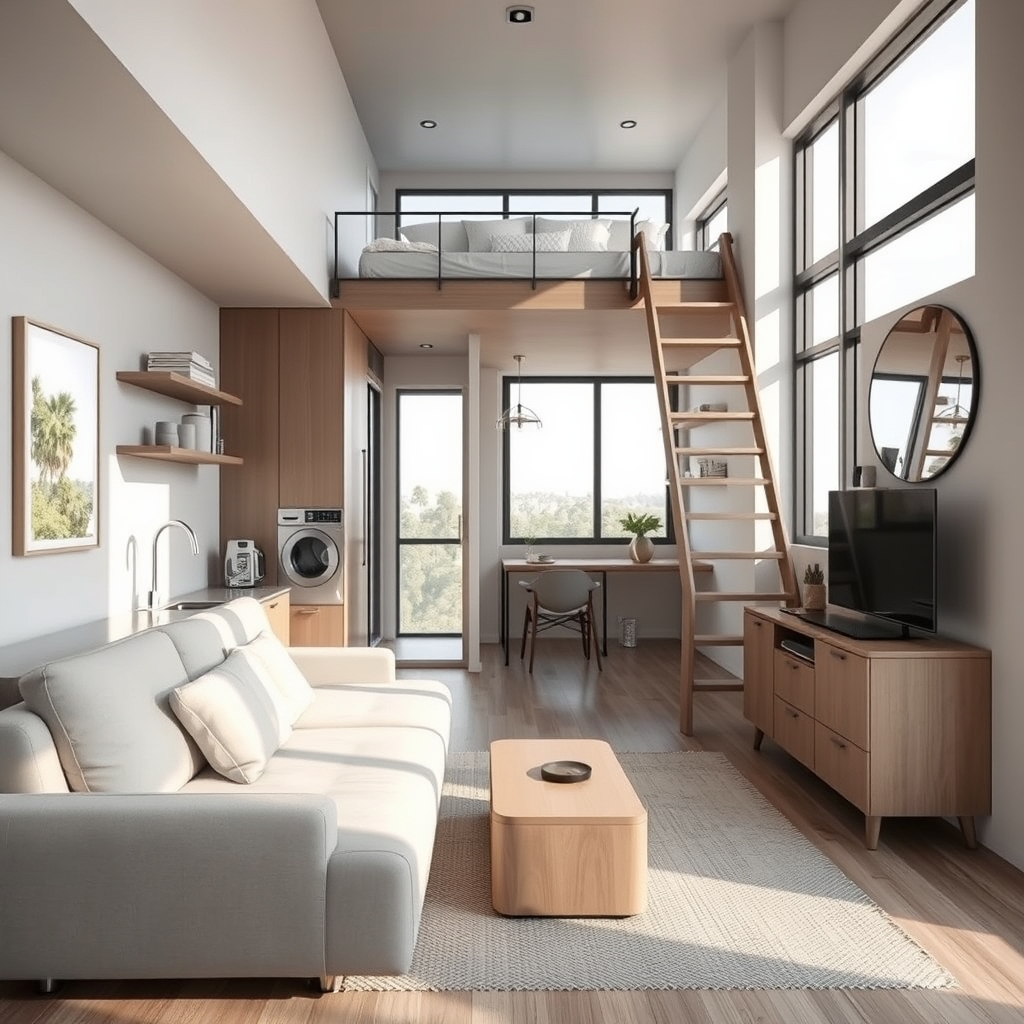
In an era where urban spaces are shrinking and the cost of living continues to rise, the concept of micro-living has emerged as a transformative approach to modern home design. These ultra-compact homes, often no larger than 400 square feet, challenge traditional notions of space, proving that less can indeed be more. The key lies not in the size of the home, but in the thoughtful design and strategic use of every inch, creating environments that are both functional and inspiring.
The Philosophy Behind Micro-Living
Micro-living is more than just a trend; it’s a lifestyle choice that prioritizes simplicity, efficiency, and sustainability. At its core, it’s about stripping away the excess and focusing on what truly matters—comfort, functionality, and personal expression. This philosophy aligns perfectly with the growing movement toward minimalist living, where the goal is to create spaces that are free from clutter yet rich in purpose. By embracing micro-living, homeowners can reduce their environmental footprint, lower their living costs, and cultivate a sense of freedom that comes with owning less.
Designing for Functionality and Flow
The success of a micro-home hinges on its ability to maximize functionality without sacrificing aesthetics. This requires a deep understanding of spatial dynamics and a willingness to rethink conventional layouts. Open-concept designs are a staple in micro-living, as they create the illusion of spaciousness while allowing for flexible use of space. Multi-functional furniture, such as Murphy beds, fold-out desks, and modular sofas, plays a crucial role in ensuring that every piece serves multiple purposes. For example, a dining table might double as a workspace during the day and transform into a gathering spot for dinner in the evening.
Storage is another critical consideration. In micro-homes, every nook and cranny must be utilized to its fullest potential. Built-in shelving, under-stair storage, and hidden compartments are just a few of the clever solutions that designers employ to keep spaces organized and clutter-free. Vertical space is often overlooked in traditional homes, but in micro-living, it becomes a valuable asset. Wall-mounted shelves, hanging planters, and ceiling racks can free up floor space while adding visual interest to the room.
Incorporating Smart Technology
Smart home technology has become an indispensable tool in the design of micro-homes. With limited square footage, every inch must be optimized for efficiency, and technology offers innovative ways to achieve this. Automated lighting systems, for instance, can be programmed to adjust based on the time of day, creating the perfect ambiance while conserving energy. Smart thermostats learn the homeowner’s preferences and adjust the temperature accordingly, ensuring comfort without waste.
Voice-activated assistants, such as Amazon Alexa or Google Home, can control everything from lighting to entertainment systems, reducing the need for physical switches and remotes. This not only saves space but also streamlines daily routines. Additionally, compact, multi-functional appliances, like combination washer-dryers and induction cooktops, are designed to fit seamlessly into small kitchens without compromising on performance. These technologies not only enhance the functionality of micro-homes but also contribute to a more sustainable and energy-efficient lifestyle.
The Role of Aesthetics in Micro-Living
While functionality is paramount in micro-living, aesthetics should not be overlooked. A well-designed micro-home should feel inviting, cohesive, and reflective of the homeowner’s personality. Light colors, such as whites, creams, and soft grays, are often used to create a sense of openness and airiness. Mirrors are another powerful tool in small-space design, as they reflect light and create the illusion of depth. Strategic placement of mirrors can make a room feel twice its actual size.
Textures and materials also play a significant role in adding warmth and character to micro-homes. Natural materials, such as wood, stone, and linen, bring a touch of organic beauty to the space, while metallic accents can add a modern, industrial edge. Layered lighting, including task lighting, ambient lighting, and accent lighting, can enhance the mood and functionality of the space. By carefully selecting furnishings and decor that align with the homeowner’s style, a micro-home can feel just as luxurious and personalized as a sprawling mansion.
Sustainability at the Heart of Micro-Living
One of the most compelling aspects of micro-living is its inherent sustainability. Smaller homes require fewer resources to build and maintain, resulting in a significantly lower environmental impact. Many micro-homes are constructed using eco-friendly materials, such as reclaimed wood, recycled steel, and low-VOC paints, further reducing their carbon footprint. Additionally, the reduced energy consumption of micro-homes aligns with the growing demand for energy-efficient living solutions.
Beyond the environmental benefits, micro-living encourages a more mindful and intentional way of life. By living in a smaller space, homeowners are forced to evaluate their possessions and prioritize what truly adds value to their lives. This shift in mindset often leads to a reduction in waste, as people become more conscious of their consumption habits. Micro-living also fosters a deeper connection to the community, as smaller homes often encourage more time spent outdoors and in shared spaces.
Overcoming the Challenges of Micro-Living
While micro-living offers numerous benefits, it’s not without its challenges. One of the most common concerns is the perceived lack of privacy, particularly in homes where multiple people share a small space. However, clever design solutions, such as sliding doors, room dividers, and lofted sleeping areas, can create distinct zones within the home, ensuring that each resident has their own private retreat. Another challenge is the limited storage space, which requires homeowners to adopt a more minimalist approach to their belongings. This can be a difficult transition for those accustomed to larger homes, but it often leads to a more organized and stress-free living environment.
For those considering the shift to micro-living, it’s essential to approach the process with an open mind and a willingness to adapt. Working with a designer who specializes in small-space solutions can make the transition smoother, as they can provide expert guidance on layout, storage, and decor. It’s also helpful to visit model micro-homes or attend workshops to gain a better understanding of what to expect and how to make the most of the space.
Micro-living is not just a passing trend; it’s a movement that reflects the evolving priorities of modern society. As urbanization continues to rise and the demand for sustainable living grows, micro-homes offer a practical and stylish solution for those seeking a simpler, more intentional way of life. By embracing innovative design, smart technology, and a minimalist mindset, homeowners can create ultra-compact spaces that are not only functional but also deeply fulfilling. The future of home design lies in the ability to do more with less, and micro-living is leading the way in this silent revolution.



