The Subtle Luxury of Minimalist Living: Crafting Serene and Functional Modern Homes
In an era where excess often dominates, minimalist living emerges as a breath of fresh air—a design philosophy that champions simplicity, functionality, and intentionality. Far from being a mere aesthetic choice, minimalism in modern home design is about creating spaces that nurture tranquility, efficiency, and a deeper connection to what truly matters. It’s not about stripping away personality but rather curating an environment where every element serves a purpose, both practically and emotionally.
The Philosophy Behind Minimalist Living
Minimalism is rooted in the idea that less can indeed be more. It draws inspiration from various cultural movements, including Japanese Zen design and Scandinavian functionality, where the focus is on clean lines, uncluttered spaces, and a harmonious balance between form and function. At its core, minimalist living is about eliminating the unnecessary to make room for what adds value to your life. This could mean decluttering physical possessions, simplifying daily routines, or even rethinking how spaces are utilized to enhance well-being.
The psychological benefits of minimalism are well-documented. Studies suggest that cluttered environments can contribute to stress, anxiety, and even decision fatigue. By contrast, minimalist spaces promote clarity, focus, and a sense of calm. They allow the mind to rest, fostering creativity and productivity. In a world that often feels overwhelming, minimalist homes serve as sanctuaries—places where one can retreat, recharge, and reconnect with oneself.
Design Principles for Minimalist Modern Homes
Creating a minimalist home doesn’t mean sacrificing style or comfort. Instead, it’s about making thoughtful choices that align with the principles of simplicity and functionality. Here are some key design strategies to consider:
1. Embrace Neutral Color Palettes
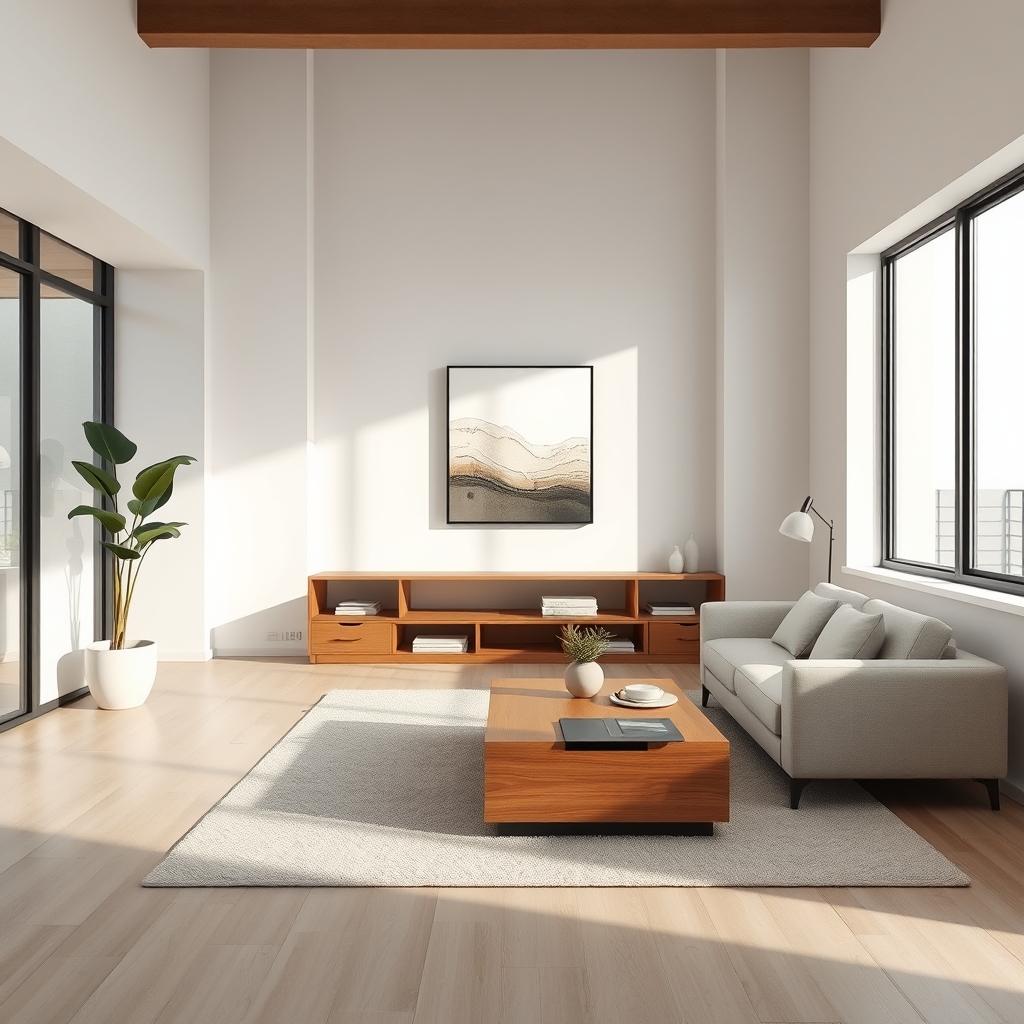
Neutral colors—such as whites, beiges, grays, and soft earth tones—form the foundation of minimalist design. These hues create a sense of openness and tranquility, making spaces feel larger and more inviting. While neutrals dominate, subtle pops of color can be introduced through artwork, textiles, or natural elements like plants. The key is to maintain a cohesive palette that doesn’t overwhelm the senses.
2. Prioritize Quality Over Quantity
In minimalist design, every piece of furniture or decor should be intentional. Invest in high-quality, timeless pieces that serve multiple functions and stand the test of time. For example, a sleek, modular sofa can double as a guest bed, or a dining table with built-in storage can reduce the need for additional furniture. The goal is to create a space where each item is both beautiful and purposeful, eliminating the need for excess.
3. Maximize Natural Light
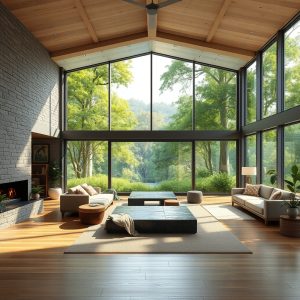
Natural light is a cornerstone of minimalist design. It enhances the sense of space, highlights architectural details, and creates a warm, inviting atmosphere. Large windows, skylights, and glass doors are excellent ways to flood a home with sunlight. To maintain privacy without sacrificing light, consider using sheer curtains or frosted glass. The interplay of light and shadow can also add depth and texture to minimalist spaces, making them feel dynamic and alive.
4. Incorporate Smart Storage Solutions
Clutter is the antithesis of minimalism, but even the most organized homes need storage. The trick is to integrate storage solutions seamlessly into the design. Built-in cabinets, under-stair storage, and multi-functional furniture are all great ways to keep belongings out of sight without compromising on style. Open shelving can also be used sparingly to display a few carefully curated items, adding personality to the space without creating visual noise.
5. Focus on Texture and Materiality
While minimalist design often relies on a neutral color palette, texture plays a crucial role in adding warmth and interest. Natural materials like wood, stone, linen, and wool can introduce tactile contrasts that make a space feel inviting. For example, a wooden coffee table paired with a plush wool rug can soften the clean lines of a minimalist living room, creating a cozy yet sophisticated atmosphere. The key is to use texture thoughtfully, ensuring it complements rather than competes with the overall design.
Minimalism Meets Modern Technology
Minimalist living doesn’t mean rejecting modern conveniences. In fact, smart home technology can enhance the functionality and efficiency of minimalist spaces. For instance, motorized window treatments can be programmed to adjust with the sun’s movement, optimizing natural light while maintaining privacy. Smart thermostats and lighting systems can reduce energy consumption, aligning with the minimalist ethos of sustainability. Even voice-controlled assistants can streamline daily tasks, allowing homeowners to focus on what truly matters.
The integration of technology should be seamless and unobtrusive. Hidden speakers, wireless charging stations, and concealed wiring can maintain the clean lines of a minimalist space while providing the benefits of modern innovation. The goal is to create a home that feels both timeless and cutting-edge, where technology serves rather than dominates.
Sustainability in Minimalist Design
Minimalism and sustainability go hand in hand. By focusing on quality over quantity, minimalist design inherently reduces waste and encourages mindful consumption. Sustainable materials—such as reclaimed wood, bamboo, and recycled metals—can be incorporated into the design to minimize environmental impact. Additionally, energy-efficient appliances, solar panels, and water-saving fixtures can further enhance the eco-friendliness of a minimalist home.
Beyond materials and technology, minimalist living encourages a shift in mindset. It prompts homeowners to question their consumption habits, opting for durability and longevity over disposable trends. This approach not only benefits the planet but also fosters a deeper appreciation for the items we choose to bring into our homes.
Outdoor Minimalism: Extending the Philosophy Beyond the Walls
Minimalist design isn’t confined to the interior of a home. Outdoor spaces can also benefit from this philosophy, creating a seamless transition between indoors and out. Simple landscaping, such as native plants, gravel pathways, and clean-lined furniture, can extend the minimalist aesthetic to the garden or patio. Outdoor living areas can be designed as functional extensions of the home, with features like fire pits, built-in seating, and weather-resistant storage to keep the space uncluttered and inviting.
The beauty of minimalist living lies in its adaptability. Whether you’re designing a compact urban apartment or a sprawling suburban home, the principles of simplicity, functionality, and intentionality can be tailored to suit any space. It’s not about adhering to rigid rules but rather creating an environment that reflects your values and enhances your quality of life. In a world that often feels chaotic, minimalist homes offer a sanctuary—a place where every detail is thoughtfully considered, and every moment is an opportunity to breathe, reflect, and simply be.